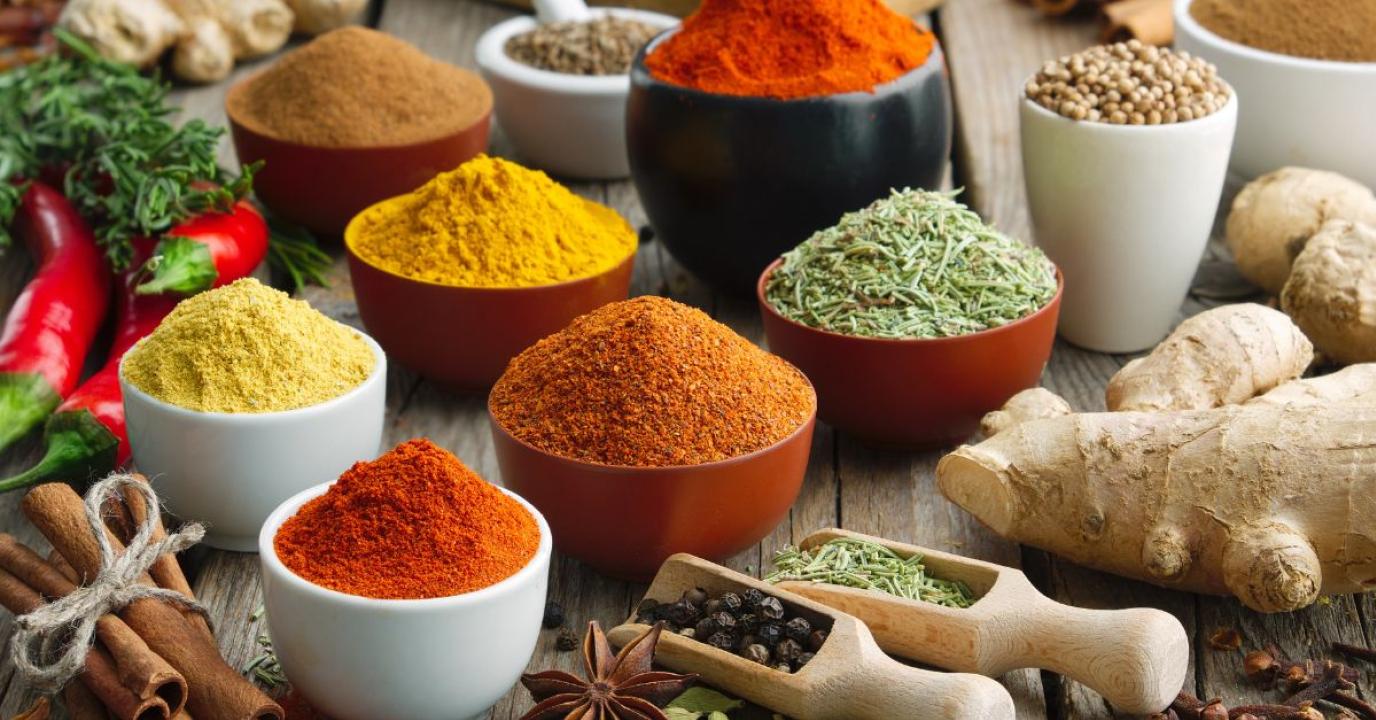
According to the latest research report published by IMARC Group, India continues to hold its position as the world's largest producer, consumer, and exporter of spices — and the numbers reinforce that stature convincingly. The India spices market size was valued at INR 2,21,832 Crores in 2025 and is projected to reach INR 5,28,985.71 Crores by 2034, growing at a compound annual growth rate (CAGR) of 10.14% from 2026 to 2034. This trajectory underscores the sector's resilience and sustained demand across domestic and international channels.
What Is Driving Market Expansion?
As highlighted in the IMARC Group report, the growth of the spices market size in India is underpinned by a convergence of cultural, economic, and structural factors. The market is driven by deeply rooted culinary traditions, rising consumer preference for authentic flavors, increasing demand from the food processing industry, and growing awareness of the health benefits associated with traditional spices. Beyond household consumption, rising disposable incomes and urbanization are boosting demand for convenient, packaged spice products across diverse consumer segments.
The food service sector has emerged as a significant demand driver. The rapid expansion of restaurants, quick-service outlets, and cloud kitchens is generating steady institutional procurement of quality spice ingredients. At the same time, expanding organized retail channels and premiumization trends are further propelling market growth.
Segmentation Snapshot
A closer look at the market's internal structure — based on IMARC Group data — reveals clear patterns across product type, application, form, and geography.
Product Type: When it comes to product categories, pure spices continue to command the lion's share of the market, accounting for 63% in 2025. This dominance is not coincidental — individual spices such as turmeric, chilli, cumin, coriander, and pepper are deeply embedded in everyday Indian cooking, making them non-negotiable staples in both urban and rural households. The segment's strength also draws from institutional buyers like restaurants, hotels, and food processors that procure these spices in bulk for standardized recipe preparations.
Application: Among the various end-use applications, veg curries emerge as the leading category, holding a 29% share of the market in 2025. This reflects India's food culture, where a large vegetarian population relies extensively on spice-heavy formulations to build the flavor base of everyday meals. Regional diversity further amplifies this demand, as each cuisine — from North Indian gravies to South Indian sambhars — calls for distinct spice profiles that drive consistent market consumption.
Form: On the packaging and format front, spices sold in packets account for the largest segment at 67% of the total market in 2025. The preference for packeted products stems from practical considerations — consumers value the hygiene assurance, portion control, and longer shelf life that sealed packaging provides. The wide availability of packet formats across modern retail chains, kirana stores, and e-commerce platforms has further cemented this segment's lead across diverse buyer groups.
Region: Geographically, North India holds the dominant regional position with a 30% market share in 2025. The region's deeply spice-intensive culinary traditions, combined with its high population density and strong per capita spice consumption, naturally position it as the largest contributor to national market volumes. Additionally, the presence of well-organized commercial procurement infrastructure across states like Uttar Pradesh, Punjab, and Rajasthan supports efficient supply and distribution at scale.
Key Market Trends Reshaping the Sector
Three major trends are shaping the near-term trajectory of the spices market size in India. First, there is a pronounced shift toward organic and clean-label products. Consumer awareness regarding pesticide residues and chemical contamination is driving a significant shift toward organic and clean-label spice products. This is particularly visible among urban and younger consumer segments who demand sourcing transparency.
Second, convenience formats are gaining traction. The convenience-driven life>
Third, digital commerce is transforming how spices reach consumers. E-commerce platforms are fundamentally reshaping how consumers discover and purchase spice products across India, with online marketplaces offering extensive product assortments, competitive pricing, and doorstep delivery convenience that traditional retail cannot easily replicate.
If you are evaluating sourcing strategies, investment potential, or procurement benchmarks in this sector, it would be useful to Request a Business Sample Report for Procurement & Investment Evaluation to access granular data on pricing trends, supplier landscapes, and volume forecasts.
Competitive Landscape
Based on IMARC Group data, the India spices market exhibits a highly fragmented competitive landscape, with established national brands actively competing alongside numerous regional and local manufacturers across diverse price segments, product categories, and distribution channels. Key players operating in the market include:
- Aachi Masala Foods (P) Ltd
- Aashirvaad Spices (ITC Limited)
- Badshah Masala
- Catch Foods (DS Group)
- Everest Food Products Private Limited
- Goldiee Group
- Mahashian Di Hatti Private Limited
- Orkla India Pvt Ltd.
- Patanjali Ayurved Limited
Outlook Through 2034
IMARC Group's forecast data indicates that the market is anticipated to generate substantial revenue growth throughout the forecast period, supported by sustained domestic consumption and expanding export opportunities. The premiumization trend will continue creating revenue opportunities in organic and specialty segments, while technological advancements in processing and packaging are projected to enhance product quality and shelf life.
For businesses or analysts requiring sector-specific data cuts — such as region-wise demand breakdowns, application-level revenue projections, or competitor benchmarking — you can Ask an Analyst for Report Customization to align the research scope with your specific strategic or operational needs.
Frequently Asked Questions (FAQs)
1. What is the current spices market size in India?
According to IMARC Group, as of 2025, the India spices market is valued at INR 2,21,832 Crores and is forecast to reach INR 5,28,985.71 Crores by 2034, growing at a CAGR of 10.14%.
2. Which product segment holds the largest share in the India spices market?
Pure spices hold the dominant share at 63% in 2025, reflecting consistent household and institutional demand for individual spice varieties like turmeric, chilli, cumin, and coriander.
3. Which region contributes the most to spice consumption in India?
North India leads regional consumption with a 30% market share in 2025, supported by its spice-intensive cooking traditions and robust commercial procurement networks.
4. What are the key trends influencing the India spices market?
As per IMARC Group data, the market is being shaped by the rising preference for organic and clean-label products, growing demand for ready-to-cook spice blends, and the rapid expansion of digital and quick-commerce retail channels.
5. Who are the major companies operating in India's spices market?
Leading players include Aachi Masala Foods (P) Ltd, Aashirvaad Spices (ITC Limited), Badshah Masala, Catch Foods (DS Group), Everest Food Products Private Limited, Goldiee Group, Mahashian Di Hatti Private Limited, Orkla India Pvt Ltd., and Patanjali Ayurved Limited, among several regional manufacturers.