The hybrid electric vehicle market is experiencing rapid growth, driven by stringent global emission standards and regulatory pressure, consumer demand for cost-efficient and practical mobility, and strategic OEM portfolio shifts and manufacturing localization. According to IMARC Group's latest research publication, "Hybrid Electric Vehicle Market Size, Share, Trends and Forecast by Propulsion Type, Configuration Type, Vehicle Type, Power Source, and Region, 2026-2034", the global hybrid electric vehicle market size reached 16.3 Million Units in 2025. Looking forward, IMARC Group estimates the market to reach 125.8 Million Units by 2034, exhibiting a CAGR of 24.76% from 2026-2034.
This detailed analysis primarily encompasses industry size, business trends, market share, key growth factors, and regional forecasts. The report offers a comprehensive overview and integrates research findings, market assessments, and data from different sources. It also includes pivotal market dynamics like drivers and challenges, while also highlighting growth opportunities, financial insights, technological improvements, emerging trends, and innovations. Besides this, the report provides regional market evaluation, along with a competitive landscape analysis.
Download a sample PDF of this report: https://www.imarcgroup.com/hybrid-electric-vehicle-market/requestsample
Our report includes:
- Market Dynamics
- Market Trends and Market Outlook
- Competitive Analysis
- Industry Segmentation
- Strategic Recommendations
Growth Factors in the Hybrid Electric Vehicle Market
- Stringent Global Emission Standards and Regulatory Pressure
Governments worldwide are intensifying their focus on decarbonization, implementing strict fuel economy standards that necessitate the integration of electrified powertrains. In the United States, the Environmental Protection Agency has set rigorous standards requiring a substantial reduction in fleet-wide greenhouse gas emissions, forcing automakers to pivot toward hybrid technology. Similarly, the European Union's updated CO2 performance standards for new passenger cars make it increasingly difficult for pure internal combustion engines to remain compliant without some form of electrification. To avoid heavy fines, companies like Volkswagen and Stellantis are aggressively expanding their hybrid portfolios. These regulations act as a non-negotiable catalyst, ensuring that hybrid technology becomes a standard feature across most vehicle segments. By 2026, the reliance on hybrid systems to meet these legal benchmarks has turned what was once a niche option into a core manufacturing requirement for the global automotive industry.
- Consumer Demand for Cost-Efficient and Practical Mobility
In 2026, consumer behavior is heavily influenced by the balance between environmental consciousness and economic practicality. Hybrid electric vehicles offer a compelling total cost of ownership (TCO) compared to both traditional and fully electric cars. While battery electric vehicles (BEVs) still carry a price premium of 15% to 20% in certain markets, hybrids have narrowed that gap to approximately 5% to 10%, making them more accessible to the average buyer. High fuel price volatility in 2026 further drives this demand, as consumers seek the 20% to 35% improvement in fuel efficiency that typical hybrid systems provide. This practicality is particularly evident in emerging economies like India and Brazil, where the existing charging infrastructure is not yet robust enough to support mass BEV adoption. Consequently, the hybrid remains the preferred choice for long-distance reliability and immediate fuel savings without the "range anxiety" often associated with pure electrics.
- Strategic OEM Portfolio Shifts and Manufacturing Localization
Major automotive original equipment manufacturers (OEMs) are fundamentally redesigning their production lines to favor hybrid-first or hybrid-only lineups. Toyota, a long-time leader in this space, has transitioned several of its most popular models, such as the Camry and Corolla, to exclusively hybrid drivetrains in key markets. This shift is supported by massive investments in local battery and component manufacturing to reduce supply chain risks and take advantage of regional incentives. For instance, the expansion of North American production facilities ensures that more than 55% of vehicles sold in the region are manufactured locally, including the complex power split devices and electric motors required for HEVs. By standardizing hybrid systems across multiple vehicle platforms, manufacturers are achieving economies of scale that lower production costs. This strategic realignment ensures a steady supply of electrified vehicles that meet local market demands while strengthening the manufacturer's overall competitive position.
Key Trends in the Hybrid Electric Vehicle Market
- Integration of Ultra-Fast Charging and High-Density Hybrid Batteries
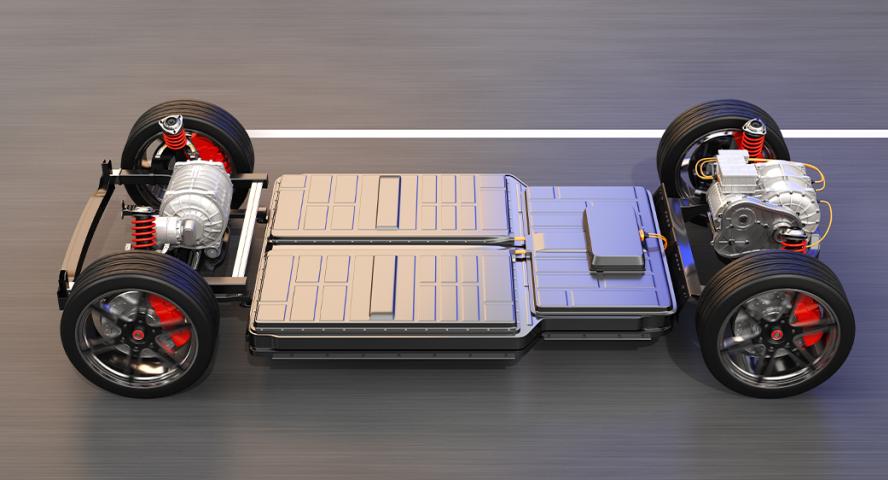
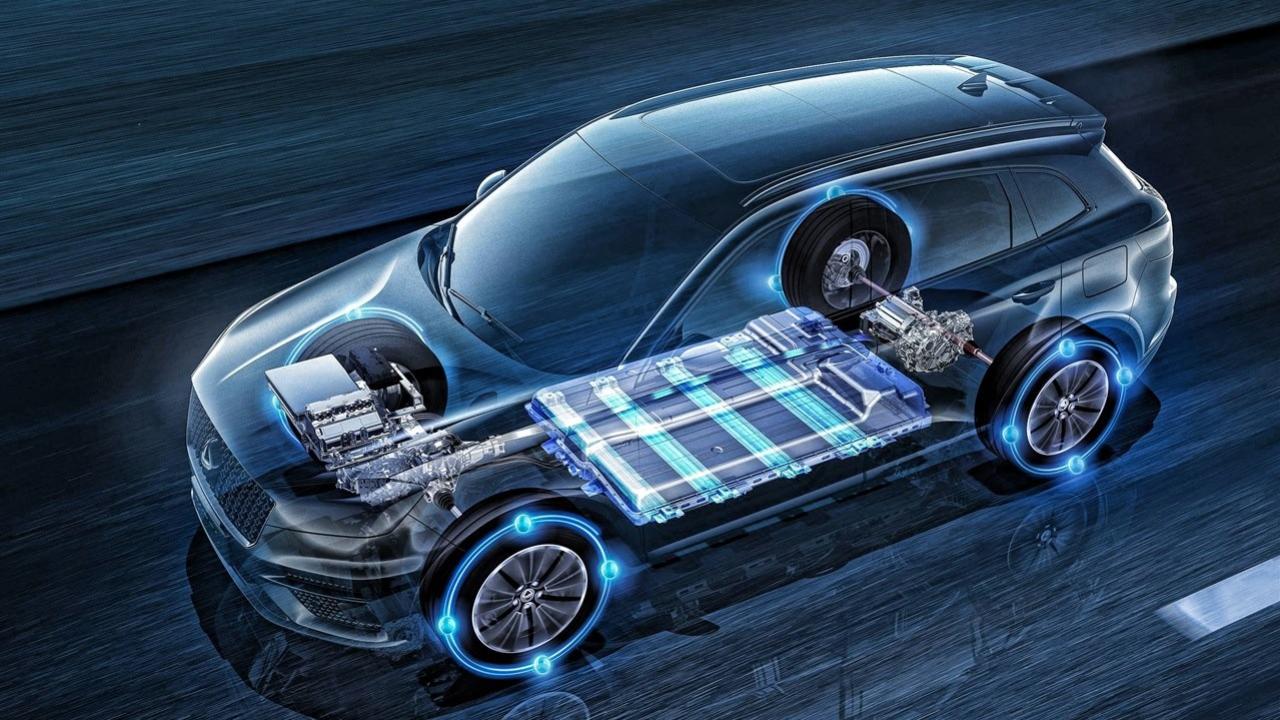
A defining trend in 2026 is the advancement of hybrid-specific battery chemistry, which now supports 4C ultra-fast charging capabilities previously reserved for high-end electric cars. Manufacturers like CATL have introduced dedicated hybrid battery systems, such as the Freevoy, which allow plug-in hybrids to regain significant range in under 10 minutes. These next-generation batteries utilize a dual-ion design—combining lithium-ion and sodium-ion technologies—to improve performance in extreme temperatures and extend the vehicle's pure-electric range to over 280 kilometers. This technological leap effectively blurs the line between hybrids and full EVs, offering drivers a "best of both worlds" experience. Real-world applications of these high-density packs are now appearing in mid-size SUVs, allowing them to handle daily commutes entirely on electricity while maintaining the gasoline engine for longer journeys, fundamentally changing how consumers perceive the utility and performance of a modern hybrid vehicle.
- Standardisation of Mild Hybrid Systems Across Entry-Level Segments
The automotive industry is witnessing the rapid standardisation of 48V mild hybrid (MHEV) technology as the "new normal" for entry-level and compact vehicles. This trend is driven by the need for a cost-effective way to reduce emissions without the complexity of a full hybrid setup. In 2026, almost all new internal combustion models from brands like Maruti Suzuki, Honda, and Kia feature integrated starter-generators that provide torque assist and smoother start-stop functionality. These systems typically deliver a 10% to 15% improvement in efficiency for a fraction of the cost of a full hybrid system. In markets like India and Southeast Asia, this has led to the launch of numerous "budget-friendly" hybrids, such as the upcoming Mahindra XUV 3XO Hybrid and the Honda Elevate Hybrid. This mass-market adoption ensures that even the most affordable vehicle segments contribute to global carbon reduction goals, making electrification accessible to a much broader demographic.
- Evolution of Intelligent On-Board Energy Management and AI
Artificial intelligence is now being integrated into hybrid drivetrains to optimize energy flow between the engine and the electric motor in real-time. Modern hybrids in 2026 use predictive energy management systems that analyze navigation data, traffic patterns, and even weather conditions to decide when to use electric power or engage the internal combustion engine. For example, if the vehicle’s GPS identifies an upcoming uphill climb or a low-emission zone in a city center, the AI proactively manages the battery’s state of charge to ensure maximum efficiency. This "smart" operation can improve real-world fuel economy by an additional 5% compared to older, non-connected hybrid systems. Companies like Hyundai and BMW are deploying these software-defined vehicle features across their hybrid fleets, turning the car into an intelligent energy-saving tool that learns from the driver’s habits and the surrounding environment to minimize its environmental footprint.
Leading Companies Operating in the Hybrid Electric Vehicle Industry:
- Toyota Motor Corporation
- Honda Motor Co. Ltd.
- Ford Motor Company
- Volkswagen Aktiengesellschaft
- General Motors Company
- Hyundai Motor Company
- Nissan Motor Corporation Ltd.
Hybrid Electric Vehicle Market Report Segmentation:
By Propulsion Type:
- Full Hybrids
- Mild Hybrids
- Plug-in Hybrids
- Others
Plug-in Hybrids lead the market with 29.7% share in 2024, offering longer electric-only ranges and appealing to eco-conscious consumers due to environmental concerns and government incentives.
By Configuration Type:
- Series HEV
- Parallel HEV
- Combination HEV
Parallel HEVs dominate the market in 2024 due to their efficient design that optimizes fuel efficiency and power output, making them attractive for both consumers and manufacturers.
By Vehicle Type:
- Passenger Cars
- Commercial Vehicles
- Two-Wheelers
- Others
Passenger Cars represent 85.7% of the market in 2024, driven by consumer demand for fuel-efficient and environmentally-friendly options, supported by advancements in battery technology and government incentives.
By Power Source:
- Stored Electricity
- On Board Electric Generator
Stored Electricity holds a 70.0% market share, enhancing fuel efficiency and reducing emissions by efficiently utilizing battery power replenished through regenerative braking and the internal combustion engine.
Regional Insights:
- North America (United States, Canada)
- Asia Pacific (China, Japan, India, South Korea, Australia, Indonesia, Others)
- Europe (Germany, France, United Kingdom, Italy, Spain, Russia, Others)
- Latin America (Brazil, Mexico, Others)
- Middle East and Africa
North America captures over 40.9% market share in 2024, fueled by strong consumer demand, government incentives, and a robust charging infrastructure, with the U.S. leading in PHEV and HEV production.
Note: If you require specific details, data, or insights that are not currently included in the scope of this report, we are happy to accommodate your request. As part of our customization service, we will gather and provide the additional information you need, tailored to your specific requirements. Please let us know your exact needs, and we will ensure the report is updated accordingly to meet your expectations.
About Us:
IMARC Group is a global management consulting firm that helps the world’s most ambitious changemakers to create a lasting impact. The company provide a comprehensive suite of market entry and expansion services. IMARC offerings include thorough market assessment, feasibility studies, company incorporation assistance, factory setup support, regulatory approvals and licensing navigation, branding, marketing and sales strategies, competitive landscape and benchmarking analyses, pricing and cost research, and procurement research.
Contact Us:
IMARC Group
134 N 4th St. Brooklyn, NY 11249, USA
Email: sales@imarcgroup.com
Tel No:(D) +91 120 433 0800
United States: +1-201971-6302