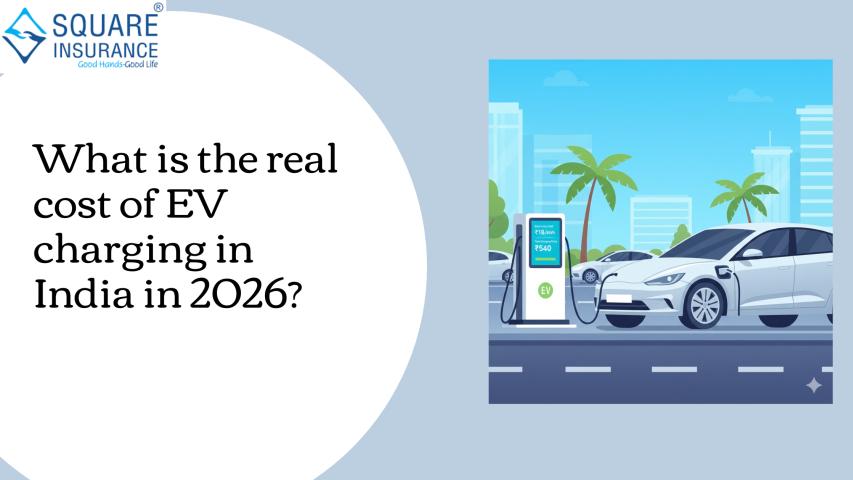
Electric vehicles (EVs) are no longer a futuristic concept in India—they are rapidly becoming a practical choice for daily commuters and environmentally conscious drivers. With rising fuel prices and strong government support for clean mobility, more Indians are switching to electric cars. However, one of the most common questions potential buyers ask is: Cost of Charging an Electric Car in India
Understanding charging costs is crucial before making the transition. In
this detailed guide, we break down home charging costs, public charging
tariffs, state-wise variations, cost per kilometer, and how EV charging
compares to petrol and diesel expenses.
Why Understanding EV Charging Cost Matters
Unlike petrol or diesel vehicles where fuel prices are displayed at every
pump, EV charging costs vary depending on multiple factors:
·
Electricity tariff in your state
·
Type of charger used (slow, fast, or DC fast
charging)
·
Time of charging
·
Vehicle battery capacity
·
Home vs public charging
Knowing these variables helps you calculate your monthly running cost and
long-term savings.
Types of EV Charging in India
Before discussing costs, it's important to understand the types of EV
charging available in India.
1. Home Charging (AC Charging)
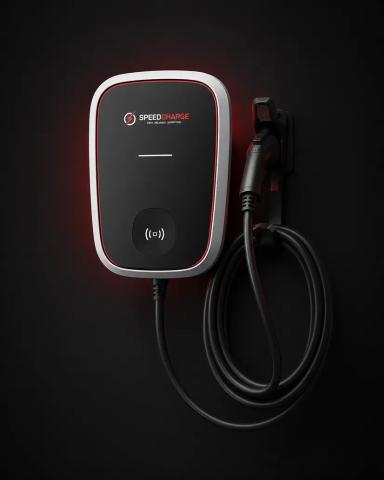
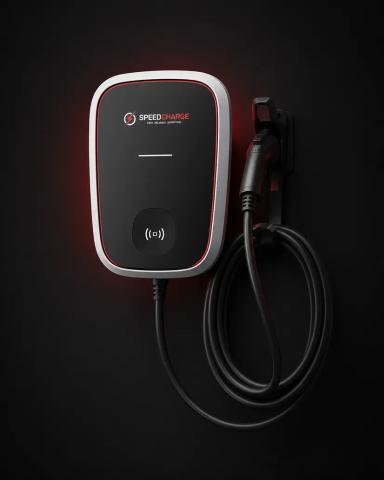
This is the most common and affordable method. EV owners typically install a
home wall charger connected to their residential electricity supply. Charging
usually happens overnight.
2. Public AC Charging
Available in malls, office complexes, and parking lots. It is slightly more
expensive than home charging due to service charges.
3. DC Fast Charging
Found along highways and urban charging hubs. This method charges vehicles
quickly but at a higher per-unit electricity cost.
Average Electricity Tariff in India (2026)
Electricity prices vary across states, but residential tariffs generally
range between ₹5 to ₹9 per kWh. Commercial tariffs for public charging stations
are usually higher, ranging between ₹8 to ₹18 per kWh depending on the city and
infrastructure provider.
For calculation purposes, we will assume:
·
Home charging cost: ₹7 per kWh (average)
·
Public fast charging cost: ₹14 per kWh (average)
Cost of Charging an EV at Home
Let’s consider a typical electric car in India with a 40 kWh battery pack.
If electricity costs ₹7 per kWh:
40 kWh × ₹7 = ₹280 for a full charge
Now, if the car offers a range of 400 km per full charge:
₹280 ÷ 400 km = ₹0.70 per km
That means driving an EV costs approximately 70 paise per kilometer when
charged at home.
For comparison:
·
Petrol car (₹100 per litre, 15 km mileage) =
₹6.6 per km
·
Diesel car (₹90 per litre, 20 km mileage) = ₹4.5
per km
This shows EVs are significantly more economical in terms of running cost.
Cost of Charging at Public Stations
Using the same 40 kWh battery:
40 kWh × ₹14 = ₹560 for a full charge
₹560 ÷ 400 km = ₹1.40 per km
Even with public fast charging, EVs remain cheaper than petrol or diesel
vehicles.
However, frequent reliance on fast charging may increase monthly expenses
compared to home charging.
Monthly Charging Cost Estimate
Let’s assume an average driver travels 1,200 km per month.
Home charging cost:
1,200 km × ₹0.70 = ₹840 per month
Public charging cost:
1,200 km × ₹1.40 = ₹1,680 per month
Even at the higher end, the monthly charging cost remains affordable
compared to traditional fuel vehicles, which may cost ₹6,000 to ₹8,000 monthly
for similar usage.
Factors That Affect EV Charging Cost
1. Battery Size
Larger battery packs require more electricity to charge. Premium EVs with
60–80 kWh batteries will cost more per full charge.
2. State Electricity Tariff
Electricity rates differ significantly across states like Maharashtra,
Delhi, Karnataka, and Tamil Nadu.
3. Charging Speed
Fast chargers cost more due to infrastructure investment and demand charges.
4. Time-of-Day Charging
Some states offer lower night-time tariffs, reducing overall charging costs.
5. Charging Efficiency
Energy loss during charging (typically 5–10%) slightly increases actual
consumption.
Are EVs Really Cheaper in the Long Run?
While EVs may have a higher upfront purchase price, their running costs are
significantly lower. Key financial benefits include:
·
Lower per kilometer fuel cost
·
Reduced maintenance expenses (no engine oil,
fewer moving parts)
·
Government subsidies and incentives
·
Lower servicing frequency
Over 5–7 years of ownership, EV owners can save a substantial amount
compared to petrol or diesel car owners.
Hidden Costs to Consider
Though charging costs are low, potential buyers should also factor in:
·
Installation cost of home charging setup
·
Battery replacement cost (long-term
consideration)
·
Insurance premium differences
·
Public charging service fees
Understanding the total cost of ownership helps in making an informed
decision.
EV Charging Cost vs Petrol/Diesel in 2026
Here’s a simplified comparison:
·
EV (home charging): ₹0.70–₹1 per km
·
EV (public charging): ₹1–₹2 per km
·
Petrol car: ₹6–₹8 per km
·
Diesel car: ₹4–₹6 per km
Even at peak electricity tariffs, EV charging remains more economical.
Environmental and Economic Benefits
Lower charging costs are just one advantage. EVs also:
·
Reduce carbon emissions
·
Lower dependency on imported oil
·
Support India’s clean energy goals
·
Promote sustainable urban mobility
With the government expanding charging infrastructure across highways and
cities, access to affordable charging continues to improve.
Is 2026 a Good Time to Buy an EV?
Yes, 2026 offers a strong ecosystem for EV adoption:
·
Expanded public charging networks
·
Improved battery technology
·
Better range and affordability
·
Strong resale market growth
For daily commuters and city drivers, EV charging cost advantages are
undeniable.
Conclusion
The cost of EV charging in India (2026) clearly demonstrates why electric
vehicles are gaining popularity. Whether you charge at home or use public
stations, EVs offer significantly lower running costs compared to petrol or
diesel vehicles. With proper planning and home charging setup, you can reduce
your cost per kilometer to less than ₹1, making EV ownership highly economical
in the long term.
However, while saving on fuel is important, protecting your electric vehicle
is equally crucial. Choosing the right motor insurance ensures coverage for
battery systems, electrical components, and unforeseen damages. Square Insurance provides comprehensive EV insurance solutions tailored to modern
electric cars, offering peace of mind along with financial security.
Switching to electric is not just about sustainability—it’s also about smart
financial planning.
Frequently Asked Questions
1. How much does it cost to fully charge an EV in India?
On average, charging a 40 kWh electric car costs ₹250–₹600 depending on
whether you use home or public charging.
2. Is EV charging cheaper than petrol?
Yes, EV charging typically costs 70 paise to ₹2 per km, whereas petrol
vehicles cost ₹6–₹8 per km.
3. Does fast charging increase electricity cost?
Yes, DC fast charging is generally more expensive than home AC charging.
4. How much is the monthly EV charging cost?
For 1,000–1,200 km per month, charging costs range between ₹800 and ₹1,800.
5. Is home charging better than public charging?
Yes, home charging is more affordable and convenient for daily use.