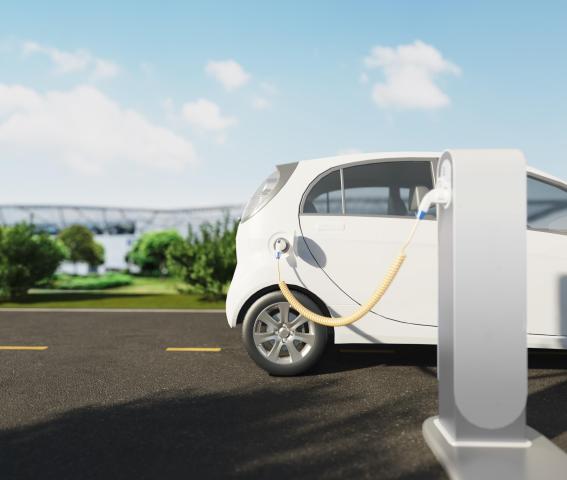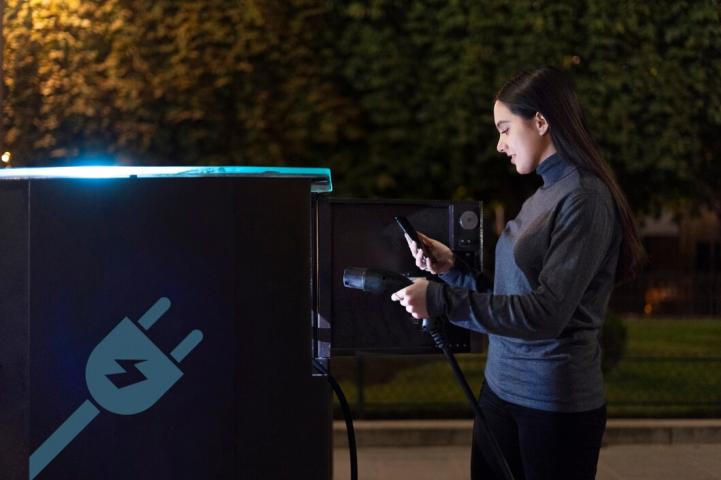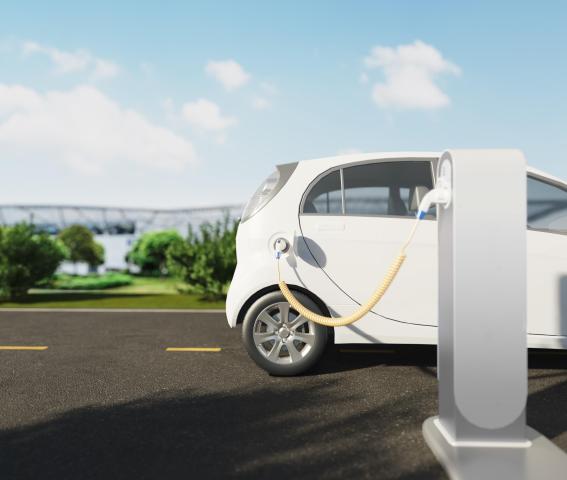
Electric vehicles are no longer a niche technology reserved for early adopters. They are now a central part of how people commute, shop, and do business—especially in innovation-driven regions like San Jose. As EV adoption accelerates, businesses are beginning to recognize that charging infrastructure is not just a sustainability feature, but a competitive advantage.
For commercial property owners, employers, and customer-facing businesses, EV charging represents an opportunity to meet evolving expectations while preparing for the future of transportation.
The Changing Expectations of Customers and Employees
San Jose sits at the heart of Silicon Valley, where sustainability, convenience, and innovation are deeply intertwined. Many customers now actively choose where to shop, dine, or work based on a company’s environmental values and amenities. EV drivers, in particular, plan their routes around available charging access.
Employees are also part of this shift. As more workers transition to electric vehicles, workplace charging becomes a meaningful benefit. It reduces range anxiety, saves commuting time, and signals that an employer is aligned with modern mobility trends.
Providing EV charging helps businesses stay relevant to both groups while enhancing overall satisfaction and loyalty.
EV Charging as a Long-Term Business Investment
Installing EV chargers is often viewed as an upfront cost, but forward-thinking businesses see it as a long-term investment with multiple returns. Charging infrastructure can increase property value, extend tenant retention, and future-proof facilities as gas-powered vehicles decline.
Unlike temporary upgrades, EV chargers become part of the core electrical infrastructure of a site. When planned correctly, they can scale over time as demand increases—avoiding costly retrofits later.
Businesses that act early are often better positioned to manage installation costs and avoid rushed upgrades when EV adoption becomes unavoidable.
Key Factors to Consider Before Installing EV Chargers
Before moving forward with an installation, businesses should evaluate several important considerations to ensure the project aligns with both current and future needs.
Electrical Capacity and Infrastructure
Not all commercial properties are immediately ready for EV charging. Electrical panels, transformers, and service capacity must be assessed to determine how many chargers can be supported safely. In some cases, upgrades may be required to handle additional load without disrupting operations.
Charger Type and Usage
Different businesses require different charging solutions. Office environments may prioritize Level 2 chargers for long dwell times, while retail or hospitality spaces may benefit from faster turnaround options. Understanding how long vehicles will typically be parked helps guide equipment selection.
Parking Layout and Accessibility
Charger placement should be convenient, clearly marked, and compliant with accessibility requirements. Strategic placement improves usage rates and minimizes disruption to existing traffic flow.
Scalability
Even if a business starts with only a few chargers, it’s important to plan for expansion. Conduit placement, panel sizing, and load management systems can be designed upfront to support future growth at a lower cost.
How EV Charging Supports Sustainability Goals
Sustainability initiatives are no longer optional for many organizations. EV charging supports broader environmental goals by encouraging cleaner transportation and reducing overall emissions associated with commuting and travel.
For businesses with ESG targets or corporate responsibility programs, charging infrastructure provides a visible and measurable step toward reducing environmental impact. It also supports branding and public perception without relying on short-term marketing campaigns.
The Importance of Professional Installation
EV charger installation is not a simple plug-and-play project. It requires careful planning, code compliance, permitting, and coordination to ensure safety and reliability. Working with professionals who understand commercial electrical systems helps prevent issues such as overloaded circuits, inspection delays, or inefficient charger placement.
A well-executed installation ensures chargers operate consistently, meet regulatory standards, and deliver a smooth experience for users from day one.
Businesses exploring ev charger installation for businesses San Jose benefit from solutions designed specifically for local commercial environments, helping them deploy charging infrastructure efficiently and responsibly.
Preparing Your Business for What’s Next
Electric vehicles will continue to reshape how people move through cities and interact with businesses. Charging infrastructure is quickly becoming part of the baseline expectation for modern commercial properties—not a luxury feature.
By planning ahead and investing strategically, San Jose businesses can position themselves as leaders in sustainability, innovation, and customer experience. EV charging is not just about powering vehicles—it’s about powering the future of business.