The global transition to electric vehicles is no longer just about the cars. The critical enabler, and often the biggest point of anxiety for potential adopters, is the availability, reliability, and speed of charging. The infrastructure that powers this revolution is undergoing a seismic transformation, evolving from scattered public points and simple home plugs into a sophisticated, connected ecosystem. This network is becoming the new backbone of urban planning, energy management, and consumer convenience, determining the pace at which electric vehicles will truly become the new normal.
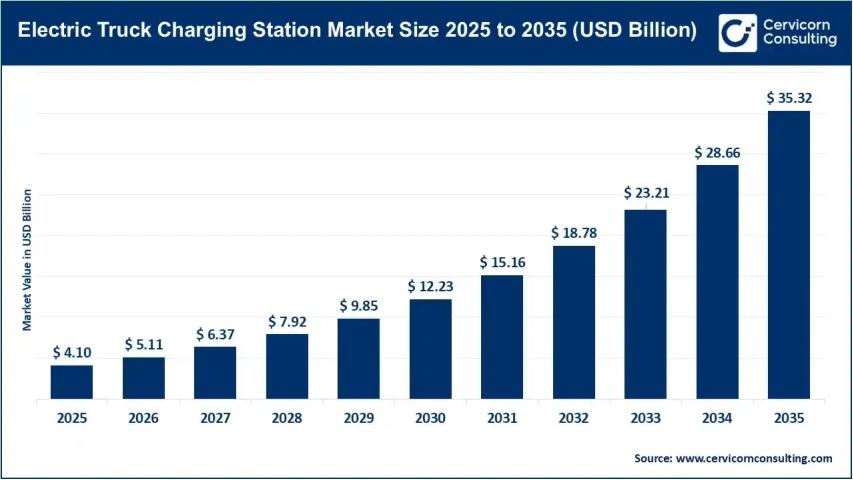
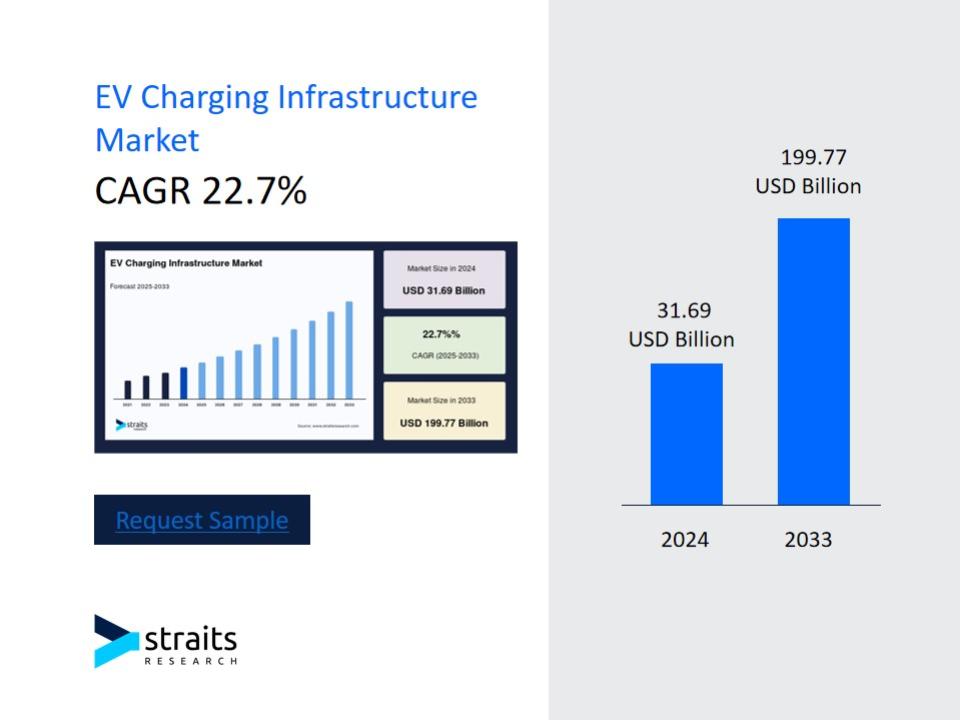
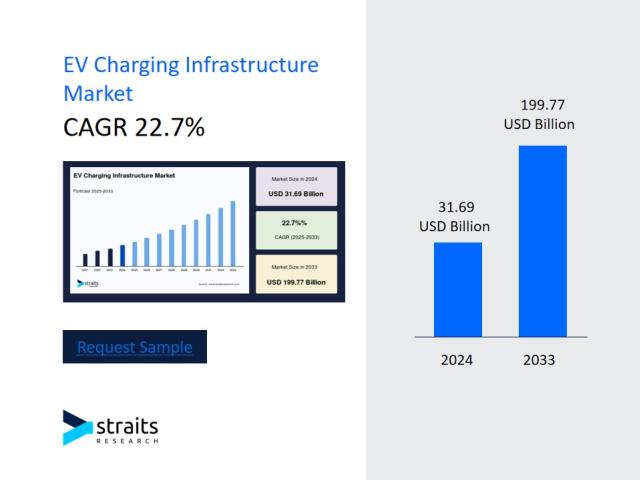
The scale of this build-out is staggering. According to Straits Research, the global EV charging infrastructure was valued at USD 31.69 billion in 2024. It is projected to reach from USD 38.88 billion in 2025 to USD 199.77 billion by 2033, growing at a CAGR of 22.7% during the forecast period (2025-2033). This explosive growth is fueled by a powerful combination of government mandates, soaring consumer demand, and relentless technological advancement, creating a fiercely competitive and dynamic landscape for key players worldwide.
Key Players and Strategic Expansions: A Global Power Play
The race to dominate the charging ecosystem involves a diverse mix of specialized pure-play companies, traditional energy giants, and automotive manufacturers, each with distinct strategies.
-
ChargePoint (United States): A longstanding leader in North America, ChargePoint operates one of the largest and most comprehensive charging networks. Recently, the company has aggressively expanded its European presence, acquiring key software providers to enhance its platform. Their latest focus is on bolstering their DC fast-charging portfolio and refining their subscription and fleet management software, aiming to be the operating system for EV charging.
-
Tesla (United States): From a proprietary advantage to a public utility, Tesla's Supercharger network is widely regarded as the industry gold standard for reliability and speed. Its most significant recent update is the strategic opening of its network to non-Tesla vehicles across North America and Europe. This move, coupled with the adoption of the North American Charging Standard (NACS) connector by nearly every major automaker, positions Tesla not just as a car company, but as the dominant infrastructure player.
-
Shell plc (Netherlands/UK): The traditional energy supermajor is making a colossal pivot. Through its subsidiaries Shell Recharge and the acquisition of leading firms like NewMotion and Greenlots, Shell is embedding charging points at its retail stations globally. A key 2024 announcement was the rollout of its "Shell Recharge Solutions," integrating ultra-fast chargers with lounges and amenities, transforming gas stations into energy hubs.
-
BYD (China): The world's largest seller of EVs is also a massive force in charging. Leveraging its vertical integration, BYD manufactures its own charging hardware and is deploying vast networks across China and key Asian markets. Their recent innovations include vehicle-to-grid (V2G) technology, allowing their cars and chargers to bi-directionally interact with the power grid, a trend poised to define the next decade.
-
ABB E-mobility (Switzerland): A global leader in industrial technology, ABB is a powerhouse in manufacturing high-quality AC and DC chargers. Their recent news highlights a major supply agreement with a leading European convenience store chain to deploy Terra 360 chargers, their flagship product that can charge multiple vehicles simultaneously. Their growth is anchored in partnerships with commercial hosts and fleets.
Emerging Trends Shaping the Network
The industry is moving far beyond simply installing more plugs. Several key trends are defining its future. The push for Ultra-Fast and High-Power Charging is paramount, with new hardware reducing charging times to well under 20 minutes, addressing the critical need for convenience on long journeys. Secondly, the concept of "Charging as a Service" (CaaS) is gaining traction, where companies like Allego or Blink Charging handle the entire deployment, operation, and maintenance for property owners for a share of the revenue, lowering the barrier to entry.
Most importantly, the focus is shifting to software and reliability. The hardware is becoming a commodity; the real value lies in the network software that manages load balancing, integrates with renewable energy sources, provides seamless payment processing via apps, and guarantees uptime. This software layer is crucial for building driver trust.
Recent News and Regional Updates
The sector is buzzing with activity. In the United States, the National Electric Vehicle Infrastructure (NEVI) program is releasing billions in federal funding, triggering a wave of new installations along highway corridors. In response, companies like EVgo and Electrify America are announcing major expansion plans focused on these high-traffic routes.
In Europe, the focus is on ubiquity and regulation. The EU's Alternative Fuels Infrastructure Regulation (AFIR) sets mandatory deployment targets for member states, creating a guaranteed floor for growth. Recent news from Germany and France involves tenders for thousands of new public chargers in urban centers. Meanwhile, in Asia-Pacific, India's government recently announced new guidelines to support the installation of charging stations every 25 kilometers on major highways, spurring investment from local players like Tata Power and international giants alike.
The journey is not without challenges. Concerns about grid capacity, the need for more equitable distribution in rural and urban multi-family dwellings, and the ongoing battle to improve reliability standards remain critical hurdles. However, the collective momentum from private investment and public policy is undeniable.
In summary, the evolution of EV charging is a complex global endeavor moving at high speed. It is a critical ecosystem where hardware innovation, software intelligence, and strategic partnerships are converging to build the refueling network of the future, making electric vehicle adoption a practical reality for millions.