A turnkey contractor is a professional or company responsible for managing and delivering a complete project from start to finish, ensuring that the client receives a fully operational facility ready for immediate use. The term "turnkey" means that once the project is completed, the client only needs to "turn the key" to begin operations. This approach is widely used in construction, industrial development, infrastructure projects, commercial spaces, and manufacturing facilities because it simplifies project execution and reduces the burden on the client.
A turnkey contractor handles every stage of the project lifecycle, beginning with planning and design and continuing through procurement, construction, installation, testing, and final handover. Instead of coordinating multiple vendors, consultants, and subcontractors separately, the client works with one contractor who takes full responsibility for delivering the entire project according to agreed specifications, budget, and timeline. This creates a single point of accountability, making communication easier and reducing delays caused by coordination issues.
One of the main advantages of hiring a turnkey contractor is efficient project management. Since all activities are controlled by one entity, planning becomes more organized and execution remains consistent across all phases. The contractor oversees architects, engineers, suppliers, technicians, and labor teams to ensure that every component fits together correctly. This integrated approach often results in better scheduling, faster completion, and improved cost control compared to traditional contracting methods.
Turnkey contractors are commonly used in industrial projects such as factories, warehouses, production plants, and processing units. In these sectors, clients often require not only the building structure but also machinery installation, electrical systems, plumbing, ventilation, automation, and safety systems. A turnkey contractor ensures that all these technical elements are properly integrated so the facility becomes fully functional from day one. This is especially valuable for businesses that want to begin operations quickly without dealing with multiple technical service providers.
In commercial construction, turnkey contracting is highly beneficial for offices, retail outlets, hotels, hospitals, and educational institutions. Businesses often prefer turnkey solutions because they can focus on their core operations while professionals handle design, approvals, construction, interior finishing, and utility setup. For example, a company planning a new office can receive a complete workspace including partitions, electrical wiring, flooring, air conditioning, lighting, furniture installation, and safety systems under one contract.
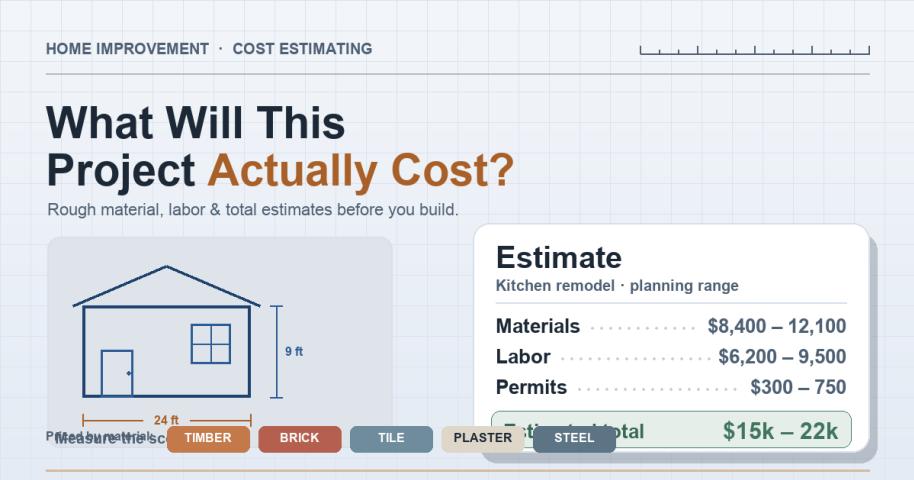
Cost predictability is another important reason clients choose turnkey contractors. Since the contractor provides a complete project proposal in advance, clients usually receive a fixed or clearly defined budget estimate. This reduces unexpected expenses during construction and allows better financial planning. Because procurement is centralized, contractors often obtain materials and equipment at competitive prices, helping maintain cost efficiency throughout the project.
Time management also improves significantly under turnkey contracts. Delays often occur when separate contractors depend on one another without centralized control. A turnkey contractor coordinates all tasks in sequence, ensuring that civil work, structural work, electrical systems, and finishing activities progress smoothly. This helps meet deadlines and allows clients to start using the facility sooner.
Quality assurance is another major benefit. Experienced turnkey contractors follow established quality standards across all project stages. They select suitable materials, supervise workmanship, conduct inspections, and perform testing before handover. Because they are responsible for the final outcome, they have strong motivation to maintain consistency and avoid defects that could affect performance later.
Risk reduction plays a significant role in turnkey project delivery. Since the contractor manages technical challenges, regulatory approvals, labor coordination, and supply chain issues, the client faces fewer operational risks. Any construction-related problems are addressed by the contractor without requiring the client to manage multiple disputes. This simplifies administration and creates a more secure project environment.
Turnkey contractors often provide customized solutions based on client needs. Every project has different functional requirements, whether it involves industrial production capacity, commercial layout, utility demand, or future expansion possibilities. A professional contractor studies the project carefully and develops solutions that align with both immediate objectives and long-term operational goals.
Technology has also strengthened turnkey contracting services. Modern contractors use digital design tools, project scheduling software, 3D planning systems, and advanced engineering methods to improve precision. This allows better visualization before construction begins and reduces errors during implementation.
Choosing the right turnkey contractor is critical for project success. Clients should evaluate experience, technical expertise, previous projects, certifications, financial stability, and service capability before making a decision. A reliable contractor should demonstrate strong communication, transparent pricing, and the ability to deliver projects within agreed timelines.
In today's competitive environment, turnkey contracting has become one of the most efficient project delivery methods for businesses seeking complete solutions with minimal complexity. It offers convenience, accountability, technical coordination, and reliable execution under one contract. Whether for industrial plants, commercial buildings, or infrastructure development, a turnkey contractor helps transform project ideas into ready-to-use realities with efficiency and professionalism.