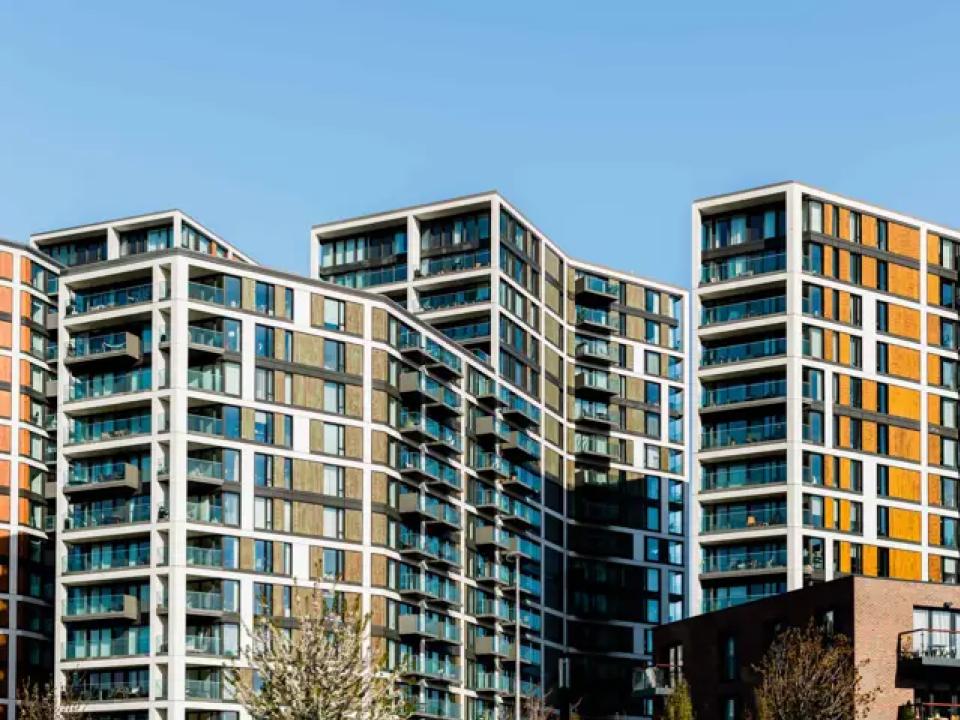
The residential property market has grown increasingly competitive and complex in recent years. Developers must manage multiple stages of a project—from planning and construction to occupancy and long-term maintenance. This is where Residential Development Management becomes a vital part of the development process. Combined with effective Property Management for Developers, it helps ensure that residential projects are delivered successfully and continue to perform well after completion.
Understanding Residential Development Management
Residential Development Management refers to the professional oversight of residential property projects throughout their lifecycle. It involves coordinating every aspect of development, including project planning, budgeting, construction supervision, and regulatory compliance. Development managers work closely with architects, contractors, planners, and investors to ensure that the project progresses smoothly and meets both financial and quality targets.
One of the key benefits of residential development management is improved efficiency. Large residential projects often involve multiple stakeholders and complex timelines. Without proper coordination, delays and budget overruns can quickly occur. Development managers help mitigate these risks by implementing clear project plans, monitoring progress, and ensuring that each stage is completed on schedule.
In addition, residential development managers ensure that projects meet local building regulations and planning requirements. Compliance with these rules is essential for avoiding legal complications and ensuring the safety and quality of the finished property.
The Growing Importance of Property Management for Developers
While residential development management focuses on the construction and delivery of projects, Property Management for Developers becomes crucial once the development is complete. Developers who retain ownership of their properties or manage rental communities rely on professional property management services to maintain operations and protect long-term value.
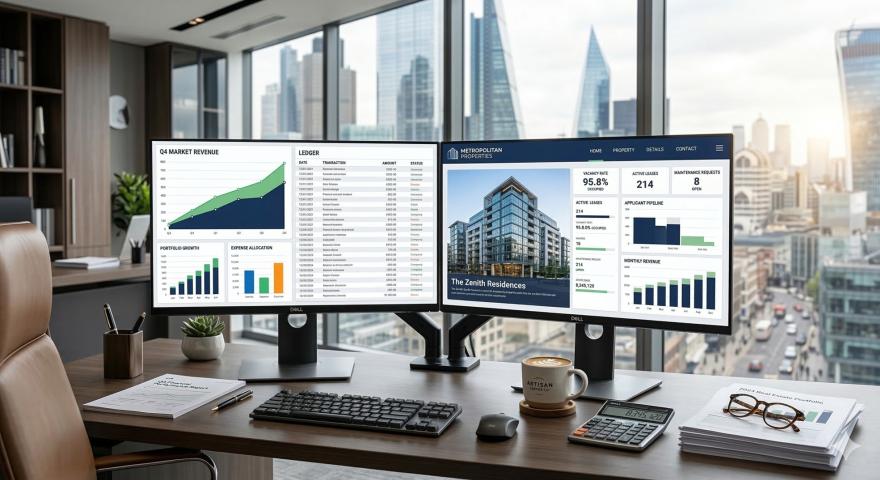
Property managers oversee the daily operations of residential properties. Their responsibilities typically include tenant communication, lease administration, rent collection, maintenance coordination, and financial reporting. By handling these tasks, property managers allow developers to focus on strategic growth while ensuring that the property runs efficiently.
Another important role of property management is maintaining a positive living experience for residents. Prompt responses to maintenance requests, well-maintained communal areas, and clear communication with tenants all contribute to resident satisfaction. This can lead to higher occupancy rates and long-term tenant retention, which are essential for stable rental income.
How Both Services Work Together
The combination of Residential Development Management and Property Management for Developers creates a comprehensive approach to property investment. Development management ensures that the project is delivered on time, within budget, and to a high standard. Property management then takes over to ensure the development continues to operate successfully.
For example, a development manager may help design operational strategies during the planning phase, such as maintenance systems or community management plans. Once residents move in, the property management team implements these strategies to maintain the building and provide high-quality services to tenants.
This seamless transition between development and operational management helps protect the developer’s investment and ensures long-term profitability.
Conclusion
In today’s evolving real estate landscape, successful residential projects require more than just construction expertise. They require strategic oversight and long-term operational management. By investing in professional Residential Development Management and reliable Property Management for Developers, developers can deliver high-quality housing, maintain strong property performance, and build sustainable residential communities.
Ultimately, these management services play a critical role in ensuring that residential developments remain profitable, well-maintained, and attractive to residents for years to come.