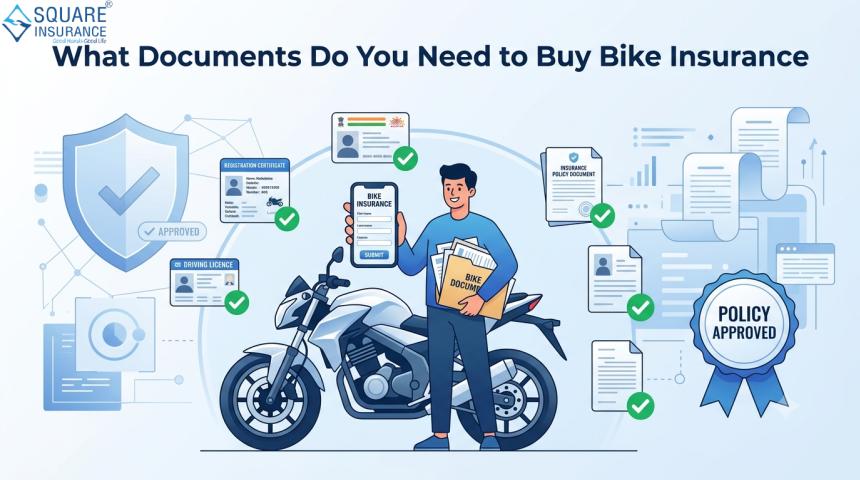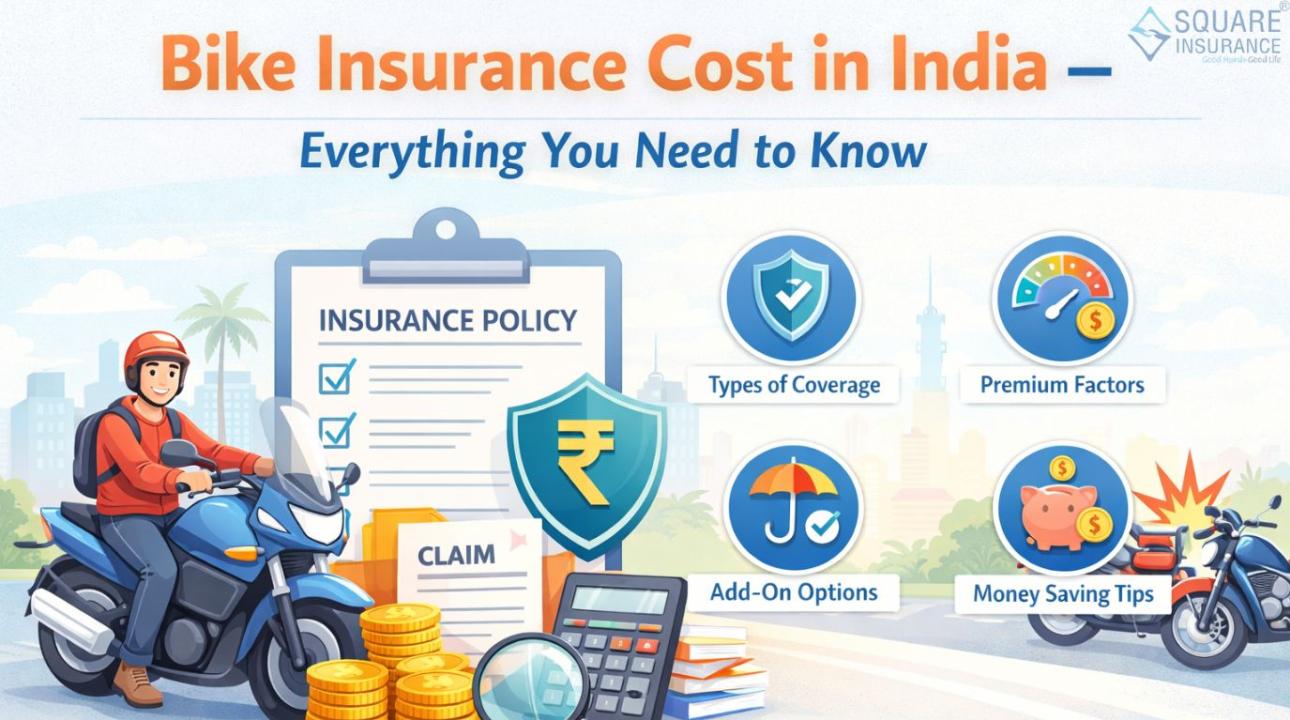
Owning a bike in India comes with its share of responsibilities, and one of
the most important is securing comprehensive insurance. Understanding bike insurance price is crucial for every
rider, whether you are buying a new bike or renewing your existing policy. The
cost of bike insurance in India varies depending on several factors, and having
the right knowledge helps you make an informed decision while ensuring your
vehicle is adequately protected.
In this guide, we will explore the components
of bike insurance cost, types of policies, factors affecting premiums, and ways
to save money while getting the best coverage.
Understanding Bike Insurance
Bike insurance is a legal requirement under
Indian motor vehicle law. It provides financial protection against damages
caused by accidents, theft, natural calamities, or third-party liabilities. Two
main types of bike insurance policies are widely available in India:
- Third-Party
Liability Insurance – Covers damages caused to a third
party in case of an accident. It is the minimum insurance mandatory by
law.
- Comprehensive
Insurance – Provides complete coverage, including damage
to your bike, theft, natural disasters, and third-party liabilities.
While third-party insurance is cheaper,
comprehensive insurance offers broader protection, making it a preferred choice
for most bike owners.
Factors Affecting Bike Insurance Cost in India
The bike
insurance price in India is influenced by several factors.
Understanding these can help you plan your budget and select the right policy:
- Insured
Declared Value (IDV)
The IDV is the maximum amount your insurance company will pay in case of total loss or theft of the bike. Higher IDV means higher premiums, while lower IDV reduces the premium but also lowers the claim amount. - Bike
Model and Engine Capacity
Premiums vary based on the brand, model, and engine capacity of the bike. High-end bikes with larger engines tend to have higher insurance costs due to increased repair costs and theft risk. - Age
of the Bike
New bikes attract higher premiums as their IDV is higher. As the bike ages, the premium generally reduces because the IDV decreases over time. - Type
of Policy Chosen
Third-party insurance is cheaper, but comprehensive policies cost more due to the broader coverage. Riders often choose add-ons to enhance protection, which also increases the cost. - Location
of Registration
Urban areas tend to have higher premiums than rural areas because of higher accident and theft rates. - No
Claim Bonus (NCB)
NCB is a reward for claim-free years. If you do not make a claim, insurers offer a discount on the renewal premium, which can significantly reduce the bike insurance price. - Add-on
Covers
Optional covers like zero depreciation, roadside assistance, engine protection, and personal accident cover can increase the overall insurance cost but offer additional security.
Average Bike Insurance Cost in India
The bike
insurance price can vary widely depending on the factors mentioned
above. Here’s a general estimate:
- Small
bikes (engine < 150cc) – ₹1,500 to ₹4,000 annually for
comprehensive insurance.
- Mid-range
bikes (150cc–250cc) – ₹3,000 to ₹7,000 annually.
- Premium
bikes (above 250cc) – ₹5,000 to ₹15,000 annually, or
higher depending on the brand and model.
Third-party insurance premiums are much lower,
typically ranging from ₹800 to ₹2,500 depending on the engine capacity.
Ways to Reduce Bike Insurance Cost
While it is important not to compromise on
coverage, there are several ways to reduce your bike insurance cost without
affecting protection:
- Choose
the Right IDV – Avoid over-insuring your bike. Selecting a
realistic IDV helps keep premiums reasonable.
- Maintain
a Clean Claim Record – Claim-free years help you earn the
No Claim Bonus (NCB), reducing premiums on renewal.
- Opt
for a Higher Deductible – Voluntary deductible can lower
the premium. This means you agree to pay a fixed amount in case of minor
claims.
- Select
Relevant Add-ons – Only choose add-ons that are necessary.
Unnecessary add-ons can increase the bike insurance price.
- Compare
Policies Online – Using online tools and insurance
aggregators helps identify cost-effective policies without compromising
coverage.
Common Add-ons in Bike Insurance
Add-ons enhance your policy and provide extra
protection. Some popular add-ons include:
- Zero
Depreciation Cover – Ensures full claim without
depreciation deduction on parts.
- Engine
and Gearbox Protection – Covers engine damages due to
water, oil leakage, or mechanical failure.
- Roadside
Assistance – Offers emergency support during breakdowns or
accidents.
- Personal
Accident Cover – Provides financial support in case of
injury or death due to an accident.
Choosing add-ons depends on your usage, bike
value, and financial protection needs.
How to Buy Bike Insurance in India
Purchasing bike insurance is simple and
convenient:
- Online
Purchase – Visit insurance company portals, fill in
details, compare quotes, and make online payment. Instant policy issuance
is possible in most cases.
- Through
Agents – Insurance agents provide guidance, suggest suitable
policies, and handle documentation.
- Renewals
– Renew your policy before expiry to avoid lapsed coverage and maintain No
Claim Bonus.
Online purchase is often cheaper and faster,
making it the preferred choice for many bike owners.
Frequently Asked Questions (FAQs)
Q1. What
is the minimum bike insurance cost in India?
The minimum is the third-party liability insurance, ranging from ₹800 to ₹2,500
depending on bike capacity.
Q2. Does
bike insurance cover theft?
Comprehensive insurance covers theft, while third-party insurance does not.
Q3. Can
I reduce my bike insurance premium?
Yes, by maintaining a claim-free record, selecting appropriate IDV, and
avoiding unnecessary add-ons.
Q4. What
is No Claim Bonus (NCB)?
NCB is a discount on renewal premiums for each claim-free year. It can go up to
50% after consecutive claim-free years.
Q5. Are
add-ons necessary for bike insurance?
Add-ons are optional, but they enhance coverage. Zero depreciation and roadside
assistance are highly recommended.
Q6. How
is the bike insurance price calculated?
It is calculated based on IDV, bike model, engine capacity, age, location, type
of policy, and add-ons selected.
Q7. Can
I transfer my bike insurance to a new owner?
Yes, insurance can be transferred during the sale of the bike. Both parties
need to notify the insurance company.
Conclusion
Understanding the bike insurance price in India is crucial for making
informed decisions and protecting your vehicle effectively. Premiums depend on
multiple factors like bike model, age, IDV, location, and add-ons, while
discounts like No Claim Bonus can help reduce the cost. Comprehensive insurance
is the preferred choice for complete protection, whereas third-party insurance
fulfills legal requirements.
For hassle-free purchase, instant policy
issuance, and competitive premiums, Square Insurance offers reliable solutions for bike owners across India. By
comparing plans and choosing suitable coverage, you can ensure financial
security while enjoying a smooth riding experience.