A lot of individuals deal with thinning hair, yet today’s medicine offers transplants as a solid option to bring back real-looking growth. Still, what comes up most often from those considering it tends to be about graft numbers - how many grafts for hair transplant does the process truly require?
One person might need more grafts than another - this difference comes down to how far hair loss has progressed. Coverage demands shift depending on which parts of the scalp are affected. Success often ties back to clarity before surgery begins. For more details, take a quick look at this blog; stay tuned till the end.
What Is a Hair Graft?
A single hair transplant unit forms the basis of what experts call a graft. Knowing this helps figure out how many will be necessary later on.
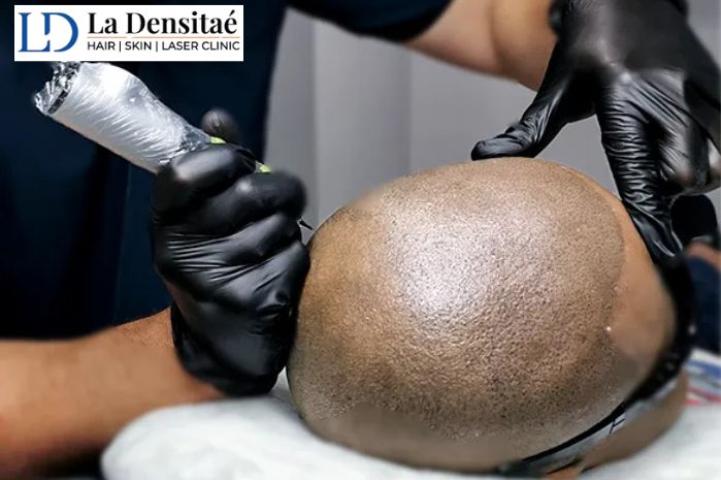
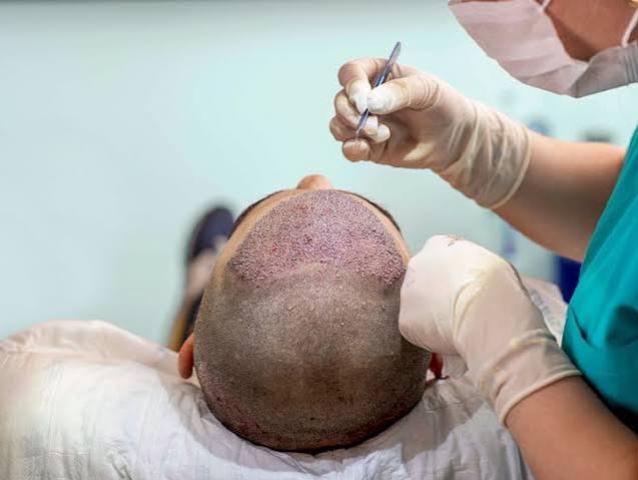
From the scalp's donor region - often near the back or edges - a tiny segment of tissue is removed, holding between one and four hair follicles. As the process moves forward, each of these segments gets placed precisely where hair has started to recede or vanish. Though delicate, the method follows a clear path: extract, then insert.
With every graft holding several hair follicles, the overall hair count after transplant often exceeds the number of grafts used.
Graft Needs by Norwood Stage
The Norwood Scale begins at its first stage to enable doctors to assess the progression of male pattern baldness. The scale determines how many grafts surgeons need for transplantation because they use it to evaluate patient requirements.
Norwood 2 Mild Hair Loss at Front
The first symptoms of this stage appear as a slight recession at the temple area. The majority of cases require between 500 and 1,500 grafts which will establish a new hairline while increasing hair volume throughout the entire scalp area.
Norwood 3 Visible Frontal Hair Loss
Now, the hairline starts looking sharper, sometimes showing slight thinning at the crown. Improvement usually shows after 1,500 to 2,500 grafts in most cases.
Norwood 4 Mild Thinning at Crown
Hair gradually loses thickness near the front edge and top of the scalp. When this occurs, restoration often needs between 2,500 and 3,500 grafts for even density.
Norwood 5–6 Significant Hair Loss
Follicular units needed can go beyond 3,500 when baldness covers broader regions of the head. Coverage improves significantly once transplants reach around five thousand grafts in extensive cases. Where hair loss is widespread, higher numbers support fuller results on the scalp.
Norwood 7 Advanced Hair Loss
At this point, hair loss has reached its peak, leaving just a narrow strip of usable follicles. Such situations typically involve transplanting between five thousand and ten thousand grafts, usually split across several visits.
Grafts Needed Across Scalp Regions
Depending on which part requires attention, the count of grafts can shift. A different zone might mean a varied number altogether.
Frontal Hairline Restoration
A typical hairline restoration involves around 800 to 1,800 grafts - fewer if the recession is mild. When more of the scalp becomes visible, higher numbers usually apply. Quantity shifts based on individual patterns of thinning at the forehead edge. Some cases sit near the middle of that range without leaning toward either extreme.
Crown Area (Vertex)
Around the top of the head, more grafts tend to be necessary due to how hair grows in rings. Typically, achieving fullness means using between 2,500 and 4,000 individual grafts.
Full Scalp Coverage
Starting at the forehead and moving toward the back of the head, coverage often demands upwards of five thousand grafts. Sometimes, full restoration needs as many as 7000 - occasionally even beyond that number - to appear realistic. Each case varies, yet dense distribution remains key across both areas.
What Affects How Many Grafts Are Needed
A few elements shape the number of grafts needed throughout surgery:
Hair Thickness and Texture
When compared to thinner hair types, people with thicker hair strands require fewer hair transplants because their hair follicles cover more area.
Hair Color and Scalp Contrast
Follicles blending naturally with skin tone tend to hide transplant zones more effectively. A close match means less density is needed for a seamless look. Where pigment alignment occurs, results show up clearly even with sparse placement. Subtle contrasts between hair and scalp reduce the need for high numbers of implants. This kind of visual harmony allows lower graft counts to still appear full. Matching shades makes individual strands harder to distinguish from surrounding skin.
Donor Area Density
Fewer grafts may come from a weaker donor zone, simply due to limited supply. When density holds up well at the back of the head, extraction numbers go higher - provided conditions stay stable.
Desired Hair Density
A few people lean toward thicker results, whereas some feel fine with a lighter look. How dense someone wants it shapes how many grafts they will need.
Procedure Type and Graft Limits
Depending on the method used, a single hair transplant session may allow more or fewer grafts to be moved. Some techniques limit how many follicles can be relocated at once. Others create space for higher numbers within one visit. The choice of procedure shapes what is possible during surgery.
Fue Follicular Unit Extraction
A single session using this method often achieves 2,000 to 2,500 grafts by removing follicles one at a time. Despite its precision, the process remains limited to what can be safely harvested in one sitting.
Follicular Unit Transplantation
The surgeon removes a piece of scalp which is then divided into separate grafting units. The method enables doctors to implant between 3000 and 3500 hair grafts during one surgical session.
Surgeons choose their surgical method based on two factors which include the amount of hair loss and the condition of scalp tissue that will be used for grafting. The evaluation process needs to take place first before the treatment plan which uses personalized methods can start.
Final Thoughts
Depending on how much hair is missing, the extent of coverage needed can differ greatly. A small adjustment along the forehead might take just a handful of grafts for hair transplant for certain people. Size of the balding zone plays a role, as does the texture and density of existing strands. Full regrowth often demands more than one visit to reach the goal. Session count shifts with personal scalp conditions.
A visit to an experienced professional sets the stage for f carefully mapped out, the procedure tends to bring visible changes, not just in look but in self-assurance too.