Building a token on Ethereum can open doors to new business models, fundraising opportunities, and digital ecosystems. But once you move past the idea stage, the process becomes more technical than most expect. From smart contract logic to security testing, every step requires careful execution.
This is why many businesses choose to work with a professional Ethereum token development company—not as a shortcut, but as a way to avoid delays, reduce risk, and use resources more efficiently.
Understanding Ethereum Token Development
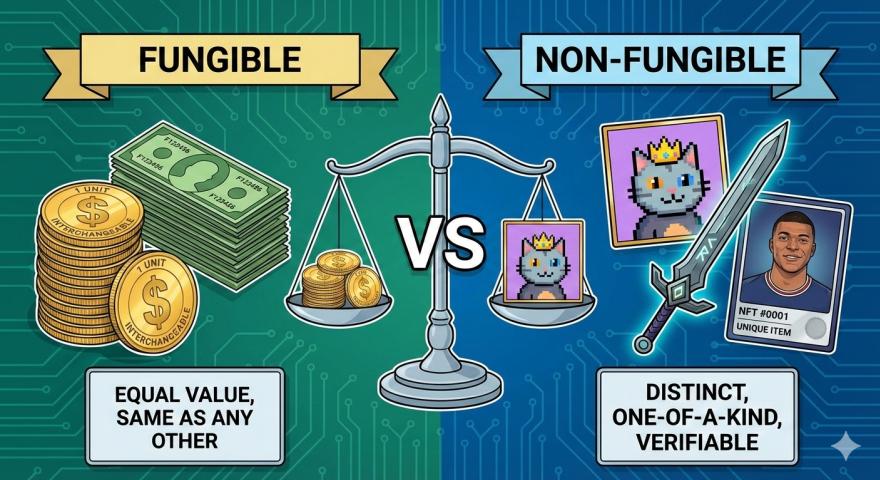
At its core, Ethereum token development is the process of creating digital assets on the Ethereum blockchain using standards like ERC-20 (fungible tokens) or ERC-721 (NFTs).
What the process typically involves
Defining token purpose and tokenomics
Writing and deploying smart contracts
Testing for bugs and vulnerabilities
Integrating wallets and exchanges
Managing gas optimization and scalability
Each of these steps requires both technical knowledge and practical experience. Missing even a small detail can lead to performance issues or security risks.
Where Time Is Often Lost
Many teams initially try to handle development internally. While this can work for highly technical teams, it often leads to delays.
Common time-consuming challenges
Learning Solidity and blockchain architecture
Debugging smart contract errors
Rewriting code after failed tests
Coordinating between multiple tools and platforms
Handling deployment issues on mainnet
These hurdles can stretch timelines from weeks into months.
How Professional Support Saves Time
Working with experienced developers brings structure and speed to the process.
What changes with a professional team
Established workflows reduce trial and error
Pre-tested modules speed up development
Faster debugging and deployment cycles
Clear milestones and timelines
Instead of figuring things out step by step, you move forward with a guided, predictable process.
Reducing Costs Without Cutting Corners
Cost savings don’t just come from lower development time—they come from avoiding expensive mistakes.
Where costs usually increase
Fixing vulnerable smart contracts after launch
Paying for repeated audits due to poor code quality
Downtime or token failures affecting users
Hiring and training an in-house blockchain team
How outsourcing helps manage costs
Access to a full team without long-term commitments
Reduced rework due to experienced coding practices
Better planning of gas fees and deployment strategies
In many cases, the initial investment in professional services balances out by preventing long-term losses.
What Services Typically Include
A reliable Ethereum token development service usually offers a mix of technical and strategic support.
Core services you can expect
Custom token creation (ERC-20, ERC-721, ERC-1155)
Smart contract development and auditing
Tokenomics design and consultation
Wallet and exchange integration
Ongoing maintenance and upgrades
These services are designed to ensure that your token is not just launched—but built to function smoothly in real-world conditions.
Choosing the Right Development Partner
Not all providers offer the same level of expertise. It’s worth taking time to evaluate your options.
Simple checklist before you decide
Review previous blockchain or token projects
Check their approach to smart contract security
Ask about testing and audit processes
Understand their communication and support model
Look for clarity in pricing and timelines
A transparent and experienced team often leads to a more predictable outcome.
Final Thoughts
Ethereum token development is a technical process where efficiency and accuracy matter just as much as innovation. Working with experienced professionals helps reduce uncertainty, speed up execution, and manage costs more effectively.
If you're exploring ways to launch a secure and scalable token, it may be worth looking into a trusted Ethereum token development solution that aligns with your project goals—so you can focus more on growth and less on technical roadblocks.
FAQs
1. Do I really need a development company to create a token?
Not always—but if you want reliability, security, and faster execution, professional support can make a significant difference.
2. How long does Ethereum token development take?
It depends on complexity. Simple tokens may take a few days, while advanced projects can take several weeks.
3. Is outsourcing better than hiring an in-house team?
For many businesses, yes. It reduces hiring costs and gives access to specialized expertise immediately.
4. What risks are involved in token development?
The biggest risks include smart contract vulnerabilities, poor scalability, and lack of proper testing.
5. Can I modify my token after deployment?
Smart contracts are usually immutable, but upgrades can be planned using proxy patterns or advanced contract design.