Electrical problems can be frustrating, inconvenient, and sometimes even dangerous. Whether it’s flickering lights, tripping breakers, or outlets that suddenly stop working, these issues often seem to appear out of nowhere. The good news is that many electrical problems follow predictable patterns—and understanding them can help you respond more effectively.
This guide breaks down common electrical issues, what they might mean, and when it’s time to bring in a professional.
Why Electrical Problems Should Never Be Ignored
It’s easy to dismiss minor electrical issues as temporary annoyances. A light flickers once, a breaker trips occasionally—no big deal, right? Not necessarily.
Small warning signs can indicate larger underlying problems, such as overloaded circuits, faulty wiring, or aging electrical panels. Left unaddressed, these issues can escalate into serious hazards, including electrical fires or equipment damage.
Taking action early not only protects your property but also saves money in the long run.
Common Electrical Issues and What They Mean
Understanding the root cause of electrical problems can help you determine the next steps. Here are some of the most frequent issues property owners encounter:
1. Flickering or Dimming Lights
This could be caused by loose wiring, overloaded circuits, or issues with the main power supply. If it happens frequently, it’s worth investigating further.
2. Circuit Breakers That Keep Tripping
Breakers are designed to shut off power when a circuit is overloaded or short-circuited. Frequent trips usually signal that your system is under strain.
3. Dead Outlets
An outlet that suddenly stops working may be due to a tripped GFCI outlet, wiring problems, or internal damage.
4. Burning Smell or Warm Outlets
This is a serious warning sign. It often indicates overheating or faulty wiring and should be addressed immediately.
5. High Energy Bills
Unexpected spikes in energy costs can point to inefficient systems or hidden electrical issues that are draining power.
DIY Checks You Can Safely Perform
While major electrical work should always be handled by professionals, there are a few basic checks you can do safely:
Reset tripped breakers in your electrical panel
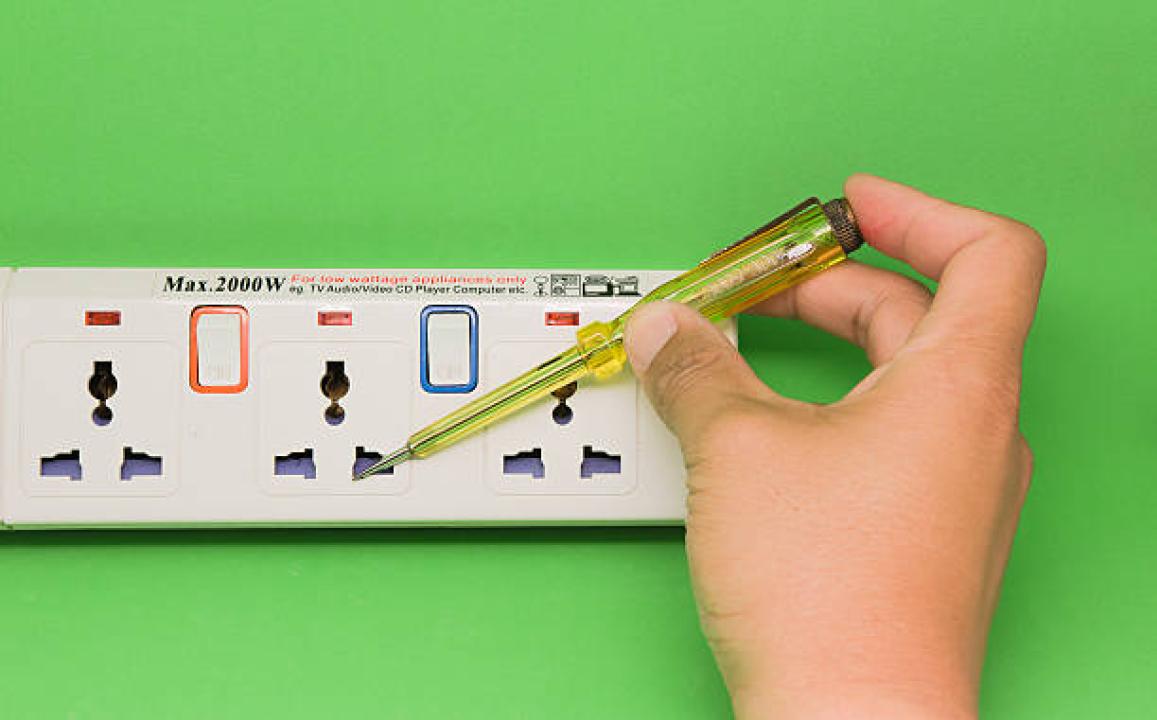
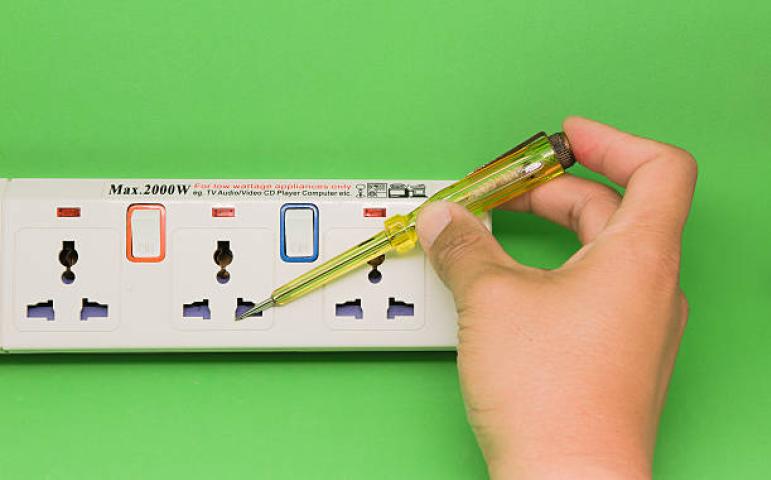
Test outlets using a plug-in tester
Check for loose bulbs in flickering fixtures
Identify which devices are connected to overloaded circuits
These simple steps can sometimes resolve minor issues or at least help you better understand the problem before calling an expert.
When to Call a Professional Electrician
There’s a clear line between basic troubleshooting and situations that require professional expertise. You should contact a qualified electrician if:
Problems persist after basic checks
You notice burning smells or discoloration
Outlets or switches feel warm to the touch
Your home has outdated wiring or panels
You’re planning renovations or adding new appliances
Electrical systems are complex, and attempting advanced repairs without proper training can be dangerous.
The Importance of Systematic Troubleshooting
Professional electricians don’t just fix symptoms—they diagnose the root cause. This process, known as systematic troubleshooting, involves:
Inspecting the affected area
Testing circuits and components
Identifying faults or inefficiencies
Implementing targeted solutions
This method ensures that problems are resolved completely rather than temporarily patched.
For those dealing with persistent or complex issues, learning more about electrical troubleshooting Las Vegas can provide valuable insight into how professionals approach diagnostics and repairs in both residential and commercial settings.
Preventing Future Electrical Problems
Prevention is always better than repair. Regular maintenance and mindful usage can significantly reduce the likelihood of electrical issues.
Tips to keep your system running smoothly:
Avoid overloading outlets and circuits
Schedule periodic electrical inspections
Upgrade outdated panels and wiring
Use surge protectors for sensitive electronics
Address small issues before they escalate
By taking a proactive approach, you can extend the lifespan of your electrical system and maintain a safer environment.
How Modern Electrical Systems Improve Reliability
Today’s electrical systems are more advanced than ever, offering improved safety features and greater efficiency. Innovations such as smart panels, energy monitoring systems, and automated controls make it easier to manage power usage and detect problems early.
Upgrading to modern solutions not only enhances reliability but also supports the growing demand for energy in homes and businesses.
Conclusion: Stay Informed, Stay Safe
Electrical issues are a normal part of maintaining any property, but how you respond to them makes all the difference. By understanding common problems, performing basic checks, and knowing when to call a professional, you can avoid unnecessary risks and expenses.
Staying proactive and informed ensures that your electrical system remains safe, efficient, and dependable for years to come. When in doubt, always prioritize safety and seek expert guidance to address concerns properly.