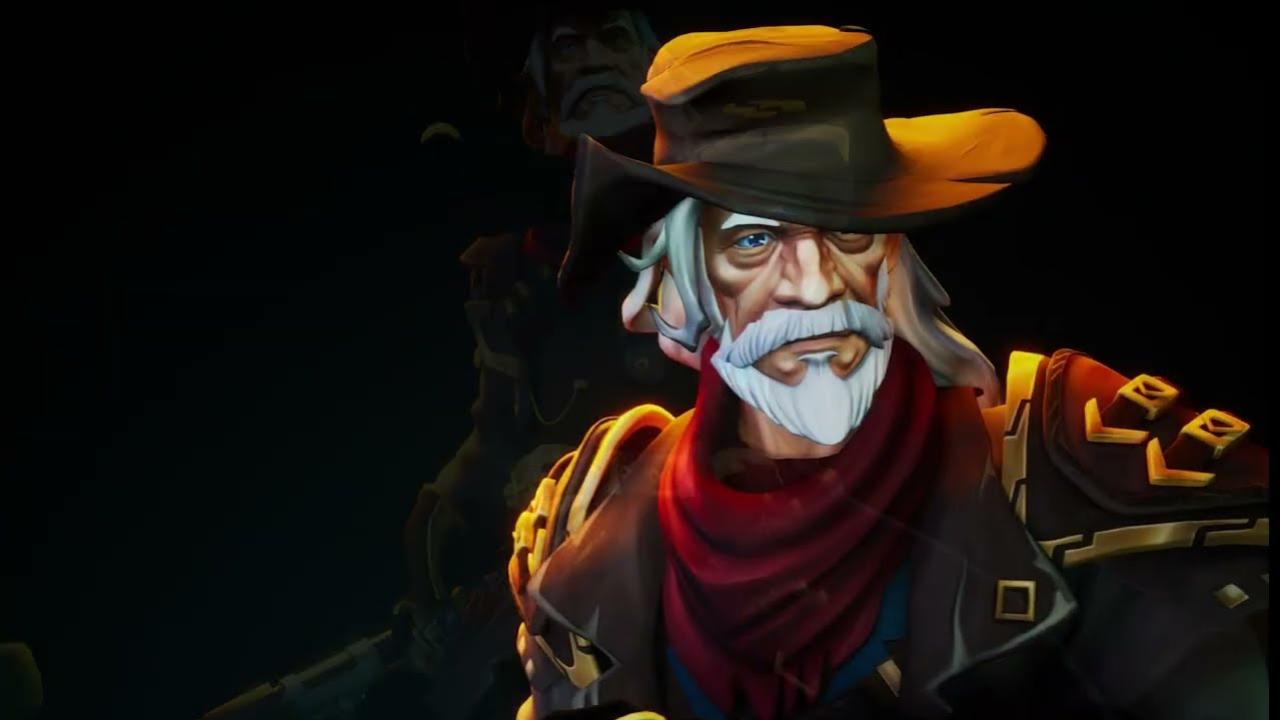
If you have ever paused a game not because of the gameplay, but because of how it looked, you have already experienced the work of a Game Artist.
The environments that feel alive.
The characters that stay with you.
The atmosphere you remember long after you stop playing.
None of this happens by chance.
Naturally, the next step feels simple. You search for concept art classes near you or think about joining a digital illustration course. It seems like the obvious way forward.
But this is where many aspiring artists go wrong.
They choose a course before they truly understand the role.
Concept Art vs Illustration: What’s the Real Difference?
At first glance, both paths seem similar. They involve drawing, composition, color, and storytelling. But in the gaming industry, the purpose behind the work makes all the difference.
A Concept Artist works at the very beginning of the creative process. Their job is not to create finished artwork, but to explore ideas. They design characters, environments, and moods through multiple variations. Their work helps the team decide how the game should look before production starts.
This process is fast, experimental, and often intentionally rough.
Illustration, on the other hand, focuses on creating polished and complete visuals. A digital illustration course teaches you how to produce artwork that clearly communicates a story or message. The work is refined, detailed, and designed to stand on its own.
In simple terms:
Concept art develops ideas.
Illustration delivers them.
Both are important, but they lead to very different roles in a professional setting.
Why This Choice Matters for Your Career
The gaming industry values clarity over effort.
Studios look for artists who understand their place in the production pipeline. If your portfolio mixes concept sketches and polished illustrations without a clear direction, it can come across as confusion rather than versatility.
This is why many aspiring Game Artists struggle to get hired. Their work may look good, but it lacks focus.
A well-structured digital art course helps solve this problem. It does more than teach tools. It helps you:
Build strong fundamentals with a clear purpose
Understand how concept art and illustration fit into production
Discover your strengths and choose a direction
Create a portfolio that matches industry expectations
In short, it turns practice into a career path.
What You Actually Learn
A good concept art or illustration program goes beyond technique. It teaches you how to think like a professional artist.
You learn how to design characters that support gameplay, not just look good.
You understand how environments influence the player’s experience.
You explore how lighting, color, and composition shape mood and storytelling.
Most importantly, you learn how to create work that fits into a larger system. Your designs become useful for developers, designers, and entire teams.
This shift from creating standalone artwork to building production-ready assets is what separates hobbyists from professionals.
Why MAGES Institute Stands Out
At MAGES Institute, the focus is not just on learning how to draw. It is about understanding how art works within the gaming industry.
With mentor-led training, real-world projects, and a curriculum built around current industry needs, students gain more than technical skills. They gain direction and clarity.
Whether you start by searching for concept art classes near you or join a digital illustration course, the goal remains the same. Build skills that lead to real opportunities.
Your Next Step
Becoming a Game Artist is not about randomly choosing a course. It is about choosing the right direction first.
When you understand the difference between concept art and illustration, your learning becomes focused. Your portfolio becomes purposeful. Your progress becomes clear.
Before you enroll in any course, take the time to understand your path.
Start by exploring the full blog. Then choose a digital art course that aligns with your goals, not just your interests.