Search Engine Optimization (SEO) in 2026 is no longer just about keywords and backlinks—it’s about context, structure, and user intent. Among all the evolving ranking factors, internal linking has become one of the most powerful (and often underutilized) tools in a modern SEO strategy.
This article explores how internal links shape SEO performance today, what has changed in 2026, and how to build a future-proof internal linking strategy.
The Evolution of SEO: Why Internal Links Matter More Than Ever
Search engines have become significantly more advanced with AI-driven algorithms that understand:
Semantic relationships between content
User behavior and engagement patterns
Content depth and topical authority
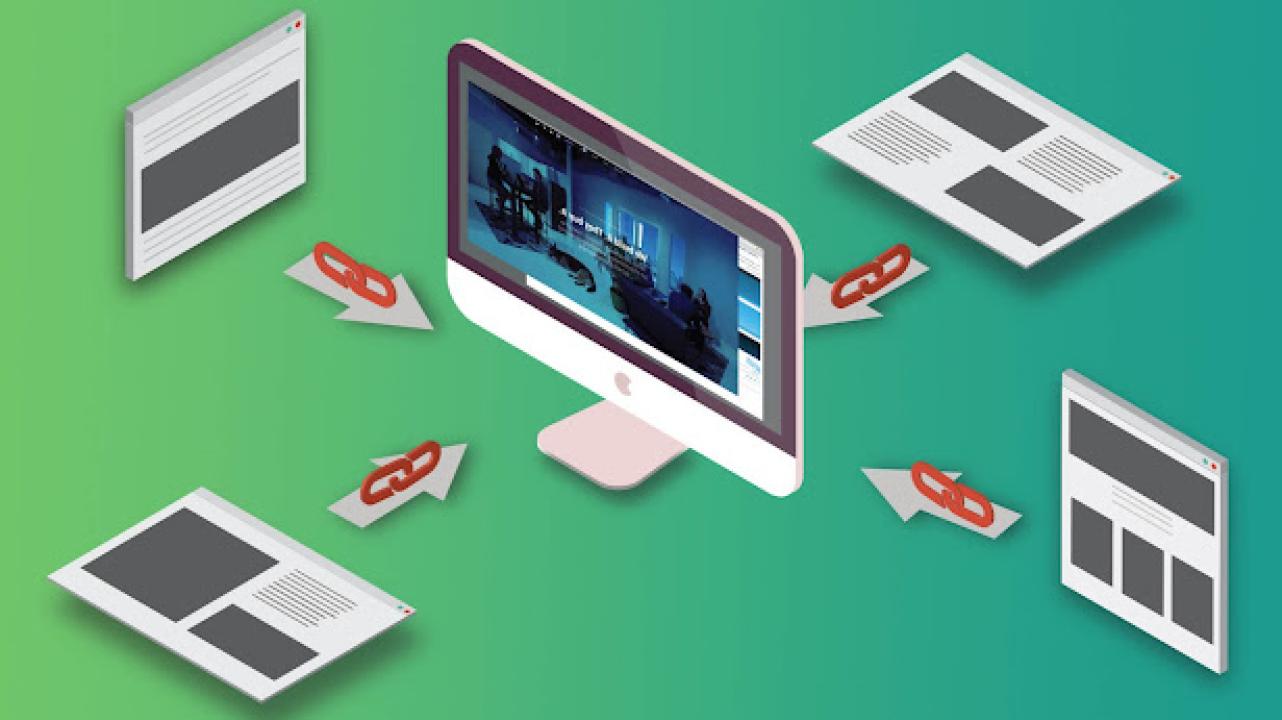
Internal links act as signals that guide search engines through your website. They help define:
- Which pages are most important
- How topics are connected
- The hierarchy of your content
In 2026, internal linking is no longer optional—it’s foundational.
What Are Internal Links?
Internal links are hyperlinks that connect one page of a website to another page within the same domain.
Examples include:
Blog posts linking to related articles
Product pages linking to category pages
Pillar pages linking to subtopics
These links help both users and search engines navigate your site efficiently.
Key Benefits of Internal Linking in 2026
1. Improved Crawlability and Indexing
Search engine bots rely on internal links to discover and index content. A strong internal structure ensures:
Faster indexing of new pages
Better visibility for deep pages
Reduced orphan pages (pages with no links pointing to them)
2. Stronger Topical Authority
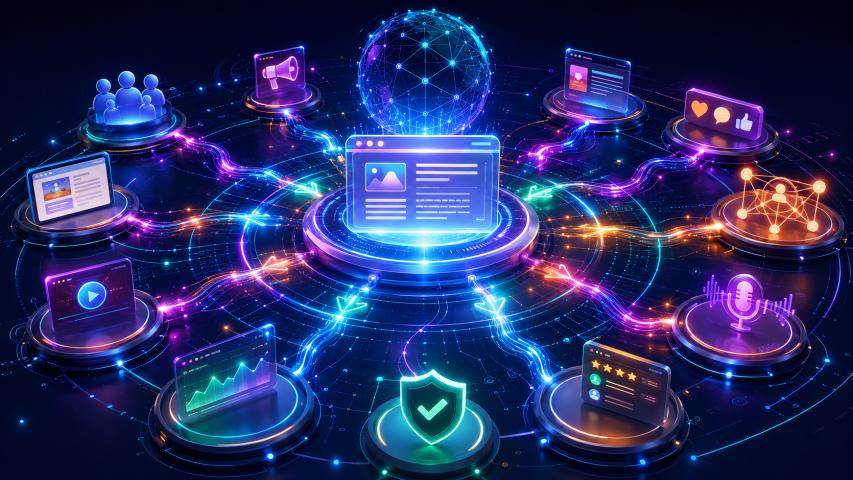
Internal links help build content clusters, which signal expertise in a specific niche.
For example:
A main article about “SEO in 2026.”
Supporting articles on technical SEO, AI content, and internal linking
This interconnected structure tells search engines: “This site is an authority on SEO.”
3. Better User Experience (UX)
Internal links guide users to relevant content, increasing:
Time on site
Pages per session
Engagement rates
In 2026, user experience metrics are tightly tied to rankings, making internal linking a UX tool as much as an SEO tactic.
4. Distribution of Link Equity
Internal links pass authority (link equity) from stronger pages to weaker ones.
For example:
A high-traffic blog post can boost a newly published page
Homepage authority can be distributed across key landing pages
Internal Linking Best Practices for 2026
1. Use Contextual Links (Not Just Navigation)
Links within content carry more weight than menu or footer links.
✔ Example:
Instead of listing links at the bottom, naturally include them within paragraphs where relevant.
2. Optimize Anchor Text Strategically
Anchor text should be:
Descriptive
Natural
Relevant to the target page
Avoid:
Over-optimization (exact-match spam)
Generic phrases like “click here”
3. Build Topic Clusters
Structure your content into:
Pillar pages (broad topics)
Cluster pages (specific subtopics)
Then interlink them in a logical way.
4. Limit Link Depth
Important pages should be reachable within 3 clicks or fewer from the homepage.
This ensures:
Better crawl efficiency
Higher perceived importance
5. Fix Orphan Pages
Use SEO tools to identify pages with no internal links pointing to them.
If a page isn’t linked:
Search engines may not find it
Users definitely won’t
6. Update Old Content with New Links
One of the easiest wins in 2026 SEO:
Add links from older high-performing pages to new content
Refresh outdated articles with relevant internal links
AI and Internal Linking in 2026
AI tools now assist in:
Identifying linking opportunities
Suggesting anchor text variations
Mapping content clusters automatically
However, human oversight remains critical.
Why? Because:
AI lacks full contextual nuance
Strategic linking requires understanding user intent and business goals
Common Internal Linking Mistakes
Avoid these pitfalls:
Overloading pages with too many links
Using irrelevant anchor text
Linking only to top pages (ignoring deeper content)
Broken internal links
Ignoring mobile UX when placing links
The Future: Semantic Internal Linking
In 2026, internal linking is shifting toward semantic relevance rather than just keyword matching.
Search engines now evaluate:
Topic relationships
Content intent
Contextual meaning
This means:
It’s not just where you link—but why you link.
Final Thoughts
Internal linking is one of the few SEO tactics you fully control—and in 2026, it’s a major competitive advantage.
A well-structured internal linking strategy will:
Improve rankings
Enhance user experience
Strengthen topical authority
Future-proof your SEO efforts
If you’re not actively optimizing your internal links, you’re leaving significant organic growth on the table.