In India, businesses dealing with electrical equipment, especially those connected to power distribution systems, must comply with regulatory approvals to ensure safety and legal operation. One such essential requirement is obtaining DPL/NDPL Certification. Whether you are a dealer, contractor, or organization handling electrical items, understanding Dealer Possession License (DPL) and Non-Dealer Possession License (NDPL) is crucial.
What is DPL/NDPL Certification?
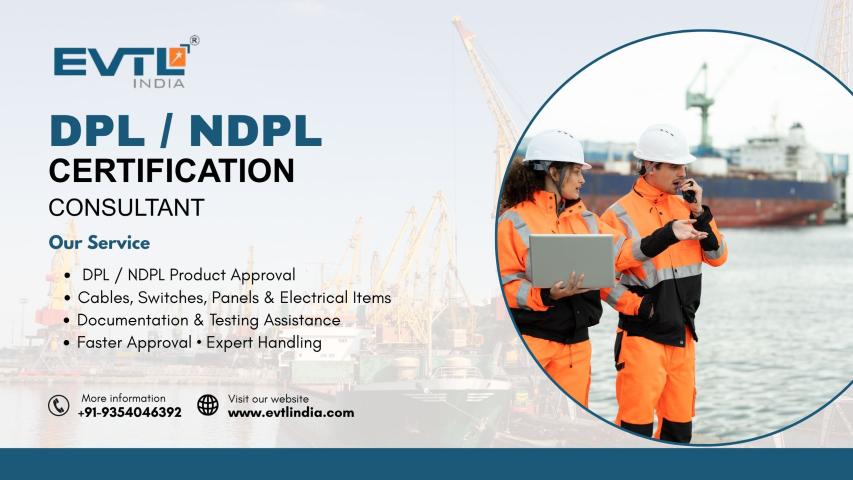
DPL/NDPL Certification refers to the authorization granted to individuals or businesses to possess, deal with, or use electrical equipment in compliance with power distribution regulations.
These licenses are generally issued by electricity distribution authorities such as BSES Rajdhani Power Limited and BSES Yamuna Power Limited or other regional DISCOMs.
The purpose of DPL and NDPL licenses is to ensure:
- Safe handling of electrical equipment
- Compliance with technical standards
- Prevention of unauthorized usage
- Accountability in the supply chain
What is a Dealer Possession License (DPL)?
A Dealer Possession License (DPL) is required for businesses or individuals who deal in electrical materials such as:
- Cables and wires
- Switchgear and panels
- Transformers and meters
- Electrical accessories
Key Features of DPL License:
- Mandatory for electrical equipment dealers
- Ensures only approved products are sold
- Required for supplying goods to DISCOMs
- Helps maintain safety and quality standards
A valid DPL license allows dealers to legally store, sell, and distribute electrical items.
What is a Non-Dealer Possession License (NDPL)?
A Non-Dealer Possession License (NDPL) is issued to entities that use electrical equipment but do not sell or trade them.
Who Needs NDPL License?
- Contractors and project developers
- Builders and infrastructure companies
- Industrial units
- Government organizations
Key Features of NDPL License:
- Allows possession and use of electrical items
- Ensures compliance with safety regulations
- Mandatory for project execution involving electrical installations
Difference Between DPL and NDPL Licenses
| Aspect | DPL License | NDPL License |
|---|---|---|
| Purpose | For dealers/traders | For end-users |
| Usage | Selling electrical equipment | Using electrical equipment |
| Applicability | Retailers, wholesalers | Contractors, industries |
| Requirement | Mandatory for supply | Mandatory for project execution |
Understanding the difference helps businesses choose the right license for their operations.
Dealer Possession License Registration Process
Obtaining Dealer Possession License Registration involves the following steps:
1. Application Submission
Submit the application to the relevant electricity distribution authority.
2. Documentation
Provide required documents such as:
- Business registration certificate
- GST registration
- Identity and address proof
- Details of electrical products
3. Inspection
Authorities may inspect premises to verify compliance.
4. Approval & Certification
After verification, the Dealer Possession License Certification is granted.
Non-Dealer Possession License Registration Process
The process for Non-Dealer Possession License Registration is similar but focuses on usage rather than sale.
Steps Involved:
- Submit NDPL application
- Provide project or usage details
- Submit identity and business documents
- Undergo verification
- Receive NDPL Certification
Both DPL and NDPL registrations require strict adherence to safety and compliance standards.
Benefits of DPL and NDPL Licenses
Obtaining DPL/NDPL Certification offers several advantages:
1. Legal Compliance
Ensures adherence to electricity regulations and avoids penalties.
2. Business Credibility
Enhances trust among clients, contractors, and authorities.
3. Smooth Operations
Prevents disruptions due to regulatory issues.
4. Safety Assurance
Promotes safe handling and usage of electrical equipment.
5. Eligibility for Projects
Required for participation in government and private tenders.
Documents Required for DPL/NDPL Certification
While requirements may vary, common documents include:
- Company registration certificate
- GST registration
- PAN card
- Address proof
- Product or project details
- Authorization letter
Ensuring accurate documentation is critical for quick approval.
Challenges in DPL/NDPL Registration
Businesses often face challenges such as:
- Complex application procedures
- Lack of clarity on requirements
- Delays in approvals
- Documentation errors
These issues can lead to rejection or delays if not handled properly.
Role of Consultants in DPL/NDPL Certification
Professional consultants play a key role in simplifying the process of obtaining DPL and NDPL licenses.
Benefits of Hiring Experts:
- Guidance on eligibility and requirements
- Documentation preparation
- Faster processing and approvals
- Reduced risk of rejection
- End-to-end support
With expert assistance, businesses can focus on operations while ensuring compliance.
Conclusion
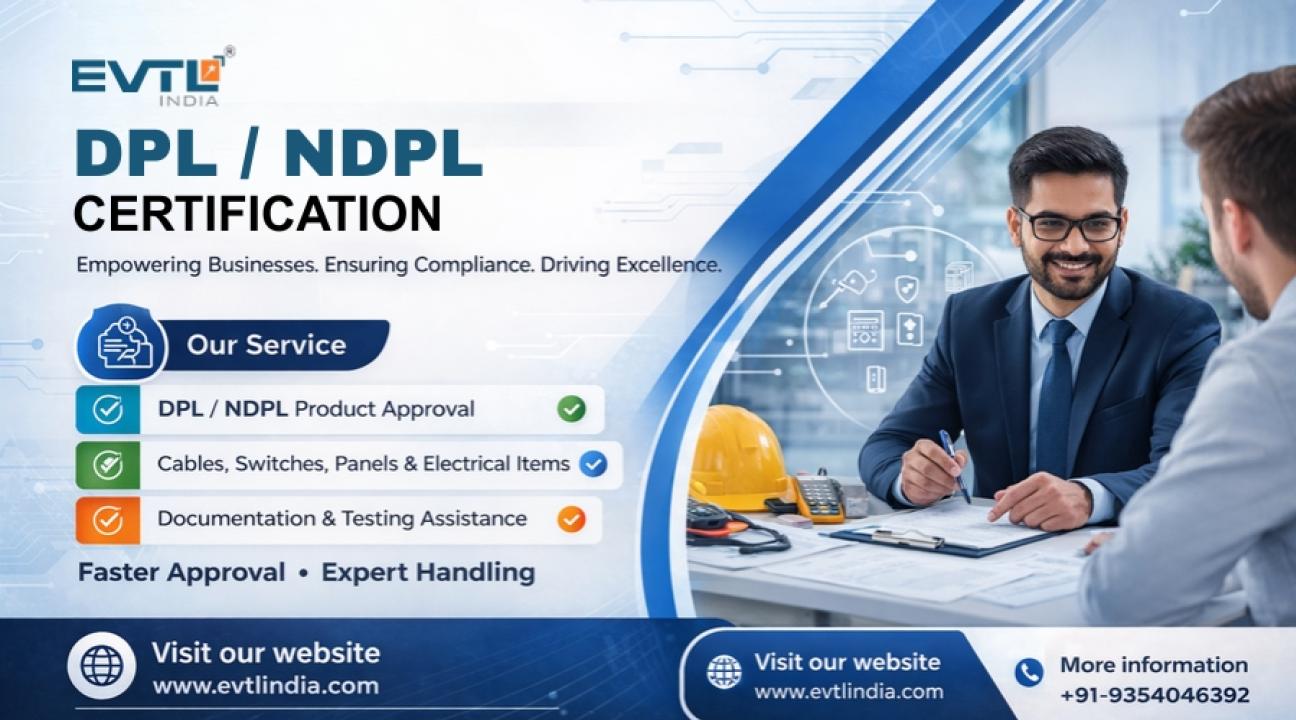
EVTL India is one of the leading BIS Consultant in India , helping manufacturers obtain their BIS licences hassle-free.DPL/NDPL Certification is an essential requirement for businesses dealing with or using electrical equipment in India. Whether it is Dealer Possession License Registration for traders or Non-Dealer Possession License Registration for users, both licenses ensure safety, compliance, and smooth business operations.
Navigating the certification process can be challenging without proper guidance. EVTL India offers expert consultancy services for DPL and NDPL licenses, assisting businesses with documentation, application, and approvals to ensure a hassle-free and efficient certification process.