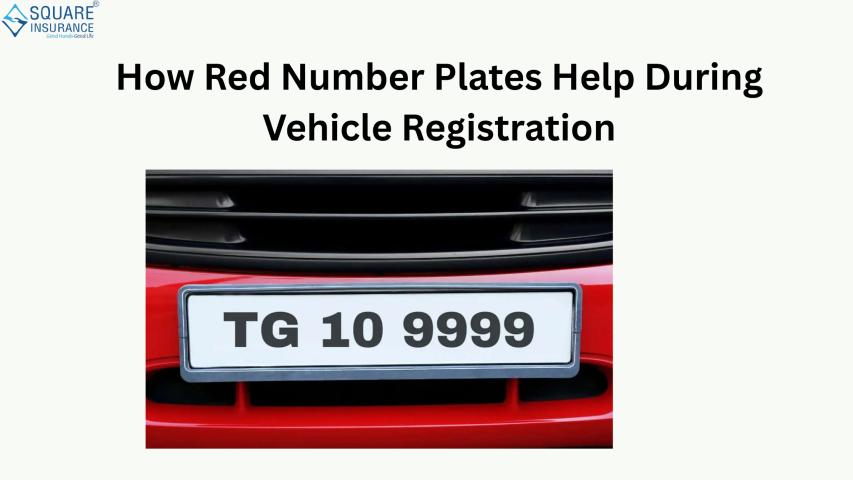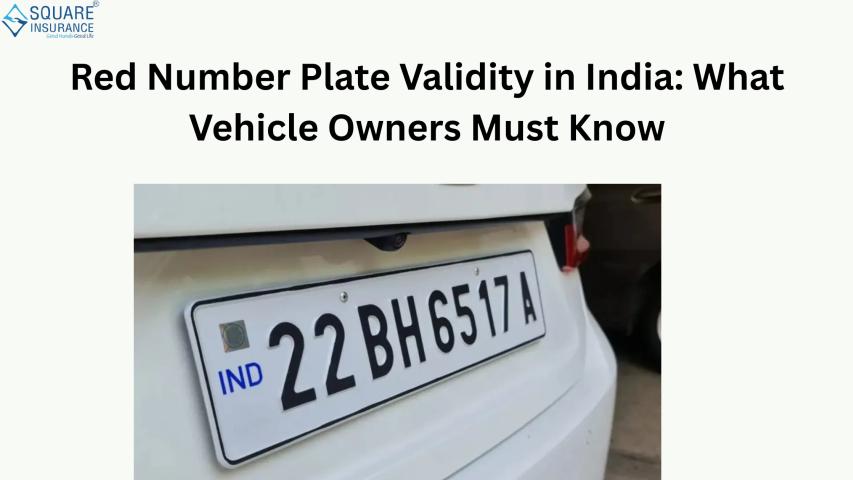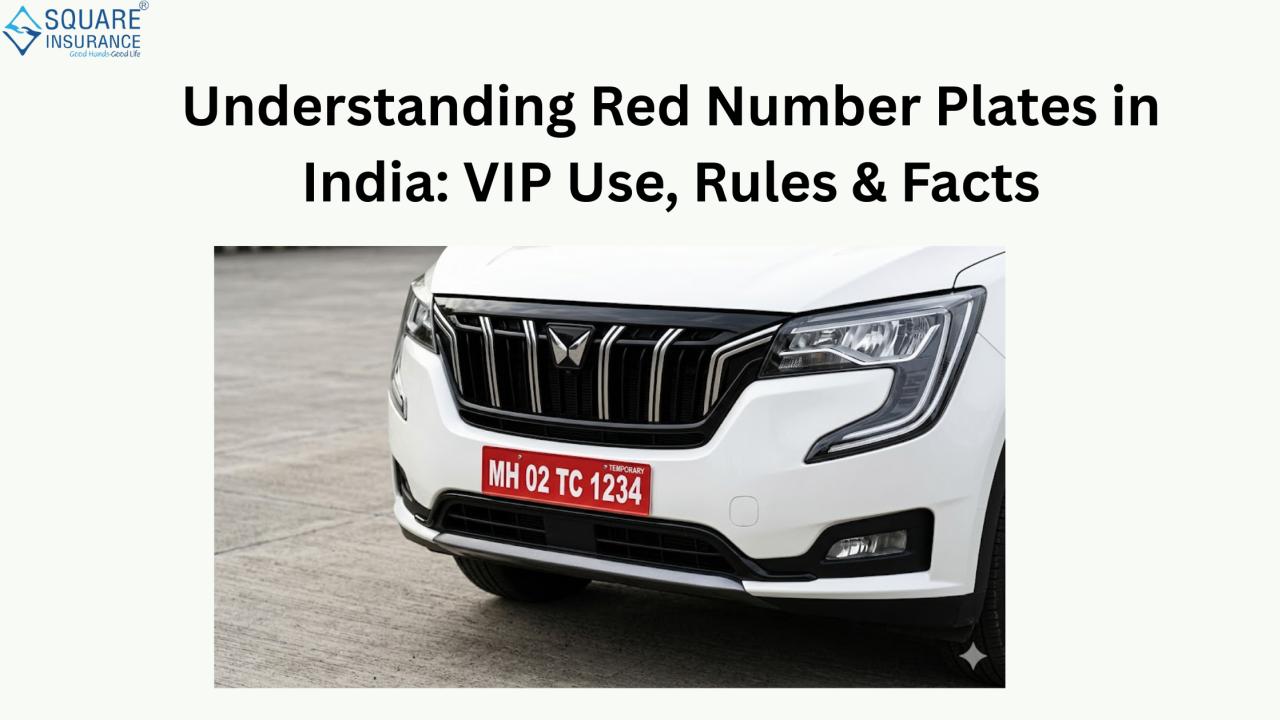
Vehicle registration plates in India follow a standardized format, but variations in color often indicate specific purposes or categories of vehicles. When discussing Red Number Plates in India, these plates frequently spark curiosity and confusion. Many people associate them with VIPs or government officials, while others assume they signify temporary registration. The reality, however, is more nuanced.
What
is a Red Number Plate in India?
A red number plate in India
typically indicates a temporary
registration issued to a vehicle that has recently been purchased but is
yet to receive a permanent registration number from the Regional Transport
Office (RTO).
These plates are usually characterized
by:
- Red background or red text
- Temporary registration number
- Limited validity period
Contrary to popular belief, red
number plates are not primarily meant for VIPs. Instead, they are a
transitional identification system used until permanent registration is
completed.
Who
Uses Red Number Plates?
1.
Newly Purchased Vehicle Owners
When you buy a new car or bike, the
dealer provides a temporary registration number, often displayed on a red
plate. This allows you to legally drive the vehicle while awaiting permanent
registration.
2.
Vehicle Dealers
Dealers may use red plates for
demonstration vehicles or for transporting vehicles before registration is
finalized.
3.
Special Cases (VIP Misconception)
While some high-profile individuals
may be seen using red plates temporarily, it is not a VIP privilege. All vehicle
owners—regardless of status—must follow the same registration rules.
Validity
of Red Number Plates
Temporary registration in India is
generally valid for:
- Up to 30 days
During this period, the vehicle
owner must complete the permanent registration process with the RTO. Driving a
vehicle with an expired temporary number plate is illegal and can result in
penalties.
Rules
Governing Red Number Plates
The use of red number plates is regulated
under the Motor Vehicles Act and guidelines issued by the Ministry of Road
Transport and Highways.
Key
Rules Include:
- Temporary registration must be obtained at the time of
purchase
- The number must be clearly displayed on the vehicle
- Validity cannot be extended beyond the permitted period
without approval
- Permanent registration must be completed within the
validity window
Failure to comply with these rules
can lead to fines, vehicle seizure, or legal complications.
Difference
Between Red and Other Number Plates
Understanding how red plates differ
from other types helps clarify their purpose:
- White Plate
– Private vehicles
- Yellow Plate
– Commercial vehicles
- Green Plate
– Electric vehicles
- Red Plate
– Temporary registration
Each color serves a specific
regulatory purpose, ensuring easy identification and enforcement.
Insurance
Requirements for Vehicles with Red Number Plates
Insurance plays a crucial role even
during the temporary registration phase. In India, it is mandatory to have at
least third-party motor insurance before driving any vehicle on public roads.
Why
Insurance is Important:
- Protects against third-party liabilities
- Covers accidental damages
- Ensures legal compliance
Most insurers provide coverage
starting from the day of purchase, even before permanent registration is
issued.
Types
of Insurance to Consider:
- Third-Party Insurance
– Mandatory by law
- Comprehensive Insurance – Covers own damage and third-party risks
- Add-ons
– Zero depreciation, engine protection, roadside assistance
Having proper insurance during the
red plate phase ensures uninterrupted protection.
Penalties
for Misuse of Red Number Plates
Using red number plates incorrectly
can attract strict penalties. Common violations include:
- Driving with an expired temporary number
- Not displaying the number properly
- Using fake or unauthorized plates
Penalties may include fines, legal
action, and even vehicle impoundment.
How
to Convert Red Plate to Permanent Registration
The transition from temporary to
permanent registration involves a few essential steps:
Step
1: Submit Documents
- Identity proof
- Address proof
- Vehicle invoice
- Insurance documents
Step
2: Pay Registration Fees
Fees vary depending on vehicle type
and state.
Step
3: Vehicle Inspection
The RTO may inspect the vehicle for
compliance.
Step
4: Receive Permanent Number
Once approved, a permanent
registration number is issued, and the red plate is replaced.
Conclusion
Red number plates in India are a
temporary but essential part of the vehicle registration process. They are not
symbols of privilege but practical tools that allow new vehicle owners to
legally use their vehicles while completing formalities. Understanding their
purpose, validity, and legal implications is crucial for every vehicle owner.
Equally important is securing the
right insurance coverage during this period. Comprehensive protection ensures
peace of mind and financial safety, especially for new vehicle owners navigating
the early stages of ownership. Choosing a reliable provider like Square
Insurance can help you stay protected and compliant from day one.
FAQ
1.
What does a red number plate mean in India?
It indicates temporary vehicle
registration issued before permanent registration is completed.
2.
Can I drive anywhere with a red number plate?
Yes, but only within the validity
period and with proper documents and insurance.
3.
Are red number plates only for VIPs?
No, they are issued to all new
vehicle owners regardless of status.
4.
How long is a red number plate valid?
Typically up to 30 days from the
date of issue.
5.
Is insurance mandatory for vehicles with red plates?
Yes, at least third-party insurance
is required by law.
6.
What happens if I don’t convert to permanent registration?
You may face penalties, fines, or
legal action.