Introduction to Agentic Coding vs Vibe Coding
Artificial intelligence is transforming the way software is built. Developers are no longer writing every line of code manually; instead, they are working alongside AI tools that can generate, optimize, and even execute code. This shift has introduced a new comparison in modern development: agentic coding vs vibe coding.
These two approaches reflect different ways of using AI in coding. Agentic coding focuses on structured, goal-driven execution, while vibe coding is more about flexibility, creativity, and real-time collaboration with AI. Understanding the difference is important for businesses and developers who want to build efficient and scalable solutions.
What is Agentic Coding?
Agentic coding is a method where AI acts like an autonomous agent that can complete tasks with minimal human involvement. In this approach, the developer defines a clear objective, and the AI follows a structured process to achieve it.
This process can include writing code, running tests, fixing bugs, and even deploying applications. Agentic coding is highly organized and works best when tasks are clearly defined and require consistency and accuracy.
What is Vibe Coding?
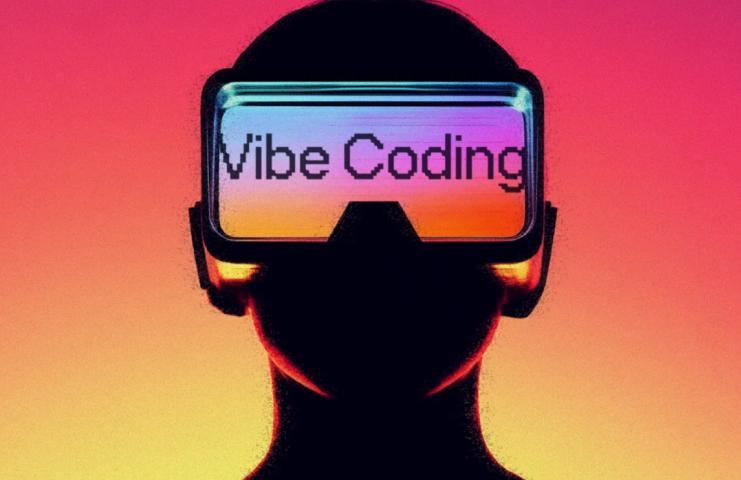
Vibe coding is a more flexible and interactive way of working with AI. Instead of giving strict instructions, developers communicate ideas, experiment, and refine outputs through continuous interaction.
This approach feels more like a collaboration. Developers guide the AI step by step, making changes and improvements as they go. Vibe coding is especially useful for brainstorming, prototyping, and creative problem-solving.
Core Difference Between Agentic Coding and Vibe Coding
The key difference between agentic coding vs vibe coding lies in how AI is used. Agentic coding is structured, systematic, and goal-oriented. Vibe coding, on the other hand, is fluid, creative, and driven by exploration.
Agentic coding focuses on control and automation, while vibe coding focuses on speed and creativity. One ensures precision, while the other encourages innovation.
How Agentic Coding Works in Practice
In agentic coding, the workflow starts with a clear goal. For example, if a developer wants to build a backend system, they define the requirements, and the AI agent takes over.
The AI can generate code, create test cases, identify errors, and fix them. It follows a step-by-step process, ensuring that the final output is consistent and reliable. This makes agentic coding ideal for complex systems where accuracy is critical.
How Vibe Coding Works in Practice
In vibe coding, the process is more dynamic. Developers interact with AI tools using prompts and feedback. Instead of following a strict plan, they explore ideas and refine outputs continuously.
For example, a developer building a prototype can describe a feature, get instant code suggestions, tweak them, and improve the design in real time. This makes vibe coding fast and highly adaptable.
Benefits of Agentic Coding
Agentic coding offers several advantages, especially for structured projects. It provides better control over development, ensuring that tasks are completed accurately and consistently.
It also reduces manual effort by automating repetitive tasks such as testing and debugging. This makes it highly efficient for large-scale applications where reliability and scalability are important.
Benefits of Vibe Coding
Vibe coding is beneficial for projects that require speed and creativity. It allows developers to quickly turn ideas into working solutions without spending too much time on planning.
This approach encourages experimentation, making it easier to test new ideas and innovate. It is especially useful for startups and teams working on early-stage products.
Limitations of Agentic Coding
Despite its advantages, agentic coding has some limitations. It can be rigid, as it relies on predefined workflows and clear instructions.
Setting up these workflows can take time, and it may not be suitable for projects that require frequent changes or creative exploration.
Limitations of Vibe Coding
Vibe coding also comes with challenges. Since it lacks structure, it can lead to inconsistent or unoptimized code.
It is not ideal for large-scale systems where precision and reliability are critical. Without proper control, errors may go unnoticed.
When to Use Agentic Coding
Agentic coding is best suited for projects that require structure and scalability. This includes enterprise applications, complex backend systems, and long-term projects.
It is also useful in situations where compliance, accuracy, and consistency are important.
When to Use Vibe Coding
Vibe coding is ideal for projects that require speed and flexibility. It works well for prototyping, MVP development, and creative applications.
It is especially useful when developers need to quickly test ideas and make rapid changes.
Combining Agentic Coding and Vibe Coding
In many cases, the best approach is to use both methods together. Developers can start with vibe coding to explore ideas and build prototypes. Once the concept is finalized, they can switch to agentic coding to scale and structure the solution.
This hybrid approach allows teams to balance creativity with control, making development more efficient and effective.
Future of AI-Driven Coding Approaches
As AI continues to evolve, both agentic coding and vibe coding will play important roles in software development. Tools will become more advanced, offering better automation and more intuitive collaboration.
The future will likely involve a combination of both approaches, where developers can seamlessly switch between structured execution and creative exploration.
Conclusion
The comparison of agentic coding vs vibe coding highlights two different ways of using AI in development. Agentic coding focuses on structure, control, and scalability, while vibe coding emphasizes creativity, speed, and flexibility.
Choosing the right approach depends on the project’s needs. For large and complex systems, agentic coding is the better choice. For rapid development and innovation, vibe coding is more effective.
Ultimately, understanding both approaches allows developers and businesses to make better decisions and build smarter, more efficient software solutions in the AI-driven era.