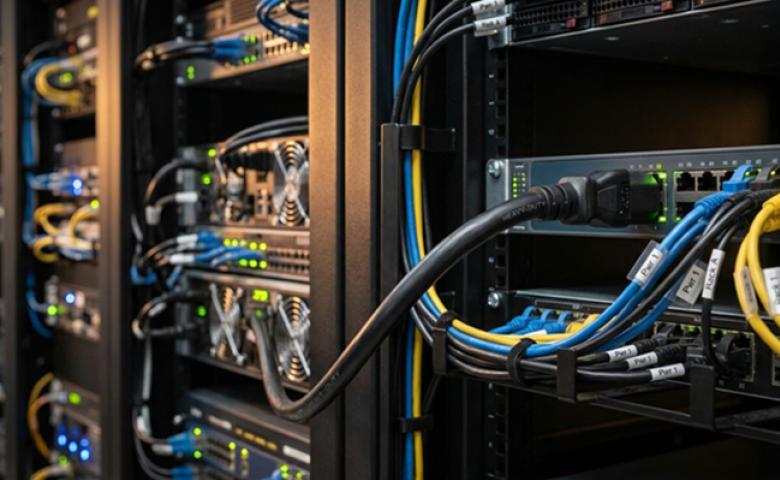
If you have ever set up a server rack, a UPS system, or any kind of professional IT equipment, chances are you have come across the C14-to-C13 power cord at some point. It looks simple enough just a cable with two ends but picking the wrong one can cause real problems down the line. Whether you are building a home lab or managing an enterprise data center, understanding what this cord does and what to look for when buying it can save you time, money, and a lot of frustration.
So let us break it down in plain terms.
What Is a C14-to-C13 Power Cord?
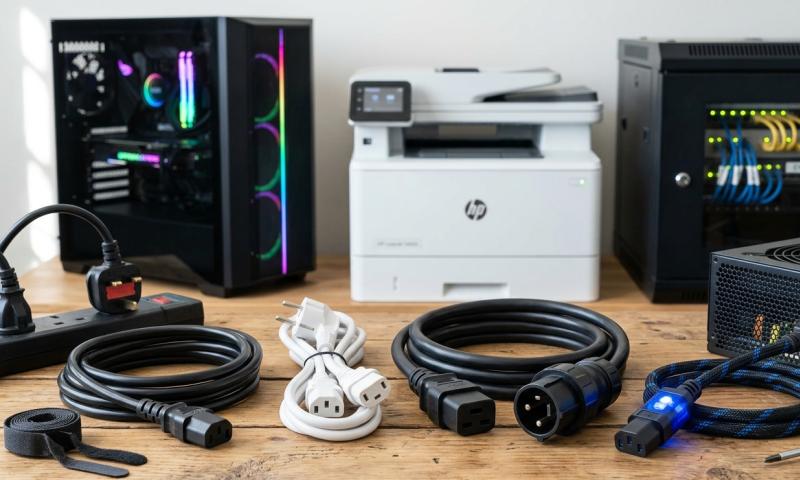
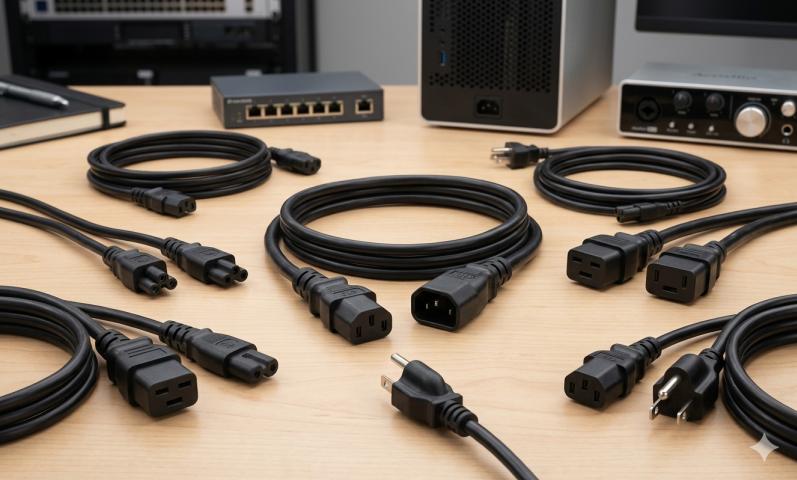
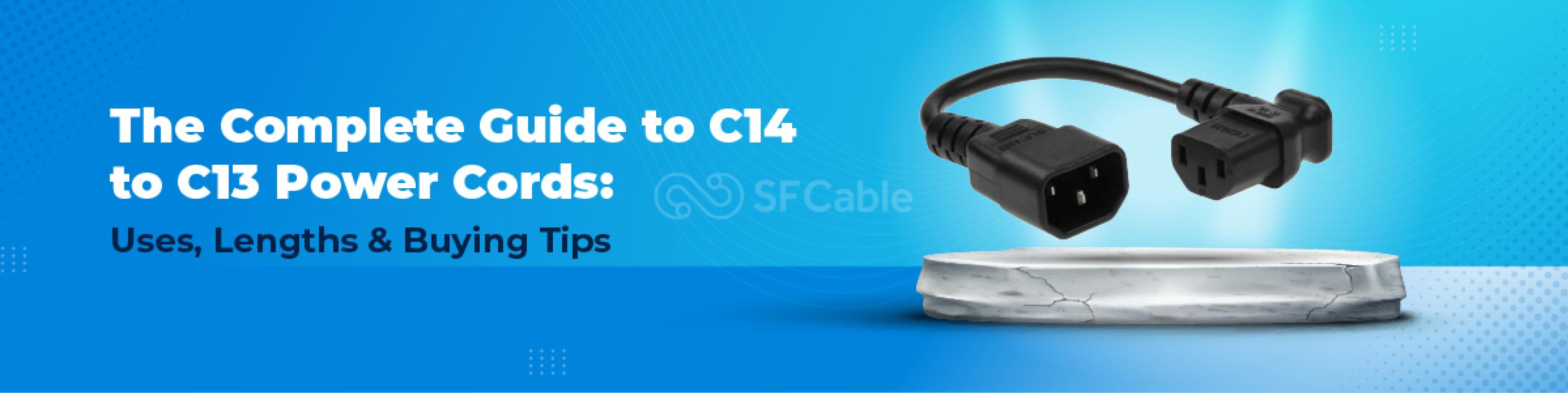
The C14-to-C13 power cord is a type of power cable that connects equipment with a C14 inlet to a power source with a C13 outlet, or vice versa. These connectors follow the IEC 60320 standard, which is an international standard for power supply couplers. The C14 is a male inlet connector meaning it has three prongs and the C13 is a female outlet connector, meaning it receives those prongs. Together, they form one of the most common power connections in the IT world.
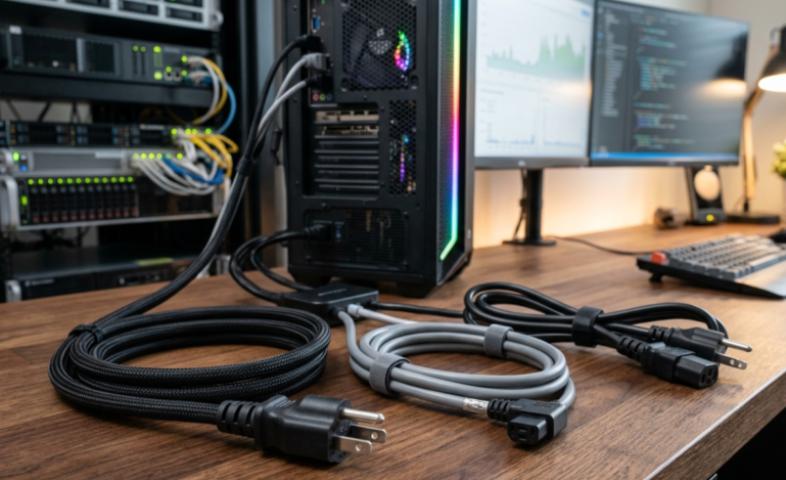
You will find C14 inlets on PDUs (Power Distribution Units), UPS devices, and some monitors or older computers. The C13 end is what plugs into those inlets, while the other end can go into a wall outlet or another piece of equipment.
Where Is It Used?
The C14-to-C13 power cord is used almost everywhere in data centers and server rooms. It is the standard cord that runs from a PDU to individual servers, switches, and network equipment. You will also find it in home labs, AV setups, and office environments wherever rack-mounted equipment needs power.
One thing people often overlook is that these cords come in different amperage ratings typically 10A or 15A and different wire gauges. Using a cord with too low an amperage rating for your equipment is a safety hazard. Always check the power requirements of your device before buying.
What Lengths Are Available?
C14-to-C13 power cords come in a surprisingly wide range of lengths, from as short as 1 foot to as long as 15 feet or more. Shorter cords (1 to 3 feet) are ideal for keeping cable runs tidy inside a server rack. Longer ones are useful when the power source is farther away from the equipment.
If you are organizing a rack, it is worth measuring the distance between each device and your PDU before ordering cords. A rack full of cables that are too long creates a management nightmare, while cords that are too short can put stress on connectors.
Key Things to Check Before Buying
Amperage rating: Make sure the cord matches or exceeds the power draw of your equipment. A 10A cord should not be used with a device pulling close to its maximum.
Wire gauge: Lower gauge numbers mean thicker wire and higher current capacity. For most server applications, 18 AWG is common, but 16 AWG or 14 AWG may be needed for higher loads.
Cable length: As mentioned, measure before you order. Buying in bulk with consistent lengths makes your rack look clean and professional.
Build quality: Cheap cords may use lower quality connectors that loosen over time. Look for cords from reputable manufacturers, especially for production environments.
Color coding: Some facilities use different colored cords to indicate different power sources (A-side vs B-side, for example). Check if color matters for your setup.
Final Thoughts
The C14-to-C13 power cord may not be the most glamorous piece of tech you will ever buy, but it is one of the most important when it comes to keeping your equipment powered safely and reliably. Take the time to pick the right one and your setup will thank you for it.
Original Article :- Click Here