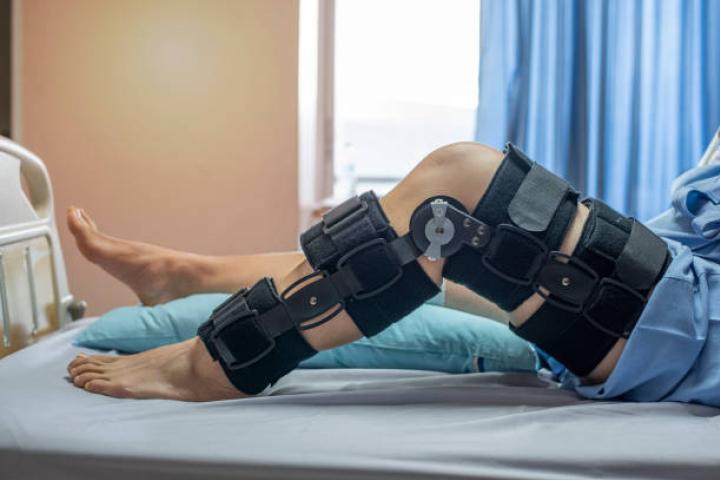
Stroke rehabilitation is an important part of recovery for many people following a stroke. Rehabilitation may involve a coordinated program designed around an individual's functional needs, goals, and stage of..
Recovering after a stroke can involve different physical and functional challenges, making individualized stroke rehabilitation important for supporting meaningful progress. Some individuals may need assistance with walking, balance, coordination, strength,..
Professional physiotherapy for stroke is one of the most effective ways to help stroke survivors regain movement, improve balance, strengthen muscles, and restore independence. Early rehabilitation combined with personalized exercise..
Comprehensive Physiotherapy for Stroke Patients is essential for helping stroke survivors recover movement, strength, and independence. Stroke often affects mobility, coordination, balance, and muscle control, making rehabilitation a critical part..
Professional stroke rehabilitation enables patients to recover movement, communication, balance, and daily living skills after a stroke. Successful rehabilitation requires individualized treatment plans, continuous monitoring, and coordinated care from multiple..
Quality stroke rehabilitation focuses on restoring strength, movement, speech, and daily living skills after a stroke. Each patient's recovery journey is unique, requiring individualized therapy plans designed by experienced rehabilitation..
Effective Stroke Rehabilitation requires a dedicated team of specialists working together to restore strength, mobility, speech, and functional independence. Every stroke affects individuals differently, making personalized rehabilitation programs essential for..
Recovering from a stroke is a journey that requires expert medical care, personalized therapy, and continuous support. Stroke Rehabilitation plays a vital role in helping survivors regain mobility, improve communication,..
Muscle weakness is one of the most common effects of stroke. Professional stroke rehabilitation focuses on rebuilding strength so patients can regain independence and perform daily activities with greater ease.Therapists..
The ultimate goal of physiotherapy for stroke is to help patients regain the ability to perform everyday activities independently. Functional recovery focuses on restoring practical skills that contribute to a..
Stroke rehabilitation is an important part of recovery for many people following a stroke. Rehabilitation may involve a coordinated program designed around an individual's functional needs, goals, and stage of..
Recovering after a stroke can involve different physical and functional challenges, making individualized stroke rehabilitation important for supporting meaningful progress. Some individuals may need assistance with walking, balance, coordination, strength,..
Professional stroke rehabilitation enables patients to recover movement, communication, balance, and daily living skills after a stroke. Successful rehabilitation requires individualized treatment plans, continuous monitoring, and coordinated care from multiple..
Quality stroke rehabilitation focuses on restoring strength, movement, speech, and daily living skills after a stroke. Each patient's recovery journey is unique, requiring individualized therapy plans designed by experienced rehabilitation..
Effective Stroke Rehabilitation requires a dedicated team of specialists working together to restore strength, mobility, speech, and functional independence. Every stroke affects individuals differently, making personalized rehabilitation programs essential for..
Recovering from a stroke is a journey that requires expert medical care, personalized therapy, and continuous support. Stroke Rehabilitation plays a vital role in helping survivors regain mobility, improve communication,..
Muscle weakness is one of the most common effects of stroke. Professional stroke rehabilitation focuses on rebuilding strength so patients can regain independence and perform daily activities with greater ease.Therapists..
Healing after surgery can feel tough for many people. The body needs proper care, movement, or support to rebuild strength with comfort or safety. Post Surgical Rehabilitation helps patients get..