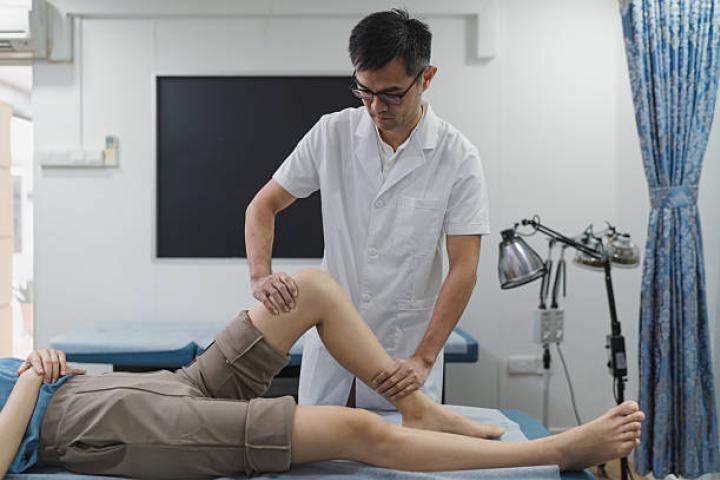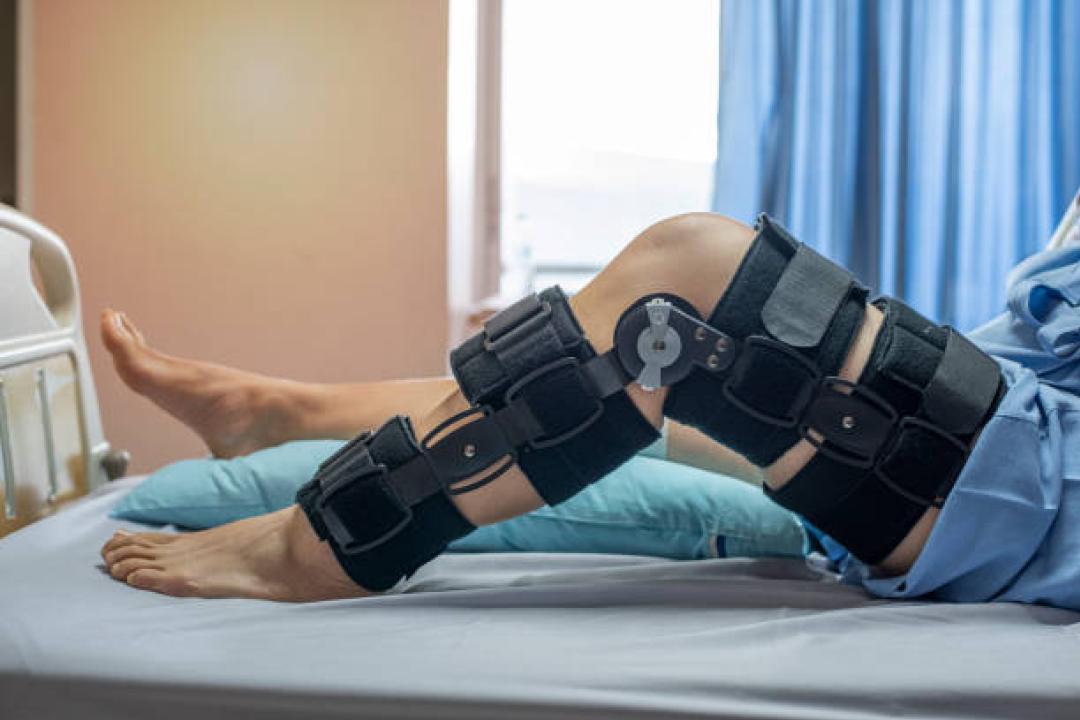
Healing after surgery can feel tough for many people. The body needs proper care, movement, or support to rebuild strength with comfort or safety. Post Surgical Rehabilitation helps patients get back into their normal lives. A proper recovery plan with deep detailing helps them physically or emotionally
Since every patient faces different needs, choosing the right programme takes careful thought. Factors such as staff skill, safety rules, treatment plans, or family support can shape the recovery journey or help patients move toward a healthier or more active life.
Look for a Clear Recovery Plan
A good programme should map each stage of healing. The care team should explain goals in simple words. Patients should know what to expect from each session. Clear guidance can reduce fear or help patients stay focused.
Signs of a Strong Plan
Clear steps for each week
Goals for strength or movement
Checks to track progress
Support for home care
Because healing shifts with time, the team should change the plan when the body needs a new pace. Small goals can also build hope during recovery.
Why Progress Tracking Matters
Recovery does not move in a straight line. Some days feel strong, while others feel slow. Regular checks can help the care team spot changes early. As a result, they can adjust exercises before pain grows worse.
Progress tracking may include:
Walking distance
Joint movement
Pain levels
Balance checks
Muscle strength
These checks can help patients notice growth, even when changes seem small.
Check the Skills of the Care Team
A skilled post op rehabilitation team can spot small changes before they grow into large issues. Each member should know how to guide safe movement after surgery.
What to Ask the Team
Which types of surgery do they handle?
How do they track pain or movement?
Do they teach safe lifting or walking?
Can they guide family members?
While skill matters, kindness shapes trust. Patients heal with more ease when they feel heard or safe.
Communication Builds Confidence
Good communication can shape the recovery journey. Patients should feel free to ask questions during sessions. The team should answer with clear or simple words.
Strong communication also helps patients:
Follow the exercises with care
Avoid unsafe movement
Understand healing goals
Build trust with therapists
When people understand their care plan, they often stay more committed to recovery.
Study the Range of Support
Some people need help with balance. Others need strength work or joint care. Because each body heals in its own way, the programme should cover many forms of care.
Helpful Forms of Support
Movement training
Strength work
Balance tasks
Stretch work
Pain care
Home exercise plans
A broad plan can suit more stages of healing. So, patients may avoid gaps in care.
Support for Different Types of Surgery
Each surgery creates different physical needs. Knee surgery may require balance work, while shoulder surgery may focus on arm movement. A flexible post surgical rehabilitation services in Singapore programme can shape care around the patient’s condition.
Common surgery types include:
Joint replacement
Spine surgery
Sports injury repair
Fracture repair
Heart surgery
The recovery plan should match the demands of the operation.
Focus on Safety or Clean Spaces
Clean rooms or safe tools guard the body from harm. Staff should guide each move with care. They should watch posture, pace, or pain during each session.
Key Safety Points
Clean floors or tools
Strong handrails
Safe exercise gear
Quick help in case of pain
Since recovery brings stress to the body, safety should stay at the centre of each visit.
Why Safe Movement Matters
Poor movement can slow healing. In some cases, it may even cause new injuries. Because of this, therapists should teach patients how to move with control.
Patients should learn:
Safe ways to stand
Proper walking posture
Correct lifting methods
Joint protection tips
These lessons can support healing inside or outside the clinic.
Think About Location or Access
Travel can drain strength after surgery. Because of this, the centre should sit near home or near public transport routes. Easy access can help patients keep each visit.
Some people seek post surgical rehabilitation services in Singapore because they want care close to work, school, or family. A short trip can save time or reduce strain on the body.
Features That Improve Access
Nearby parking
Lift access
Wheelchair-friendly paths
Public transport links
Flexible appointment hours
Easy access can remove stress from the healing process.
Ask About Family Support
Family members often help with meals, walking, or daily tasks. So, the programme should guide them with clear advice. Good support at home can lift comfort or reduce fear.
Helpful Family Guidance
Safe ways to help with movement
Signs of strain or pain
Home safety tips
Exercise support
When families join the healing path, patients often feel more secure.
Emotional Support During Recovery
Surgery can affect both the body or the mind. Some patients may feel stress, fear, or frustration during healing. Family support can help lift mood or encourage progress.
Helpful emotional support may include:
Positive encouragement
Help with daily routines
Calm conversation
Support during exercises
Strong emotional care can improve confidence during difficult stages of recovery.
Choose a Programme That Fits Long-Term Goals
Some people wish to walk with ease. Others hope to return to sport or work. Because goals differ, the care plan should match future needs. A strong post op rehabilitation programme should build strength, movement, or trust in the body. Yet the plan should move at a pace that suits the patient.
Setting Realistic Recovery Goals
Goals should be clear or practical. Small targets can help patients stay motivated during long recovery periods.
Examples of recovery goals include:
Climbing stairs without pain
Returning to work
Driving again
Playing sports
Carrying daily items with ease
Clear goals can help patients measure progress with confidence.
Conclusion
Choosing the right recovery programme can change the healing journey after surgery. Post Surgical Rehabilitation helps patients regain movement, rebuild strength, or carry out daily tasks with confidence. A strong programme should focus on safety, clear guidance, skilled care, or long-term health goals. Patients should also seek good communication, family support, or simple home care during recovery. Since healing takes patience or steady effort, the right care plan can reduce stress or encourage progress. With proper support or commitment, patients can return to daily life with greater comfort, strength, or independence.
FAQs
1. How long can healing after surgery take?
Healing time changes from person to person. Some people bounce back within weeks, while others need a few months. Good rest, healthy food, and regular movement can help the body recover with greater strength and comfort.
2. Why do recovery exercises help after surgery?
Recovery exercises wake up weak muscles, loosen stiff joints, and improve balance. They also boost blood flow through the body. Simple guided movements can help patients handle daily tasks with more ease and a lower chance of injury.
3. How can family members support recovery?
Family members can lift recovery by helping with meals, walking, and daily chores. They can also cheer on exercises and create a safe space at home. Kind support often helps patients feel calmer and stronger during healing.
4. What should patients carry to recovery sessions?
Patients should bring comfortable clothes, strong footwear, water, and medical papers to each session. Some people may also carry walking aids if needed. These items can support safe movement and help patients feel more relaxed during treatment.