Surgery is becoming increasingly digital, personalized, and precise. One of the most important technologies driving this transformation is Virtual Surgical Planning (VSP). Instead of making every critical decision inside the operating room, surgeons can now use patient-specific imaging and 3D digital models to plan complex procedures.
Virtual Surgical Planning uses medical imaging, 3D reconstruction, computer-aided design, and surgical simulation to create a detailed digital roadmap for an operation. This approach can be especially valuable when anatomy is complex or significantly altered by trauma, tumors, congenital deformities, or previous surgery.
For surgeons, the real advantage is preparation. A difficult procedure can be evaluated virtually before the patient enters the operating room. Implant position can be assessed, osteotomies can be planned, and potential challenges can be identified earlier.
As healthcare moves toward precision medicine, VSP is becoming an important component of modern orthopedic, cranio-maxillofacial, trauma, oncology, and reconstructive surgery.
What Is Virtual Surgical Planning?
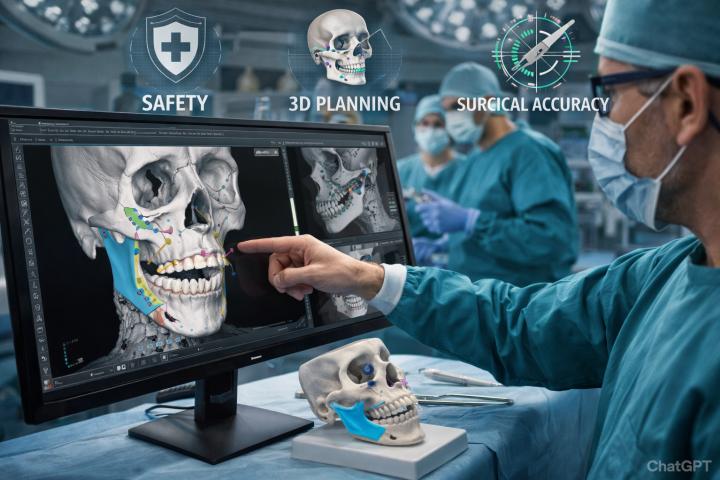
Virtual Surgical Planning is a digital preoperative process that allows surgeons to simulate and optimize a surgical procedure using patient-specific medical imaging.
The workflow typically starts with CT or other appropriate imaging data. Engineers and surgical teams then create a three-dimensional representation of the patient's anatomy. This digital model can be used to evaluate the planned intervention, including bone movement, resection, implant positioning, and fixation.
A typical VSP workflow includes:
- Medical imaging
- Image segmentation
- 3D anatomical reconstruction
- Surgical simulation
- Implant or guide planning
- Surgeon review
- Final digital approval
The objective is simple: plan as much as possible before surgery so the surgical team can execute the approved strategy with greater confidence.
Why Is Virtual Surgical Planning Important?
Traditional planning methods remain valuable, but complex surgery can present challenges that are difficult to fully visualize using conventional two-dimensional imaging alone.
VSP gives surgeons a three-dimensional view of the anatomy and allows them to test the planned approach before surgery.
This can support:
- Better visualization of complex anatomy
- More precise surgical planning
- Improved implant positioning
- Greater consistency between planning and execution
- Reduced intraoperative uncertainty
- Better communication among multidisciplinary teams
Importantly, VSP does not replace clinical judgment. Instead, it gives surgeons another powerful tool for making and executing informed decisions.
7 Ways Virtual Surgical Planning Is Transforming Surgery
1. It Creates a Patient-Specific Surgical Roadmap
Every patient has unique anatomy. A fracture, bone defect, tumor, or previous operation can further change the normal anatomical landmarks.
Virtual Surgical Planning creates a digital roadmap based on the individual patient rather than a generic surgical model.
Surgeons can evaluate:
- Bone geometry
- Defect dimensions
- Anatomical relationships
- Implant location
- Fixation strategy
This personalized approach is particularly valuable for complex cases where small differences in anatomy can influence the procedure.
2. It Improves Surgical Precision
Precision matters when surgeons need to make controlled bone cuts, position implants, or reconstruct complex anatomical structures.
During virtual planning, the surgical team can determine osteotomy locations, implant positions, and drilling trajectories before surgery.
When this digital plan is translated into the operating room using appropriate surgical guides or navigation tools, it can help improve the consistency of surgical execution.
For complex reconstructive procedures, this can be a major advantage.
3. It Helps Reduce Intraoperative Uncertainty
A surgeon may encounter unexpected anatomical challenges during surgery, particularly in revision or reconstruction cases.
Virtual Surgical Planning provides an opportunity to anticipate many of these issues beforehand.
For example, the team can examine:
- Where healthy bone remains
- Where fixation may be difficult
- How much bone may need to be resected
- Where an implant should be positioned
- How different reconstruction options compare
This preparation can reduce the amount of trial-and-error decision-making required during the procedure.
4. It Supports Patient-Specific Implants
VSP and Patient-Specific Implants naturally complement each other.
Once the surgical team determines the desired reconstruction digitally, engineers can design an implant around the planned anatomy and surgical requirements.
This workflow can connect:
CT Imaging → 3D Reconstruction → Virtual Planning → Implant Design → Manufacturing → Surgery
For complex pelvic, cranial, mandibular, and other reconstructive procedures, this integrated approach can provide a highly personalized treatment strategy.
5. It Can Improve Operating Room Efficiency
Complex procedures may require significant intraoperative adjustment when standard implants or conventional planning methods are used.
When the surgical strategy and implant positioning are determined before surgery, the team can enter the operating room with a clearly defined plan.
Potential benefits include:
- Less time spent on implant modification
- More predictable bone preparation
- Faster decision-making
- Better coordination among team members
The actual impact on operating time varies by procedure, patient anatomy, and surgical workflow, so VSP should be evaluated according to the specific clinical application.
6. It Enhances Communication Between Surgical Teams
Complex surgery often involves multiple professionals, including surgeons, radiologists, biomedical engineers, implant designers, and operating room staff.
A shared 3D digital model creates a common reference point.
Instead of discussing anatomy only through conventional imaging, the team can visualize the same surgical plan and discuss:
- Resection boundaries
- Implant position
- Fixation points
- Reconstruction strategy
- Surgical approach
This can improve collaboration and reduce misunderstandings during the planning process.
7. It Supports Better Personalized Patient Care
VSP is part of the broader movement toward personalized medicine.
Rather than adapting a standardized treatment to every patient, healthcare teams can use patient-specific imaging to build an individualized plan.
This is especially relevant in:
- Orthopedic reconstruction
- Cranio-maxillofacial surgery
- Orthognathic surgery
- Trauma reconstruction
- Oncology surgery
- Revision procedures
The more complex the anatomy, the greater the potential value of detailed preoperative digital planning.
Clinical Applications of Virtual Surgical Planning
Orthopedic Surgery
VSP can support complex fracture reconstruction, pelvic procedures, deformity correction, tumor reconstruction, and revision surgery.
Cranio-Maxillofacial Surgery
It is widely relevant to mandibular reconstruction, maxillary surgery, orbital reconstruction, cranial defects, and facial trauma.
Orthognathic Surgery
Digital planning can help surgeons evaluate jaw movements, skeletal relationships, and postoperative alignment before treatment.
Oncology Reconstruction
For selected tumor cases, virtual planning can support resection and reconstruction strategies while helping the surgical team visualize the remaining anatomy.
Trauma Surgery
Severe trauma can distort normal anatomical landmarks. Three-dimensional planning provides a more complete view of the affected structure.
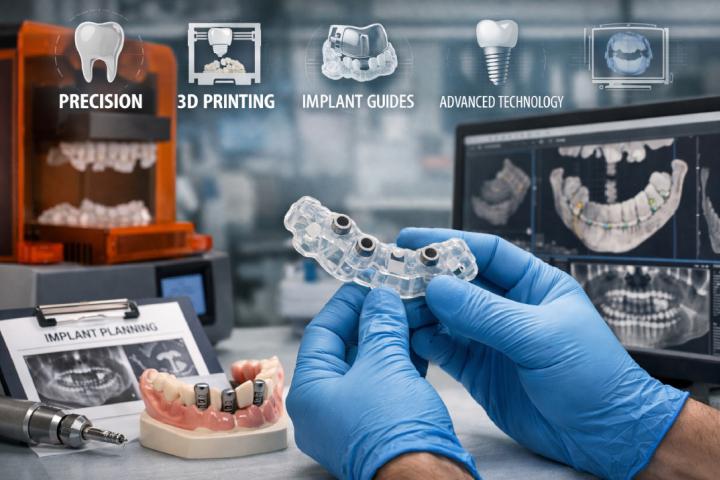
The Role of 3D Printing in Virtual Surgical Planning
VSP becomes even more useful when combined with medical 3D printing.
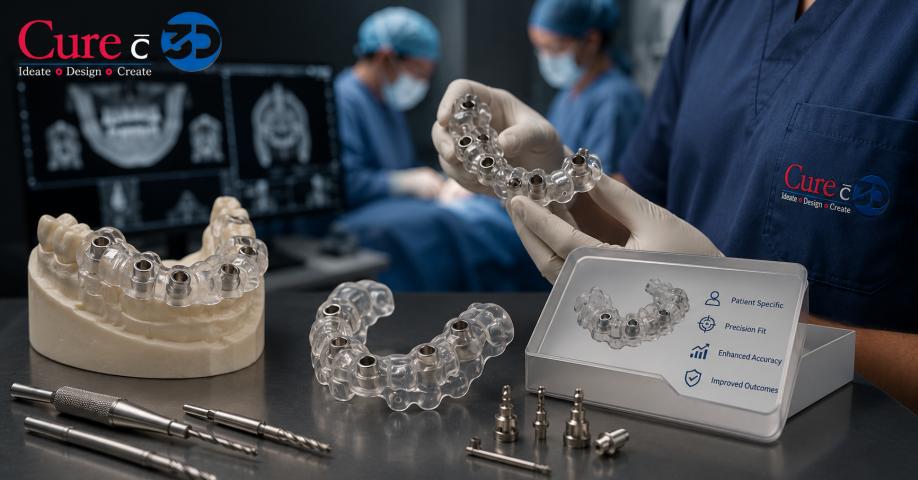
Once a digital plan is approved, it can be used to produce physical tools and models such as:
- Anatomical models
- Cutting guides
- Drilling guides
- Positioning guides
- Patient-specific implants
This allows the surgical team to move from a digital simulation to a physical surgical solution.
For selected procedures, 3D printed surgical guides can help translate the planned osteotomy, drilling, or positioning strategy into the operating room.
What Are the Main Benefits for Surgeons?
For surgeons, VSP can provide a more controlled and structured preoperative workflow.
Key advantages include:
- Better anatomical understanding
- Preoperative rehearsal
- Customized surgical strategy
- Improved implant planning
- Enhanced communication
- Reduced uncertainty
- Greater confidence in complex cases
These benefits are particularly relevant when standard approaches cannot fully address unusual anatomy.
What Are the Benefits for Patients?
When clinically appropriate, a well-planned digital workflow may support:
- More accurate reconstruction
- Better implant positioning
- More efficient surgery
- Improved functional restoration
- Better aesthetic planning in selected cases
- More personalized treatment
However, outcomes depend on many factors, including patient condition, surgeon expertise, imaging quality, implant design, and postoperative care.
Frequently Asked Questions
1. What is Virtual Surgical Planning?
Virtual Surgical Planning is a digital preoperative process that uses patient-specific imaging and 3D models to simulate and optimize a surgical procedure before the actual operation.
2. Which surgeries use Virtual Surgical Planning?
VSP is commonly used in selected orthopedic, cranio-maxillofacial, orthognathic, trauma, oncology, spinal, and reconstructive procedures.
3. How does VSP improve surgical accuracy?
It allows surgeons to digitally evaluate anatomy, plan bone cuts, assess implant positioning, and determine surgical strategies before entering the operating room.
4. Can Virtual Surgical Planning be used with Patient-Specific Implants?
Yes. VSP can be integrated with patient-specific implant design to create a customized reconstruction based on the patient's anatomy and surgical plan.
5. Does Virtual Surgical Planning reduce operating time?
It can improve operating room efficiency by reducing intraoperative decision-making and implant modification in selected procedures, although the effect varies by case.
How Curewith3D Supports Virtual Surgical Planning
At Curewith3D, Virtual Surgical Planning is integrated with advanced medical imaging, digital engineering, 3D anatomical modeling, and patient-specific technologies. The team works with healthcare professionals to develop digital surgical strategies for complex orthopedic, cranio-maxillofacial, trauma, oncology, and reconstructive cases.
By connecting planning with customized implants, surgical guides, and medical 3D printing, Curewith3D supports a structured digital workflow from patient imaging through surgical preparation.
Conclusion
Virtual Surgical Planning is transforming modern surgery by moving critical decision-making from the operating room to the digital planning stage. Through patient-specific imaging, 3D visualization, surgical simulation, and advanced engineering, surgeons can better understand complex anatomy and develop more precise surgical strategies.
From orthopedic reconstruction and cranio-maxillofacial surgery to trauma and oncology, VSP provides an increasingly valuable tool for personalized surgical care. When combined with patient-specific implants, 3D printed surgical guides, and medical 3D printing, it creates a powerful digital pathway for precision-focused treatment.
As digital healthcare continues to advance, Curewith3D remains focused on supporting healthcare professionals with personalized surgical planning and precision-driven technologies designed around the needs of each patient.