Home entertainment has evolved dramatically over the past few decades, and gaming consoles have played a central role in that transformation. What once began as simple devices designed for basic gameplay has now become a powerful ecosystem that combines gaming, streaming, communication, and immersive experiences. From family living rooms to personal gaming setups, consoles have redefined how people relax, connect, and engage with digital content.
In the early days, gaming consoles were mainly about fun and competition, but today they offer far more. With access to Nintendo Switch Games, streaming platforms, and online communities, modern consoles have become a cornerstone of home entertainment, bringing everything together in one place.
The Early Days of Console Gaming
The journey of gaming consoles started with simple systems that offered limited graphics and gameplay. Early consoles focused on delivering straightforward entertainment, often featuring basic controls and pixelated visuals. Despite their simplicity, these devices created a new way for families to spend time together at home.
Living rooms became gathering spaces where friends and family could compete, cooperate, and enjoy shared experiences. This was the beginning of interactive entertainment, replacing passive forms like television.
From Simple Gameplay to Immersive Experiences
As technology advanced, gaming consoles evolved rapidly. Improved graphics, better sound systems, and enhanced processing power transformed gaming into a more immersive experience. Players were no longer limited to simple games; they could explore vast worlds, follow complex stories, and engage in realistic gameplay, with titles like Best 40+ Nintendo Switch Games showcasing how diverse and advanced modern gaming libraries have become.
This shift changed expectations for home entertainment. Instead of just watching content, users could actively participate in it. Gaming became more engaging, offering emotional depth and interactive storytelling that traditional media couldn’t match.
Consoles as Multimedia Hubs
Modern gaming consoles are no longer just gaming devices; they are complete multimedia hubs. Users can stream movies, watch TV shows, listen to music, and even browse the internet, all from one system. This integration has simplified home entertainment by reducing the need for multiple devices.
Streaming services have become a major part of console functionality. Instead of switching between different gadgets, users can access everything through a single interface. This convenience has made consoles an essential part of modern households.
The Rise of Online Connectivity
One of the most significant changes brought by gaming consoles is online connectivity. Players can now connect with others across the world, turning gaming into a social experience. Multiplayer games, voice chats, and online communities have created a new form of digital interaction.
This shift has redefined how people socialize at home. Friends no longer need to be physically present to play together. Online gaming has bridged distances, allowing people to build friendships and communities through shared experiences.
Impact on Social Interaction
Gaming consoles have transformed social interaction in unique ways. While earlier forms of entertainment were often passive, consoles encourage active participation and collaboration. Whether playing cooperative games or competing online, users are constantly engaging with others.
This has led to the rise of gaming as a social platform. Players share achievements, stream gameplay, and communicate in real time. For many, gaming consoles are not just entertainment devices; they are tools for connection and community building.
Changing the Living Room Experience
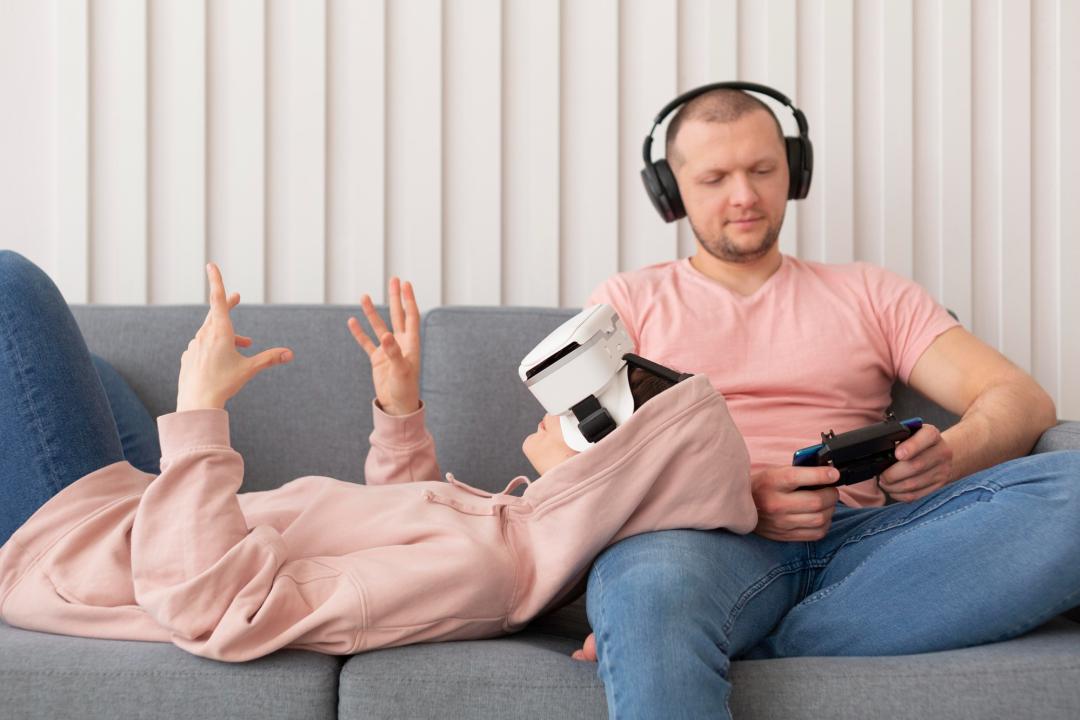
The presence of gaming consoles has reshaped the traditional living room. Televisions are no longer just for watching shows; they have become interactive screens powered by consoles. Families now gather not only to watch but also to play, compete, and explore digital worlds together.
This transformation has made entertainment more dynamic. Instead of being passive viewers, users are active participants. The living room has evolved into a space where technology and interaction merge seamlessly.
Accessibility and Convenience
Gaming consoles have made entertainment more accessible than ever. With user-friendly interfaces and easy setup, they cater to people of all ages and skill levels. Whether it’s a child playing a simple game or an adult exploring complex titles, consoles provide something for everyone.
Additionally, digital downloads and cloud services have eliminated the need for physical media. Users can access games and content instantly, making the experience more convenient and efficient.
The Role of Innovation
Innovation has been a driving force behind the success of gaming consoles. Features like motion controls, virtual reality, and cloud gaming have pushed the boundaries of what home entertainment can offer. These advancements continue to shape the future of gaming and entertainment.
Developers are constantly exploring new ways to enhance user experiences. From realistic graphics to interactive gameplay mechanics, innovation ensures that consoles remain relevant in a rapidly changing digital landscape.
Influence on Other Entertainment Industries
Gaming consoles have also influenced other forms of entertainment. The integration of storytelling, visuals, and interactivity has inspired filmmakers, content creators, and even educators. The line between gaming and other media has become increasingly blurred.
For example, interactive storytelling in games has influenced how narratives are presented in films and series. Similarly, streaming platforms have adopted features inspired by gaming, such as user interaction and personalized experiences.
The Future of Gaming Consoles
Looking ahead, gaming consoles are expected to continue evolving. With advancements in artificial intelligence, cloud technology, and virtual reality, the future of home entertainment looks more immersive and interconnected than ever.
Consoles may become even more integrated into daily life, offering experiences that go beyond gaming and streaming. From virtual social spaces to advanced interactive environments, the possibilities are endless.
Conclusion
Gaming consoles have fundamentally changed home entertainment by transforming it from a passive activity into an interactive and immersive experience. They have brought together gaming, streaming, and social interaction into a single platform, making them an essential part of modern life.
As technology continues to advance, consoles will likely play an even bigger role in shaping how people entertain themselves at home. What started as a simple gaming device has grown into a powerful hub of digital experiences, redefining entertainment for generations to come.