A significant turning point has been reached in the visual economy. The ability to create high-quality, economically viable images is now essential for organisations, as 90% of web data is visual and attention spans are evaluated in milliseconds. The advent of Nano Banana AI has fundamentally altered the generative environment as we navigate the challenges of 2026, establishing a complex ecosystem that prioritises enterprise-level scalability, organic realism, and structural integrity.
Beyond the "Prompt": The Engineering of Visual Logic
Early generative models were criticised primarily for lacking "physical reasoning." Numerous platforms functioned as sophisticated randomisers, producing images that initially were fantastic but broke down when you examined the anatomy, perspective, and lighting in greater detail. To address this, Nano Banana AI was developed using the "Visual Logic" framework.
Unlike standard diffusion models, the Nano Banana architecture features a 3D-aware latent space. This means that the AI is aware of how deep, how the material functions, and how light bends on the subject when a designer requests a complex piece of jewellery, a complex building facade, or a high-end product photo. This means one thing for professional LinkedIn users: reliability. You are commissioning a digital asset that adheres to professional photography standards and the laws of physics, not merely creating an image.
Nano Banana 2 vs. Pro: Adapting technology to the task
There is no one-size-fits-all solution in the corporate sector. The Nano Banana ecosystem is cleverly divided to satisfy the demands of many businesses:
Nano Banana 2 (The High-Speed Engine): Speed is crucial in the fields of rapid prototyping and social media management. The "Flash" approach, which provides results in a matter of seconds, is ideal for Nano Banana 2. For marketing companies who need to test 100 distinct visual concepts for a campaign before lunch, this is the ideal tool.
Professionals use Nano Banana Pro (The Cinematic Gold Standard) when they need a high-end editorial spread or a billboard in Times Square. A deeper neural network is used in this model to render micro-textures with surgical accuracy, such as the particular weave of a luxury fabric or the way light is scattered beneath the surface of human skin.
How to Address Professional Branding's "Uncanny Valley"
To gain consumers' trust, brands must be reliable. The "Identity Lock" characteristics of Nano Banana AI ensure that the atmosphere, product designs, and brand ambassadors remain consistent between sessions. With this degree of control, businesses can produce unified visual narratives without incurring the exorbitant expenses associated with traditional picture shoots.
Thanks to Nano Banana's high-resolution pipeline, a lone entrepreneur can now create a visual campaign that is on par with that of a worldwide creative agency. Everyone can now access high-end production thanks to this. Instead than handing authority to the wealthiest, it gives power to those with the most intriguing ideas.
The Generative Excellence ROI (Return on Investment)
The application of Nano Banana AI significantly alters Return on Investment (ROI) from a strategic perspective. The traditional method of creating content is expensive, time-consuming, and rigid. Content is transformed into a versatile asset by Nano Banana. Do you want to alter a scene's illumination from daylight to midnight? Completed in a matter of seconds. Would you want a tropical background instead of a cold one? It's just a straightforward modification to the prompt. This adaptability enables brands to stay abreast of market trends in real time, which is crucial in the rapidly evolving digital environment.
Frequently Asked Questions (FAQ) for Professionals
How does Nano Banana AI handle commercial rights and intellectual property?
The ecosystem is designed for use by professionals. Businesses can employ AI assets in profitable initiatives without worrying about copyright issues because all photos created at the Pro level come with complete commercial rights.
Can specific camera and lens settings be followed by the model?
Indeed. Professional photography and cinematography datasets were used to train Nano Banana Pro. It is capable of adhering to technical directives such as "85mm f/1.2 lens," "rim lighting," and "bokeh," allowing photographers to apply their abilities in the digital realm.
What is the Nano Banana models' training base?
Unlike previous models that employed "hallucinogenic" approaches, the models are trained on a carefully selected, high-quality dataset that emphasises anatomical accuracy and material realism.
Can photos be enhanced to a greater resolution using Nano Banana AI?
Indeed, without a doubt. A non-destructive upscaling pipeline can be applied to each created image. This ensures that the finished product is suitable for high-density digital screens or large prints and is prepared for 4K.
How can my team incorporate Nano Banana into our current workflow?
Adding Nano Banana's capabilities to your internal CMS or design tools is simple thanks to the platform's robust API for developers and straightforward web interface for creative teams.
To sum up, spearheading the generative revolution
People and machines will collaborate in the workplace of the future. The artist will not be replaced by Nano Banana AI. Rather, it will eliminate the technical issues that impede innovation. Professionals on LinkedIn have the opportunity to take the initiative. Future visual culture will be shaped by those who learn how to use these technologies today.
The Future of Visual Content: Why Nano Banana AI Is the Greatest Option for Digital Companies in 2026
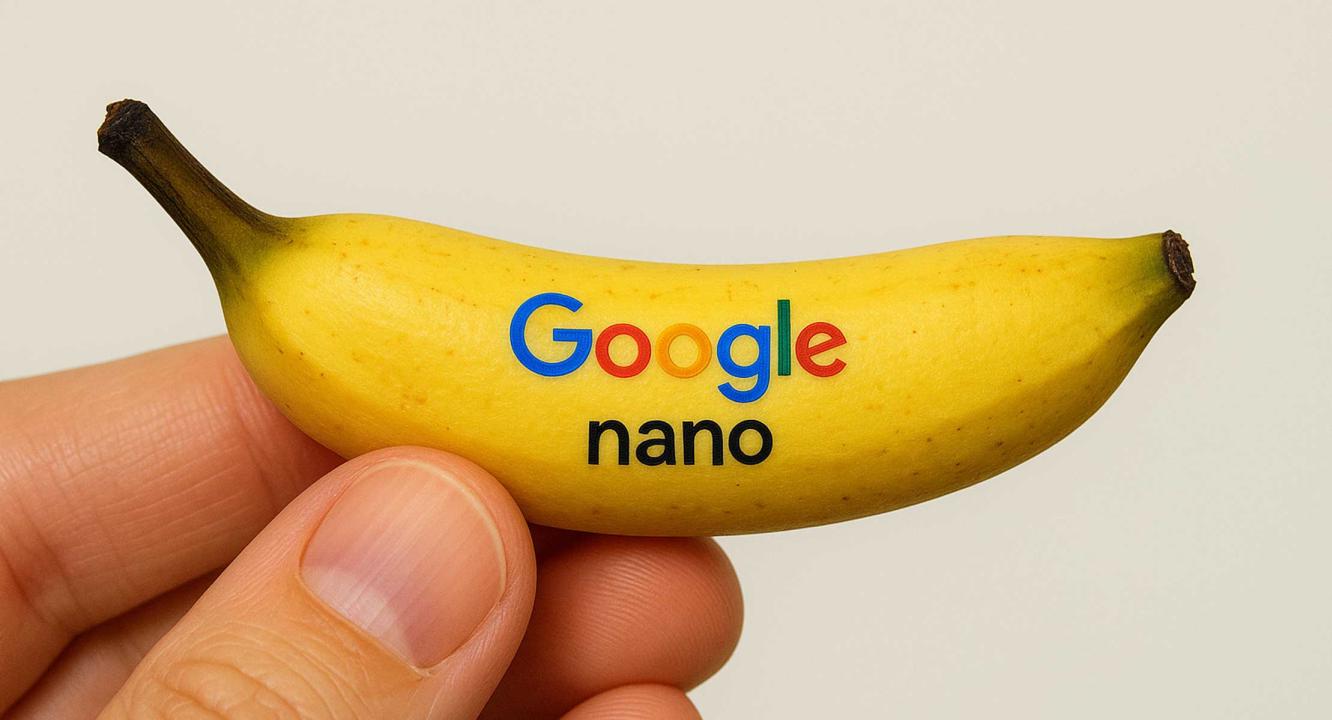
Image credits: nano banana ai
Written by
help.nanobanana
171 days ago
Related articles:
Nano Banana Pro: The Best AI Photography Tool for Professionals
When the creative industry needs nothing less than perfect, they turn to Nano Banana Pro. This is the top level of the ecosystem, made for high-end advertisers, commercial photographers, and..
Nano Banana 2: Fast Generation for Today's Workflows
In the fast-paced world of making content and marketing online, speed is just as important as quality. This is why Nano Banana 2 was made. This model is the "Flash"..
Nano Banana 2 vs. Nano Banana Pro: Which Tool Is Best for Your Creative Vision?
The tools you use are very important in the world of professional creativity. Now that Nano Banana 2 and Nano Banana Pro are out, the ecosystem offers creators two very..
Nano Banana AI: The Future of Making Creative Images
The Nano Banana AI ecosystem has changed the world of generative artificial intelligence in a big way. For years, the creative industry had trouble with AI models that were impressive..
Nano Banana AI: The Official Gateway to Next-Gen Generative Art
Welcome to nanobananai.ai, the premier destination for exploring the cutting-edge capabilities of the Nano Banana ecosystem. In an era where visual content is the primary language of the digital world,..
From Content Creator to Builder: Why I Decided to Create NanoMaker AI
Repetition, Every DayI’m a Chinese immigrant living in San Francisco.A few years ago, I was working as a website editor. Most of my days were spent creating visuals — banners,..
How Brands Use Nano Banana to Build Better Product Photos
In today’s crowded online marketplace, product visuals can make or break a brand. With consumers scrolling fast, clicking even faster, and making split‑second decisions, the quality of product photos isn’t..
AI Innovation: Google Nano Banana Reshapes the Future of Image Generation
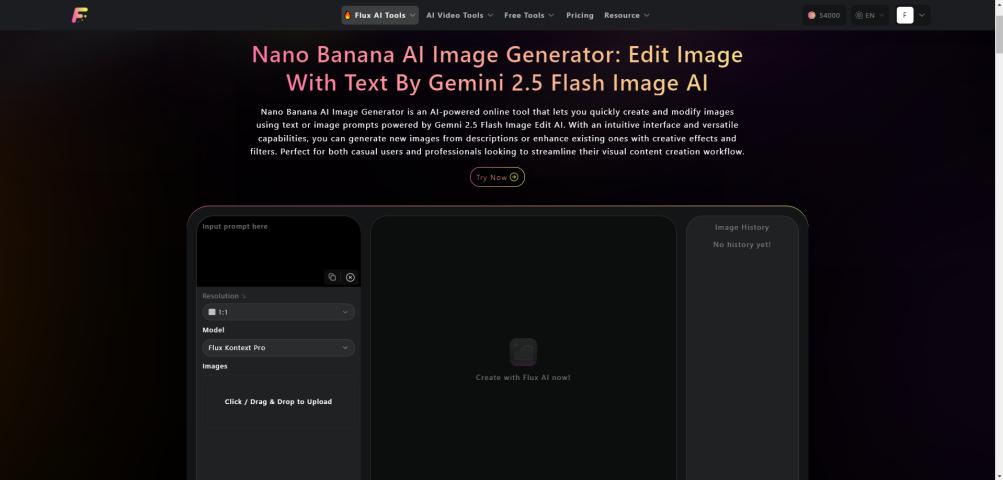
Artificial intelligence continues to deliver groundbreaking tools that fundamentally transform the creation, editing, and interaction with digital content. Among the latest to capture attention is Google Nano Banana. Despite its..
From Content Creator to Builder: Why I Decided to Create NanoMaker AI
Repetition, Every DayI’m a Chinese immigrant living in San Francisco.A few years ago, I was working as a website editor. Most of my days were spent creating visuals — banners,..
Banana Paper Manufacturing Plant Setup Cost: CapEx, OpEx & ROI
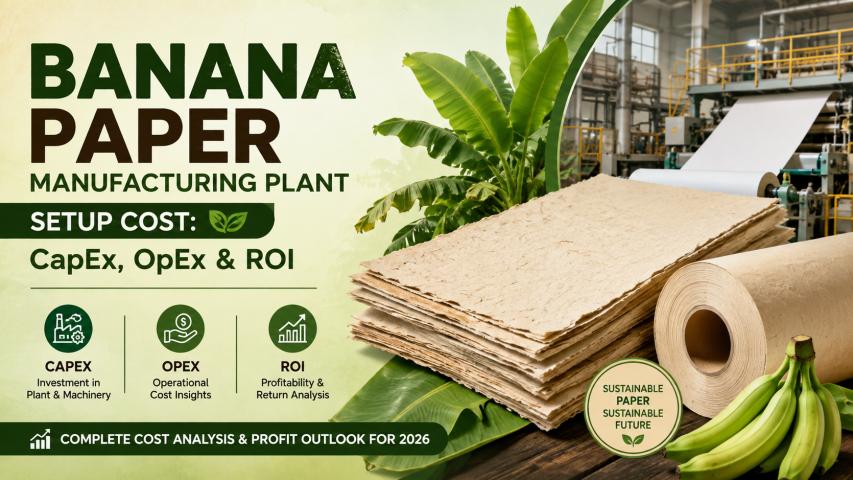
IMARC Group's report, "Banana Paper Manufacturing Plant Project Report 2026: Industry Trends, Plant Setup, Machinery, Raw Materials, Investment Opportunities, Cost and Revenue", offers a comprehensive guide for establishing a manufacturing..
Cost of Setting Up a Banana Chips Manufacturing Plant 2026: Demand Analysis and ROI
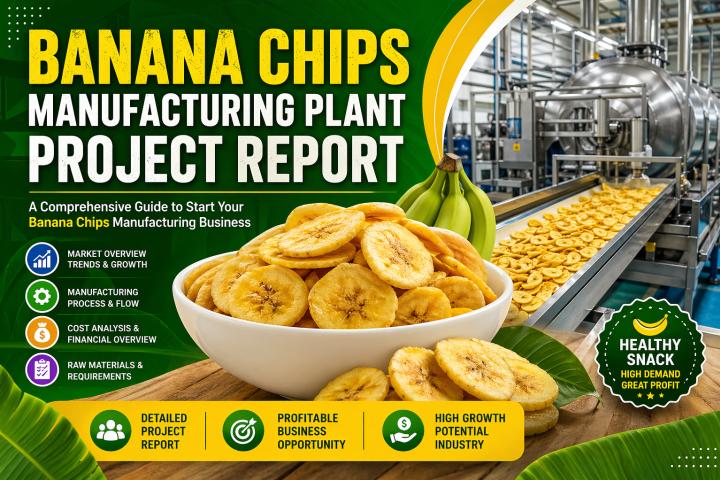
IMARC Group's report, "Banana Chips Manufacturing Plant Project Report 2026: Industry Trends, Plant Setup, Machinery, Raw Materials, Investment Opportunities, Cost and Revenue", offers a comprehensive guide for establishing a manufacturing..
Nano Banana Pro: The Best AI Photography Tool for Professionals
When the creative industry needs nothing less than perfect, they turn to Nano Banana Pro. This is the top level of the ecosystem, made for high-end advertisers, commercial photographers, and..
Nano Banana 2 vs. Nano Banana Pro: Which Tool Is Best for Your Creative Vision?
The tools you use are very important in the world of professional creativity. Now that Nano Banana 2 and Nano Banana Pro are out, the ecosystem offers creators two very..
Nano Banana AI: The Future of Making Creative Images
The Nano Banana AI ecosystem has changed the world of generative artificial intelligence in a big way. For years, the creative industry had trouble with AI models that were impressive..
Nano Banana AI: The Official Gateway to Next-Gen Generative Art
Welcome to nanobananai.ai, the premier destination for exploring the cutting-edge capabilities of the Nano Banana ecosystem. In an era where visual content is the primary language of the digital world,..
What is the Future of the Banana Bread Market by 2033?
Banana Bread Industry Outlook:Straits Research has added a report titled “Global Banana Bread Market Professional Report 2025-2033” to its database of research reports. The study provides complete details about the..
Emerging Trends in the Banana Flakes Market: Clean Label and Plant-Based Ingredient Demand
Banana Flakes Industry Outlook:Straits Research has added a report titled “Global Banana Flakes Market Professional Report 2025-2033” to its database of research reports. The study provides complete details about the..
From Content Creator to Builder: Why I Decided to Create NanoMaker AI
Repetition, Every DayI’m a Chinese immigrant living in San Francisco.A few years ago, I was working as a website editor. Most of my days were spent creating visuals — banners,..