Introduction
Switching your two-wheeler insurance policy
might sound like a complicated task, but in reality, it can be one of the
smartest financial decisions you make as a bike owner. Many riders continue
with the same insurer year after year without checking if they are getting the
best value. This often leads to higher premiums and limited coverage benefits.
How to Switch Bike Insurance Providers lies in understanding your current policy, comparing better options,
and making a timely move before renewal. With digital platforms making
insurance more transparent, switching has become quicker, easier, and more
beneficial than ever.
Why You Should Consider Switching Your Bike Insurance
There are several reasons why switching your
two-wheeler insurance can help you save money and get better coverage:
- High
Premiums: Your current insurer may be charging more than
competitors
- Poor
Claim Experience: Delays or rejection issues can be frustrating
- Limited
Add-ons: You might be missing out on useful benefits
- Better
Deals Available: New insurers often offer discounts and perks
Switching is not just about cost-it’s about
getting the best overall value.
Best Time to Switch Your Policy
Timing plays a crucial role when switching
insurance providers. The ideal time is:
- Before
Renewal Date: Ensures a smooth transition
- After
Claim-Free Year: Helps you carry forward your No Claim Bonus
(NCB)
- When
Premium Increases Suddenly: A sign to explore better options
Avoid switching after your policy has expired,
as it may lead to inspection requirements and loss of benefits.
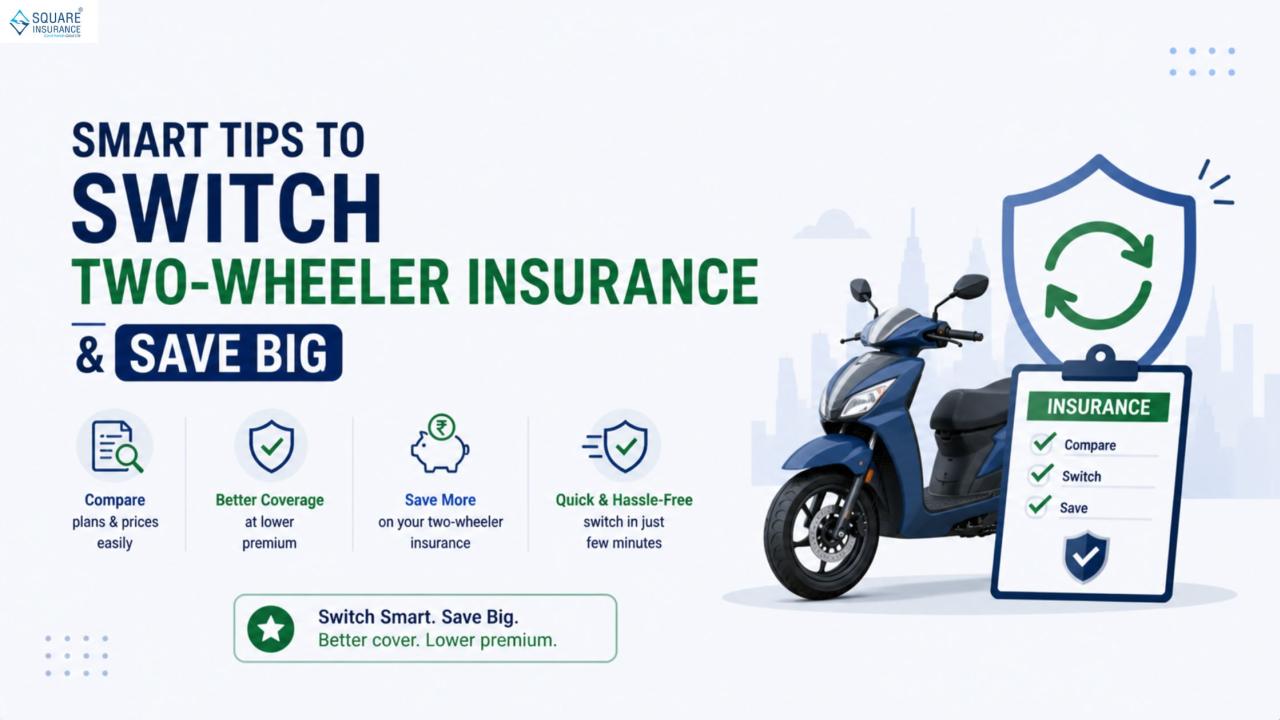
Smart Tips to Switch Two-Wheeler Insurance
1. Compare Policies Thoroughly
Don’t just look at the premium—compare
coverage, inclusions, exclusions, and claim settlement ratios. A slightly
higher premium may offer much better protection.
2. Check No Claim Bonus (NCB) Transfer
Your NCB is a valuable discount earned for not
making claims. Make sure it is transferred to your new insurer to avoid losing
savings.
3. Evaluate Add-On Covers
Look for useful add-ons like:
- Zero depreciation cover
- Roadside assistance
- Engine protection
- Return to invoice cover
These can significantly enhance your policy.
4. Review Insurer’s Reputation
Check customer reviews, claim settlement
ratios, and service quality before making a decision.
5. Avoid Policy Lapse
Always switch before your current policy
expires. A lapse may require bike inspection and can affect your NCB.
6. Use Online Platforms
Online comparison tools make it easy to
compare multiple insurers in minutes and find the best deal.
Step-by-Step Process to Switch Bike Insurance
Switching your policy is simple if you follow
these steps:
- Review
Current Policy
Understand your coverage, premium, and renewal date - Compare
New Plans
Explore multiple insurers and shortlist the best option - Check
NCB Eligibility
Ensure your No Claim Bonus is transferable - Apply
Online
Fill in bike and personal details on the insurer’s website - Submit
Documents
Provide RC, previous policy details, and ID proof - Make
Payment
Complete the payment securely online - Receive
New Policy
Your new policy will be issued instantly via email
Common Mistakes to Avoid
- Choosing only based on the lowest premium
- Ignoring policy exclusions
- Forgetting to transfer NCB
- Missing renewal deadlines
- Not reading policy terms carefully
Avoiding these mistakes ensures a smooth and
beneficial switch.
Benefits of Switching Two-Wheeler Insurance
Switching your insurance policy can offer
several advantages:
- Lower
Premium Costs
- Better
Coverage Options
- Improved
Customer Service
- Access
to New Add-ons
- Higher
Claim Settlement Reliability
It gives you control over your insurance
rather than sticking to outdated plans.
FAQs
1. Can I
switch my bike insurance anytime?
Yes, but the best time is during renewal to avoid complications and additional
inspections.
2. Will
I lose my No Claim Bonus if I switch insurers?
No, your NCB can be transferred to the new insurer if you switch within the
validity period.
3. Is
switching bike insurance online safe?
Yes, as long as you use trusted insurer websites or verified platforms.
4. Do I
need to inspect my bike when switching?
Inspection is usually not required if you switch before policy expiry.
5. How
long does it take to switch insurance?
It can be completed within minutes online if all details are correct.
Conclusion
Switching your two-wheeler insurance is not
just about saving money-it’s about upgrading your protection and getting better
value for your premium. With the right approach, you can enjoy enhanced
coverage, improved services, and peace of mind on the road. Always compare
wisely, switch at the right time, and make informed decisions.
At
the end of the day, making a smart move with your insurance can lead to
long-term savings and better riding security-something every bike owner
deserves. Choose wisely with Square Insurance and stay protected every mile of
your journey.