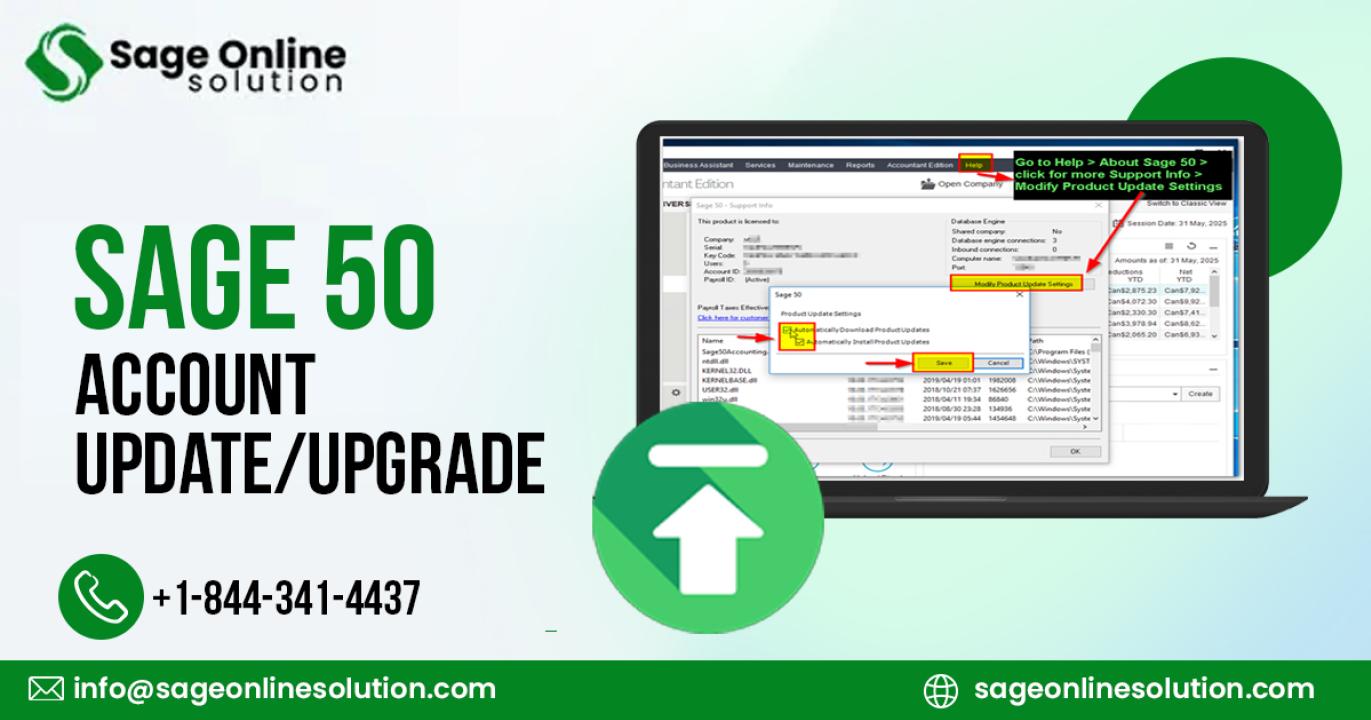
Businesses still running outdated accounting software often experience performance issues, security concerns, and compatibility limitations. If you are planning to upgrade sage 50 old version to latest version, this is the right time to understand why moving to the newest release matters in 2026. Many users searching for sage 50 upgrade solutions are now choosing newer editions to improve workflow, secure company files, and maintain accounting accuracy. For businesses looking for guidance related to upgrade sage 50 old version to latest version, help is available through +1 (844) 341-4437 or 1-800-446-8848 for installation, migration, and update-related questions.
Why Businesses Are Moving Toward Sage 50 Latest Releases
Better Performance for Daily Accounting Tasks
Older editions of Sage 50 can become slower when handling large company files, payroll records, invoices, and inventory management. The newest versions are designed to process transactions more efficiently and reduce delays while accessing reports or customer data.
Businesses using older editions may notice:
- Delayed startup times
- Slow report generation
- Frequent freezing issues
- Backup interruptions
- Multi-user connection problems
A sage 50 accounts latest version upgrade helps reduce these common issues while improving overall productivity for accounting teams.
Improved Data Security and Protection
Cybersecurity risks continue to grow every year. Businesses storing financial records in outdated software may face higher risks because older versions often stop receiving security-related improvements.
When you update sage 50, you gain access to:
- Updated data protection measures
- Improved login security
- Better encrypted backups
- Reduced vulnerability risks
- Enhanced company file stability
Keeping accounting software updated is important for protecting customer information, payroll records, invoices, and tax data.
Compatibility With Modern Windows Systems
One major reason companies upgrade sage 50 old version to latest version is compatibility. Older editions may not function properly on newer Windows environments or updated hardware systems.
Users frequently experience:
- Installation failures
- Missing DLL errors
- Printer connection problems
- Database connection issues
- Crashes after Windows updates
The latest Sage 50 editions are built for modern operating systems, helping businesses avoid compatibility interruptions.
Faster Payroll and Tax Processing
Tax rules and payroll requirements change regularly. Running an outdated accounting edition can create difficulties when generating payroll reports or preparing financial records.
A sage 50 accounting update helps businesses stay aligned with:
- Updated payroll calculations
- Tax form improvements
- Invoice formatting changes
- Reporting adjustments
- Banking compatibility updates
This helps reduce accounting errors and keeps financial operations running smoothly.
Better Multi-User Functionality
Many organizations now work with remote teams or multiple accounting users simultaneously. Older Sage 50 editions may struggle to handle modern multi-user environments efficiently.
The newest releases improve:
- Shared file access
- Network stability
- Remote workflow management
- Database communication
- User permission controls
Businesses searching for how to upgrade sage 50 accounts often do so to improve collaboration between departments.
Common Signs Your Sage 50 Version Needs an Upgrade
Frequent Software Freezing
If Sage 50 freezes while opening reports, invoices, or customer records, your software may be outdated. Performance degradation becomes more noticeable as company files grow larger.
Errors During Backup or Restore
Backup failures are another common sign. Older editions sometimes fail to communicate properly with modern storage environments or Windows security settings.
Unsupported Features
Businesses may discover that certain integrations, banking tools, or payroll functions no longer operate correctly in outdated releases.
Problems After Windows Updates
A Windows update can sometimes create major issues for older accounting software. Users often report crashes, startup problems, or missing features after system updates.
Difficulty Accessing Company Files
Database-related errors or damaged company files are also strong indicators that a sage 50 upgrade may be necessary.
How to Upgrade Sage 50 Accounts Safely
Create a Complete Backup First
Before beginning any sage 50 accounts upgrade, create a secure backup of all company files. Store backups both locally and externally if possible.
Important backup items include:
- Company data files
- Payroll information
- Custom invoices
- Reports and templates
- User permissions
Verify System Requirements
Check whether your computer meets the requirements for the newest Sage 50 release. Upgrading hardware may sometimes be necessary for better performance.
Install the Latest Version Properly
When you install the updated version, avoid interrupting the process. Temporary antivirus conflicts or incomplete installations can sometimes create errors.
Convert Company Data Carefully
During installation, Sage 50 may prompt users to convert older company files into the newer format. This process should never be interrupted.
Test All Features After Upgrade
Once the installation is complete, test payroll, invoicing, reports, printing, and backups before resuming daily accounting operations.
Businesses looking for guidance related to how to update sage 50 accounting often seek help during file conversion and installation stages. For upgrade assistance connected with sage 50 update processes, users commonly reach out through +1 (844) 341-4437 or 1-800-446-8848 to resolve migration concerns and installation interruptions.
Major Advantages of Sage 50 Upgrade in 2026
Improved Cloud Connectivity
Modern accounting environments increasingly depend on cloud accessibility. Newer Sage 50 releases provide better integration for remote access and file sharing.
Enhanced Reporting Tools
Updated reporting capabilities help businesses analyze:
- Revenue trends
- Customer balances
- Expense categories
- Inventory movement
- Tax summaries
Better reporting allows companies to make faster financial decisions.
Reduced Downtime
Outdated accounting software can create operational disruptions that affect invoicing, payroll, and customer billing. Upgrading reduces software-related interruptions.
Better Integration With Third-Party Applications
Modern businesses often rely on payment gateways, CRM systems, and banking applications. Older Sage 50 versions may not communicate properly with newer integrations.
Long-Term Stability
Using supported versions helps reduce future migration complications. Businesses delaying updates for too long may eventually face difficult data conversion processes.
How to Update Sage 50 Without Losing Data
Use Verified Backup Copies
Always test your backup before starting the update process. A damaged backup may leave important accounting data inaccessible.
Avoid Forced Shutdowns
During updates, never restart the computer or close installation windows unexpectedly.
Confirm Data Integrity
After upgrading, open financial reports and customer records to confirm data accuracy.
Keep Old Installation Files Temporarily
Retaining older installation files for a short period may help if troubleshooting becomes necessary.
Common Errors During Sage 50 Upgrade
Installation Error Messages
Corrupted installation files or system permission restrictions can prevent successful upgrades.
Company File Conversion Problems
Large company files occasionally require additional time during conversion.
Multi-User Connection Issues
Incorrect firewall settings or damaged database connections may affect shared access after upgrading.
Payroll Module Errors
Payroll updates sometimes require additional configuration steps after installation.
Businesses searching for how to update sage 50 accounts frequently encounter these technical issues during transitions from older releases.
Why Delaying a Sage 50 Upgrade Can Create Problems
Increased Risk of Data Corruption
Older software environments become more unstable over time, especially when combined with modern operating systems.
Limited Technical Compatibility
New banking systems, printers, and payroll environments may stop working properly with outdated releases.
Reduced Productivity
Frequent crashes and slow performance can waste valuable accounting time.
Higher Repair Costs Later
Ignoring updates for too long may eventually require larger migrations, advanced file repairs, or complete software replacement.
Best Time to Upgrade Sage 50 Old Version to Latest Version
Many businesses schedule upgrades:
- Before tax season
- At the beginning of a fiscal year
- During low accounting activity periods
- Before replacing computers
- After major Windows updates
Planning the upgrade strategically helps reduce operational interruptions.
Final Thoughts
Businesses relying on older accounting environments often experience avoidable problems related to speed, security, compatibility, and payroll processing. Choosing to upgrade sage 50 old version to latest version in 2026 helps improve system stability while supporting modern accounting requirements. Whether your business needs a sage 50 accounting update, file migration, or guidance on how to update sage 50 accounts, staying updated can help reduce technical disruptions and improve financial workflow efficiency. Companies planning a sage 50 upgrade or searching for ways to update sage 50 safely often use +1 (844) 341-4437 or 1-800-446-8848 for assistance with installation, company file conversion, and upgrade-related troubleshooting.