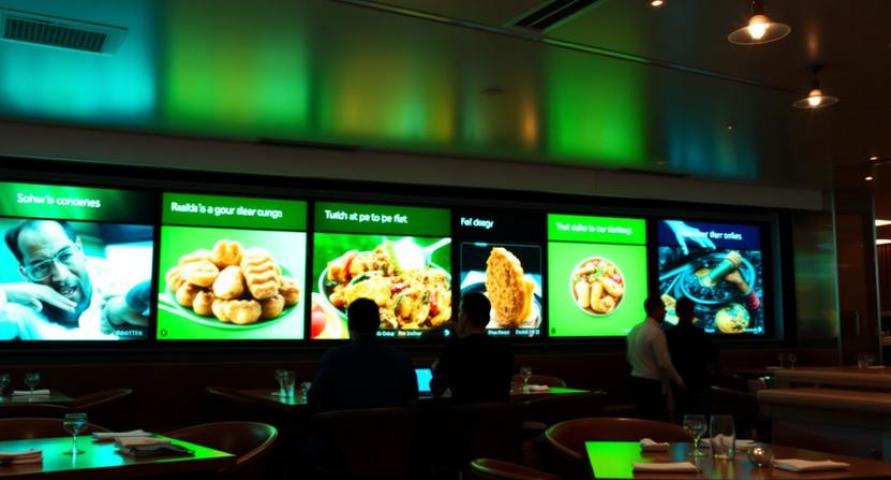
The silent decision window
Every time a customer enters a quick-service restaurant, a silent decision window begins. They look at the menu, compare options, and place an order. In those first 60–90 seconds, trust is either strengthened or weakened.
This is why the menu board is one of the most influential “tools” in a QSR. It communicates with every customer, during every shift, and it directly affects speed, clarity, and purchasing decisions. Customers are not looking for art. They want immediate answers: what is served, what it costs, what is popular today, and what is fast.
When the menu answers those questions clearly, customers feel confident and order quickly. When they have to squint, ask multiple questions, or figure things out under pressure, friction is created. In QSR settings, friction reduces repeat visits and often lowers average ticket size.
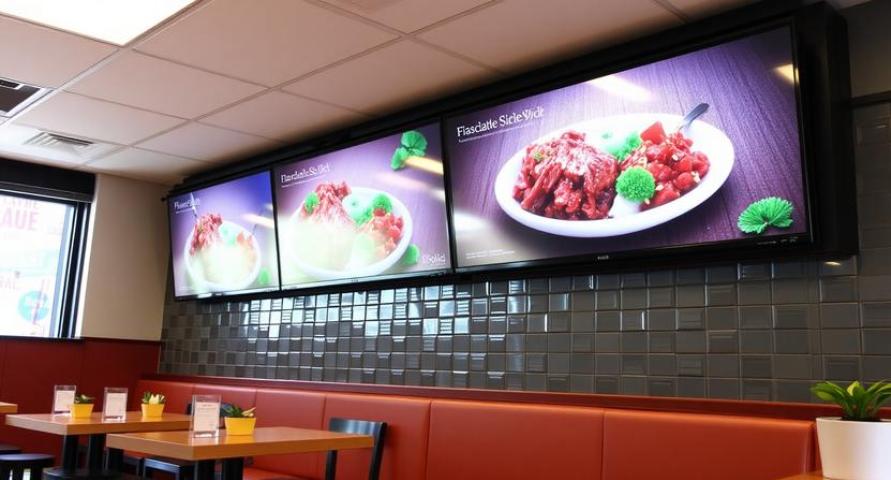
This is where QSR digital signage becomes practical. It is not about “flash.” It is about removing confusion and making ordering easier.
The hidden cost of a stagnant menu
Static menu boards create issues that show up most during peak periods. A common scenario is a lunch rush where the board still shows breakfast items after breakfast hours. Prices may be outdated because changing printed panels is costly. Daily specials may not appear at all because there is no space.In those moments, customers fall back to “safe” choices. They order the first clear item they see instead of higher-margin specials. They miss combo upgrades. They leave feeling fed, but not impressed.
For the operator, this is lost margin and slower throughput. For the customer, it is unnecessary stress.
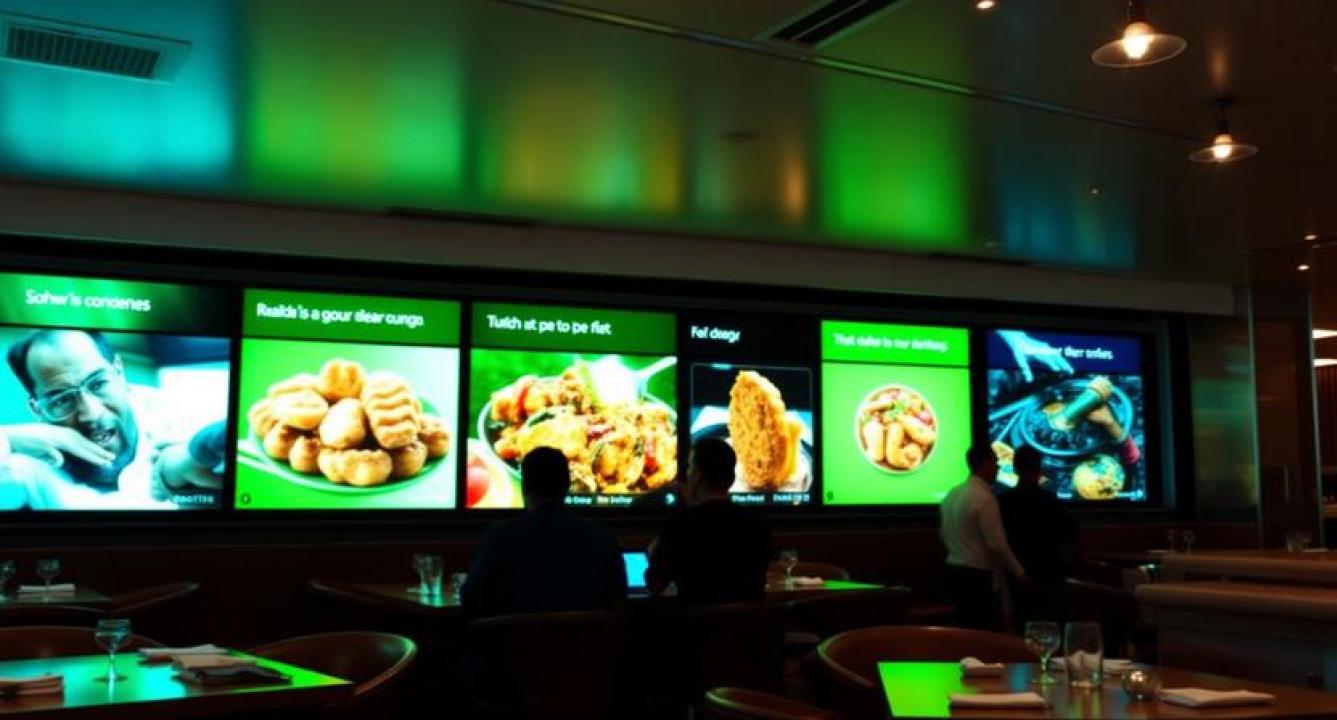
A well-managed digital menu reduces these problems by keeping content current and readable.
How QSR digital signage improves the customer experience
A properly implemented digital menu system changes how customers feel inside the restaurant:
Clarity reduces anxiety
Clean categories, strong contrast, and consistent pricing make it easier to decide. Customers scan faster and reach the register ready to order.Motion guides attention without pressure
The human eye naturally notices movement. A subtle badge like “Chef Favorite” or a light animation on a new drink can highlight high-margin items without aggressive selling.Dayparting respects the customer’s context
Breakfast, lunch, and dinner customers have different needs. Digital signage can automatically switch menus by time (for example, breakfast ending and lunch starting at 10:30 AM), without staff changing panels.Real-time updates prevent disappointment
When an item sells out, it can be removed immediately. Customers see only what is actually available, which reduces frustration and avoids awkward explanations at the counter.The reseller opportunity restaurants are actively looking for
For a digital signage reseller, this is a strong opportunity because QSR operators face real pressure: labor shortages, rising food costs, and customers who demand speed. Many still operate with outdated static boards, but they want a better solution and often do not know where to start.Many owners are cautious because they fear complicated software, high upfront cost, and unreliable systems. This is where a reseller adds value—not by selling screens, but by selling outcomes: faster ordering, fewer questions at the counter, and easier menu control.
What QSR operators respond to most:
Highlighting high-margin items more effectively
Reducing repeated staff explanations of specials and availability
Eliminating frequent printing and panel replacement costs
Improving ordering speed, which increases customers served per hour
A simple way to package and sell QSR digital signage
Resellers do not need to make the experience complex. QSR owners want a solution that works quickly and is easy to operate.A practical entry package often includes: two screens, one media player, and cloud-based software with templates. Installation should be completed quickly, and the shift manager should be trained in a short session on how to update prices and specials from a phone or tablet.
Follow-up is part of the value. When the system is easy and reliable, owners refer other operators. In QSR, word-of-mouth is still one of the fastest growth channels.
Final note to resellers
In QSR, digital signage is not a “nice to have.” It is becoming part of operational speed and customer experience. Resellers who focus on clarity, reliability, and simple onboarding are positioned to build long-term relationships, not one-time hardware sales.