Energy Transition Market Size
The global energy transition market accounted for approximately USD 21.24 billion in 2024 and is projected to surpass nearly USD 70.57 billion by 2034. The market is expected to expand at a healthy CAGR of around 12.76% over the forecast period.
What is the Energy Transition Market?
The energy transition market represents the global movement from traditional fossil fuel-based energy systems toward cleaner, renewable, and low-emission energy alternatives. The market includes renewable energy technologies such as solar, wind, hydropower, geothermal, bioenergy, and green hydrogen, along with enabling infrastructure like smart grids, battery energy storage systems, EV charging stations, carbon capture technologies, and energy-efficient solutions.
Governments, utility companies, industrial sectors, and technology providers are increasingly investing in energy transition programs to minimize greenhouse gas emissions, strengthen energy security, upgrade aging energy infrastructure, and achieve sustainability objectives. The market is also witnessing rapid digital transformation, with utilities integrating artificial intelligence, IoT-enabled monitoring, cloud computing, and advanced analytics to optimize energy generation, distribution, and consumption.
Over recent years, the market has evolved significantly due to growing environmental concerns, volatile fossil fuel pricing, and stringent regulatory frameworks. Countries worldwide are introducing net-zero emission targets and renewable energy policies that encourage clean energy investments. At the same time, financial institutions and investors are channeling funds into sustainable infrastructure and electrification projects. The market impacts several industries, including utilities, transportation, manufacturing, construction, chemicals, oil & gas, and information technology.
Energy Transition Market Growth Factors
The energy transition market is experiencing notable expansion driven by rising global commitments to carbon neutrality, increasing renewable energy investments, and the rapid electrification of transportation systems. The growing adoption of battery storage technologies, declining prices of solar panels and wind turbines, and favorable government support for clean energy deployment are further accelerating market growth.
Additional factors fueling expansion include modernization of transmission and distribution infrastructure, rising industrial demand for sustainable operations, growing environmental awareness among consumers, increasing investments in green hydrogen production, advancements in smart grid technologies, support from international climate financing programs, rapid adoption of electric vehicles, growth in distributed energy resources, rising corporate renewable energy purchase agreements, and efforts to reduce dependency on imported fossil fuels amid geopolitical uncertainties.
Get a Free Sample:
Cervicorn Consulting Sample Request
Why the Energy Transition Market is Important
The energy transition market is essential for addressing some of the world’s most critical environmental, economic, and energy security challenges. Conventional fossil fuel systems are major contributors to greenhouse gas emissions, pollution, and climate change. Shifting toward renewable and low-carbon energy sources helps lower carbon emissions while promoting cleaner air and healthier living conditions.
The market also plays a significant role in improving energy independence. Countries that rely heavily on imported oil, coal, or natural gas are vulnerable to supply chain disruptions and geopolitical instability. Expanding domestic renewable energy capacity helps strengthen long-term energy security and reduces exposure to fluctuating global fuel prices.
Another major advantage of the market is its contribution to economic growth. Renewable energy projects generate employment opportunities across engineering, manufacturing, construction, software development, operations, and infrastructure management. Global energy organizations predict substantial job creation in solar manufacturing, battery production, hydrogen infrastructure, and smart grid modernization.
In addition, the energy transition market improves industrial competitiveness. Businesses across automotive, manufacturing, chemicals, and technology sectors are increasingly adopting clean energy strategies to comply with regulations and satisfy investor and consumer expectations. Companies that fail to transition toward low-carbon operations may encounter higher operational costs, reputational risks, and restricted access to green financing.
Furthermore, smart energy technologies enhance grid resilience and operational efficiency. AI-powered grid optimization systems, predictive maintenance solutions, and advanced energy management tools help utilities reduce outages, improve electricity demand balancing, and integrate renewable energy sources more efficiently.
Major Companies in the Energy Transition Market
Several prominent organizations are contributing significantly to the global energy transition industry through investments in renewable energy, digital grids, and low-carbon technologies:
- Exelon Corporation – Focused on electricity transmission, clean power distribution, and smart grid enhancement.
- Duke Energy Corporation – Expanding renewable energy generation, nuclear energy projects, and decarbonization initiatives.
- Pacific Gas and Electric Company – Advancing renewable energy integration and digital grid technologies.
- Southern Company – Investing in renewable power, hydrogen development, and carbon capture technologies.
- American Electric Power – Strengthening renewable integration and advanced transmission infrastructure.
Key Trends in the Energy Transition Market
Increasing Renewable Energy Capacity
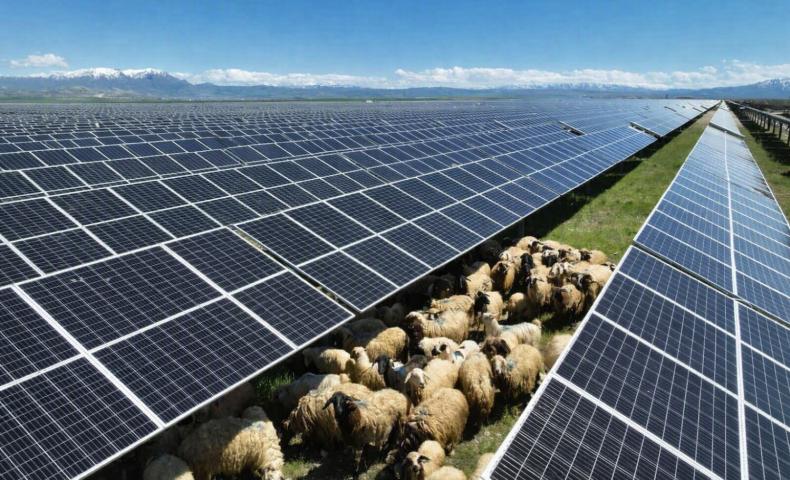
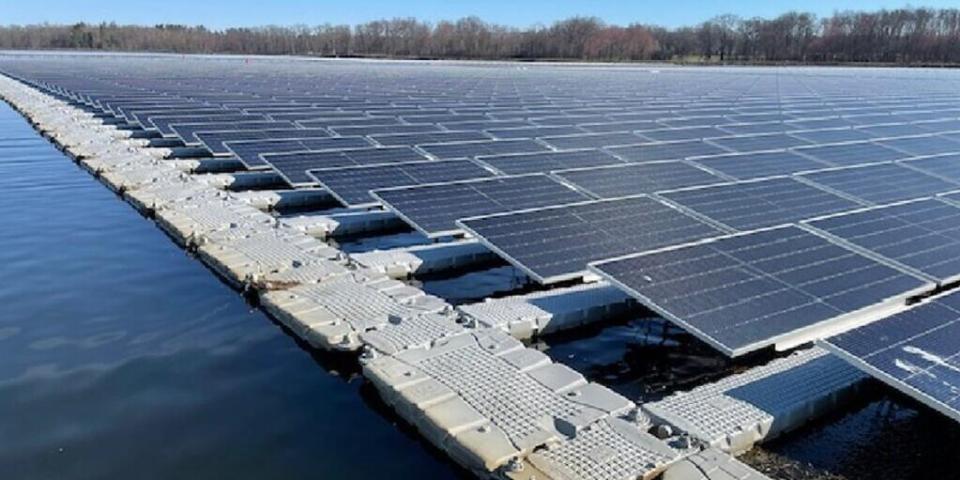
Solar and wind energy installations continue to dominate global clean energy investments. Falling equipment costs and improved efficiency are making renewable energy increasingly cost-competitive compared to conventional fossil fuel generation. Countries across Asia-Pacific, Europe, and North America are accelerating renewable deployment to achieve climate goals.
Expansion of Battery Energy Storage
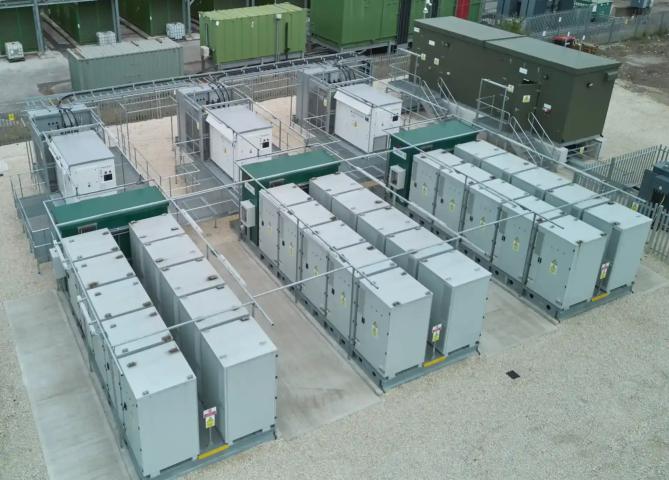
Battery storage systems are becoming increasingly important for balancing intermittent renewable power generation. Lithium-ion batteries are widely used for grid-scale storage projects, peak demand management, and EV infrastructure support, helping improve grid reliability and flexibility.
Smart Grid Advancements
Utilities are heavily investing in digital energy infrastructure, including smart meters, AI-based analytics, automated substations, and real-time monitoring systems. Smart grids improve demand management, minimize transmission losses, and support efficient renewable energy integration.
Growth of Green Hydrogen
Green hydrogen is emerging as a crucial solution for long-term decarbonization, especially in sectors where direct electrification remains challenging. Countries such as Japan, South Korea, and several European nations are investing significantly in hydrogen production and export infrastructure.
Electrification of Transportation
The rising adoption of electric vehicles is transforming electricity consumption patterns globally. Governments are implementing stricter vehicle emission standards and expanding EV charging infrastructure, encouraging utilities to invest further in renewable generation and grid upgrades.
Corporate Sustainability Goals
Large corporations are increasingly signing long-term renewable energy purchase agreements to reduce emissions and meet ESG targets. Technology companies, manufacturing firms, and logistics providers are actively transitioning toward renewable electricity sources.
Growth of Decentralized Energy Systems
Distributed energy solutions such as rooftop solar systems, microgrids, and community energy networks are becoming more popular. These systems improve energy resilience and allow consumers greater control over their energy usage.
Successful Energy Transition Projects Worldwide
Germany’s Energiewende Initiative
Germany has established one of the world’s most recognized energy transition programs through renewable incentives, energy efficiency initiatives, and grid modernization investments. Wind and solar now contribute significantly to the country’s electricity generation mix.
China’s Renewable Energy Leadership
China has become the world’s leading producer of solar panels and wind turbines while dominating renewable energy deployment. Large-scale investments in renewable infrastructure and battery manufacturing have reduced clean technology costs globally.
Denmark’s Offshore Wind Success
Denmark is globally recognized for its leadership in offshore wind energy and smart energy systems, showcasing the effectiveness of supportive policies and public-private partnerships.
Norway’s EV Ecosystem
Norway has one of the highest electric vehicle adoption rates globally due to strong incentives, tax exemptions, and extensive charging infrastructure development.
UAE Solar Expansion
United Arab Emirates is actively diversifying its energy portfolio through large-scale solar investments, including the Mohammed bin Rashid Al Maktoum Solar Park.
India’s Solar Mission
India has rapidly expanded solar energy capacity through supportive renewable policies, competitive auctions, and large-scale solar park developments.
Regional Analysis of the Energy Transition Market
North America
North America remains a key market for renewable energy investments due to extensive utility modernization programs, battery storage deployment, and transportation electrification. The United States continues to lead regional investments in solar energy, wind farms, and EV infrastructure.
Government Initiatives
The U.S. Inflation Reduction Act has accelerated investments in renewable energy, hydrogen production, battery manufacturing, and electric vehicle adoption through substantial tax incentives. Canada is also investing in clean hydrogen, hydropower, and carbon capture technologies.
Europe
Europe remains one of the most advanced regions in the energy transition market because of ambitious decarbonization targets and strong climate policies. Countries including Germany, France, the UK, Spain, and the Netherlands are heavily investing in offshore wind, smart grids, and hydrogen infrastructure.
Government Initiatives
The European Green Deal aims to make Europe climate-neutral by 2050 through renewable mandates, carbon pricing, and energy efficiency measures. The REPowerEU strategy further supports renewable deployment and energy security enhancement.
Asia-Pacific
Asia-Pacific is expected to dominate the energy transition market due to rising industrialization, growing electricity demand, and large-scale renewable investments. China, India, Japan, South Korea, and Australia remain major contributors to regional market growth.
Government Initiatives
China’s carbon neutrality target for 2060 is accelerating investments in renewable energy, EV production, battery technologies, and hydrogen infrastructure. India’s renewable manufacturing incentives and solar initiatives are also driving domestic clean energy expansion.
Latin America
Latin America possesses substantial renewable energy potential due to abundant solar, wind, and hydropower resources. Brazil, Chile, and Mexico continue attracting investments in renewable energy and green hydrogen projects.
Middle East and Africa
The Middle East and Africa region is increasingly investing in renewable energy diversification to reduce dependence on oil and gas revenues. Countries such as Saudi Arabia and the UAE are expanding renewable infrastructure and hydrogen production, while African nations focus on decentralized renewable systems and rural electrification programs.
Competitive Landscape and Future Outlook
Competition within the energy transition market is intensifying as utility companies, technology firms, equipment manufacturers, financial institutions, and oil & gas corporations continue expanding investments in clean energy infrastructure. Utilities are prioritizing renewable power generation, digital energy platforms, and advanced transmission systems to remain competitive in a low-carbon economy.
Oil and gas companies are increasingly diversifying into renewable energy, hydrogen, and carbon capture solutions, while technology providers are introducing AI-driven analytics and predictive maintenance systems to enhance operational efficiency.
Future market expansion is expected to be supported by growing net-zero commitments, increasing industrial electrification, declining renewable technology costs, and rising investments in grid resilience. Advancements in hydrogen economies, battery recycling technologies, and next-generation nuclear energy may further transform the global energy landscape over the coming decade.
Despite challenges including supply chain disruptions, permitting delays, grid congestion, infrastructure investment requirements, and critical mineral shortages, continued policy support, technological innovation, and private-sector participation are expected to sustain long-term market growth.
To Get Detailed Overview, Contact Us:
Cervicorn Consulting Contact Page