Commercial interiors have undergone a remarkable transformation over the past decade. Modern buildings are no longer designed solely to meet functional requirements. Today, architects, developers, and facility managers are expected to create environments that combine aesthetics, durability, hygiene, and long-term performance.
This shift is particularly evident in sectors such as healthcare, hospitality, retail, education, and corporate workplaces, where surfaces are subjected to constant use and must maintain their appearance for years. As a result, material selection has become a strategic decision that directly influences operational efficiency, maintenance costs, and user experience.
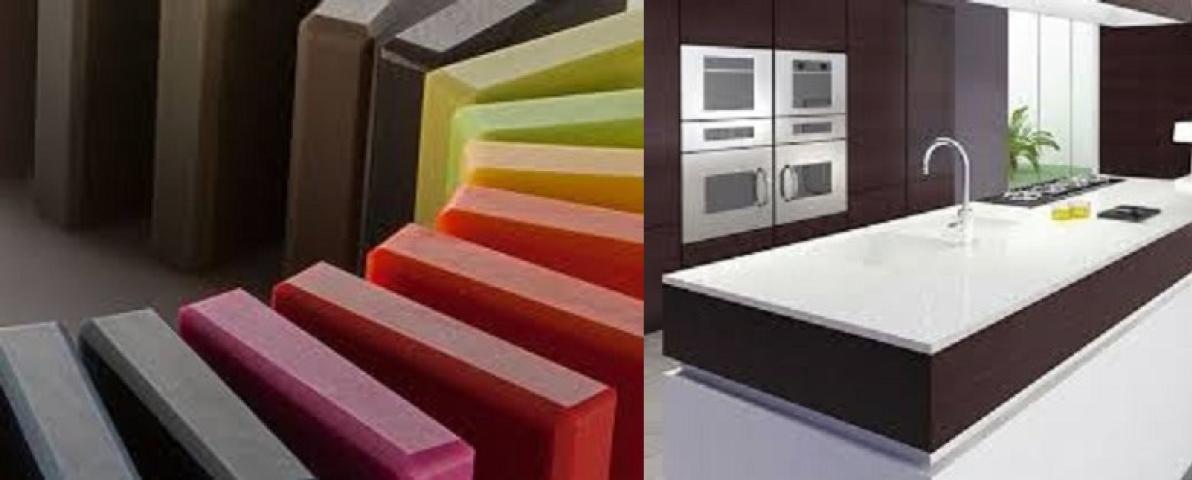
Among the materials gaining widespread recognition in commercial construction is the acrylic solid surface sheet. Known for its seamless appearance, non-porous structure, and design flexibility, acrylic solid surface solutions have become a preferred choice for architects and developers seeking high-performance interiors that can withstand the demands of modern commercial environments.
The Rise of Performance-driven Interior Design
Commercial projects today are expected to deliver more than visual appeal. Every material must contribute to the overall functionality of the space.
From hotel reception counters and hospital workstations to retail displays and office pantries, surfaces are expected to resist wear, support hygiene requirements, and maintain a professional appearance despite heavy daily use.
This growing emphasis on performance has encouraged designers to move away from materials that are difficult to maintain or prone to deterioration. Consequently, the acrylic solid surface sheet has become a practical solution that balances aesthetics with durability.
Seamless Designs are Shaping Modern Commercial Spaces
One of the most significant reasons commercial projects choose acrylic solid surface materials is their ability to create seamless installations.
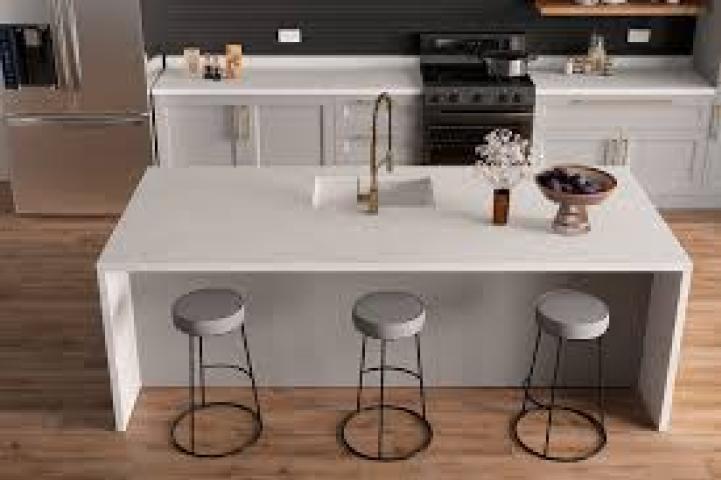
Unlike traditional materials that rely on visible joints and grout lines, acrylic solid surface sheets can be fabricated to create smooth, continuous surfaces. This capability supports the clean and minimalist design language that dominates contemporary commercial architecture.
Seamless installations offer several advantages:
- Enhanced visual appeal
- Improved hygiene
- Easier maintenance
- Greater design flexibility
- A premium and sophisticated appearance
For architects, the ability to create uninterrupted surfaces opens new possibilities for custom counters, reception desks, wall cladding, and integrated furniture solutions.
Hygiene has become a Top Design Priority
The global focus on health and wellness has significantly influenced material selection in commercial construction.
Healthcare facilities, educational institutions, restaurants, airports, and office environments increasingly prioritize materials that contribute to cleaner indoor spaces.
An acrylic solid surface sheet features a non-porous composition that does not easily absorb moisture, dirt, or bacteria. This makes cleaning and maintenance significantly easier compared to many traditional surface materials.
For facilities where hygiene standards are critical, this characteristic has become a major advantage.
As building owners continue to prioritize occupant well-being, demand for hygienic surfacing materials is expected to grow across multiple industries.
Durability Supports Long-term Value
Commercial projects are long-term investments. Developers and facility managers seek materials that can maintain their performance and appearance throughout years of continuous use.
Acrylic solid surface materials offer:
- Impact resistance
- Stain resistance
- Moisture resistance
- Scratch repairability
- Long service life
Unlike some materials that require complete replacement when damaged, minor scratches and surface imperfections on acrylic solid surface installations can often be repaired through refinishing.
This ability to restore surfaces contributes to lower lifecycle costs and improved return on investment.
Design Flexibility is Driving Adoption
Modern commercial design increasingly demands customized solutions that reflect brand identity and architectural vision.
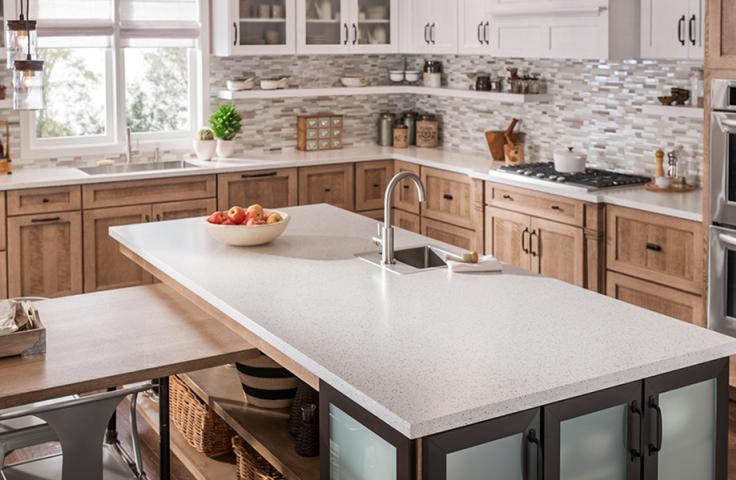
Acrylic solid surface sheets provide exceptional fabrication flexibility, allowing designers to create:
- Curved counters
- Integrated sinks
- Reception desks
- Custom furniture
- Wall panels
- Decorative features
The material can be thermoformed into unique shapes that would be difficult or impossible to achieve using many traditional surfacing options.
This design freedom makes acrylic solid surface materials particularly attractive for hospitality, retail, and corporate environments where visual differentiation is important.
Sustainability is Influencing Material Selection
Environmental responsibility has become a major consideration in commercial construction.
Developers pursuing green building certifications and sustainability goals are increasingly evaluating materials based on their lifecycle performance and environmental impact.
Many acrylic solid surface manufacturers now focus on:
- Responsible manufacturing practices
- Low-emission production processes
- Long product lifespans
- Reduced replacement requirements
- Sustainable resource management
Because acrylic solid surface products are highly durable and repairable, they can contribute to reduced material waste over the life of a building.
As sustainability expectations continue to evolve, materials that combine performance with longevity are becoming increasingly valuable.
Read to know more on acrylic solid surface: Acrylic Solid Surface Sheet Price Breakdown: Quality vs. Cost Explained
Ease of Maintenance Reduces Operational Costs
Facility managers understand that maintenance costs extend far beyond initial installation expenses.
Commercial surfaces require regular cleaning and upkeep to preserve their appearance and functionality. Materials that demand extensive maintenance can significantly increase operational expenses over time.
Acrylic solid surface sheets are widely appreciated for their ease of maintenance because they:
- Clean easily
- Resist common stains
- Require minimal specialized care
- Maintain their appearance over time
These characteristics make them particularly attractive for high-traffic environments where operational efficiency is a priority.
Versatility across Multiple Commercial Sectors
Another reason commercial projects prefer acrylic solid surface materials is their versatility.
They are commonly specified in:
Healthcare Facilities
For nursing stations, laboratory worktops, patient care areas, and reception desks.
Hospitality Projects
For hotel counters, restaurant surfaces, vanity tops, and decorative applications.
Retail Spaces
For display units, checkout counters, customer service stations, and branded interiors.
Corporate Offices
For workspaces, pantry areas, collaborative environments, and reception areas.
Educational Institutions
For administrative offices, libraries, cafeterias, and learning environments.
This broad application range demonstrates the adaptability of acrylic solid surface solutions across diverse project requirements.
The Future of Commercial Surface Materials
The future of commercial interiors will continue to prioritize durability, hygiene, sustainability, and design innovation.
As architects seek materials that can satisfy both functional and aesthetic objectives, acrylic solid surface sheets are expected to remain a preferred specification across commercial sectors.
Their unique ability to combine seamless beauty, practical performance, and long-term value positions them as a material that aligns closely with the evolving demands of modern architecture and interior design.
Conclusion
Commercial projects choose acrylic solid surface sheets because they deliver far more than attractive finishes. They provide the durability, hygiene, flexibility, and lifecycle value required in today's demanding built environments.
From healthcare facilities and hotels to offices and retail developments, acrylic solid surface materials offer a combination of performance and design freedom that few alternatives can match. As commercial architecture continues to evolve, these surfaces will remain an essential component of high-quality, future-ready interiors.
FAQs
1. What is an acrylic solid surface sheet?
An acrylic solid surface sheet is a durable, non-porous surfacing material commonly used for countertops, wall cladding, reception desks, worktops, and other commercial applications.
2. Why is acrylic solid surface popular in commercial projects?
It offers a combination of durability, hygiene, seamless aesthetics, repairability, and design flexibility, making it ideal for high-traffic environments.
3. Is acrylic solid surface hygienic?
Yes. Its non-porous structure helps prevent the absorption of moisture, dirt, and bacteria, making it suitable for healthcare, hospitality, and food-service environments.
4. Can acrylic solid surface sheets be customized?
Yes. Acrylic solid surface materials can be cut, shaped, thermoformed, and fabricated into custom designs to suit specific project requirements.
Elevate Commercial Spaces with Tranquil Global
At Tranquil Global, we provide premium acrylic solid surface solutions designed to meet the evolving needs of modern commercial environments. Combining durability, seamless aesthetics, hygiene, and exceptional design flexibility, our acrylic solid surface sheet products are ideal for healthcare facilities, hospitality venues, corporate offices, retail spaces, and educational institutions.
Whether you're seeking customized designs or high-performance surfacing solutions, our team is committed to helping you achieve outstanding results. Contact Tranquil Global today to discover how our innovative acrylic solid surface products can enhance the functionality and visual appeal of your next commercial project.