Running a growing business without the right systems in place can feel like trying to hold water in your hands — exhausting, wasteful, and never qui—exhausting,your teams are juggling disconnected..
Corporate gifting has evolved into a meaningful part of modern business culture. Gone are the days when gifts were limited to calendars or generic boxes of sweets. Today, thoughtful corporate..
In today’s digital world, every business, whether a small local shop or a large enterprise, competes for visibility online. In India, the rise of e-commerce platforms and digital-first brands has..
Social media is an ever-evolving space where trends shift rapidly, driven by technology, user behavior, and market demands. For startups, staying updated with these trends is crucial to remain competitive,..
Content is king in marketing. The more attention-grabbing your content is, the more eyeballs it will catch. Therefore, you must invest in content marketing to reach more people. However, you..
Faridabad has a charging-market profile that is quite different from nearby Gurugram. It combines a major industrial base, dense urban development, proximity to Delhi, manufacturing and commercial activity, residential growth..
The use of drones has expanded far beyond photography and videography. Today, drones are being used for surveying, construction, agriculture, infrastructure development, mining, land management, and many other industries. As..
भोजन की बदलती दुनिया और करियर का नया रास्ता: B.Sc Food Technologyआज का भोजन केवल स्वाद का विषय नहीं रह गया है। लोग अब चाहते हैं कि खाना स्वादिष्ट होने..
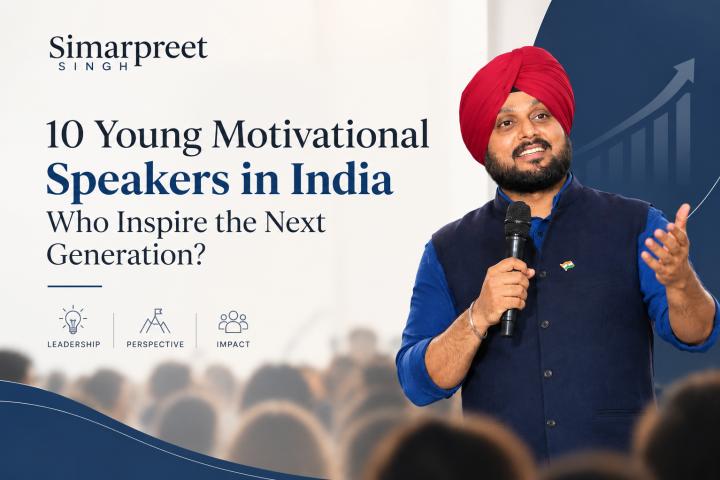
Young people today are navigating a rapidly changing world shaped by technology, entrepreneurship, new career opportunities, and evolving expectations. Inspiration can play an important role in helping students, professionals, and..
Data science helps organisations find patterns in large datasets and use them for better decisions. Students learn to work with statistics, programming, machine learning and predictive models across sectors such..
Hiring an in-house team and outsourcing your CRM build aren't two versions of the same decision. They're different bets, with different payoffs and different ways things go wrong.If you're comparing..
Most chats about AI costs start with GPU prices and end with model licensing fees. That's a Silicon Valley conversation. It misses almost everything that matters once you cross into..
Starting a business requires more than a great idea. As startups grow, managing operations, customer relationships, finances, inventory, and team collaboration becomes increasingly complex. Many growing companies struggle with disconnected..
A camera pointed at a busy hospital corridor captures thousands of frames per minute. Each frame contains information, how many people are in the corridor, whether a patient is moving..
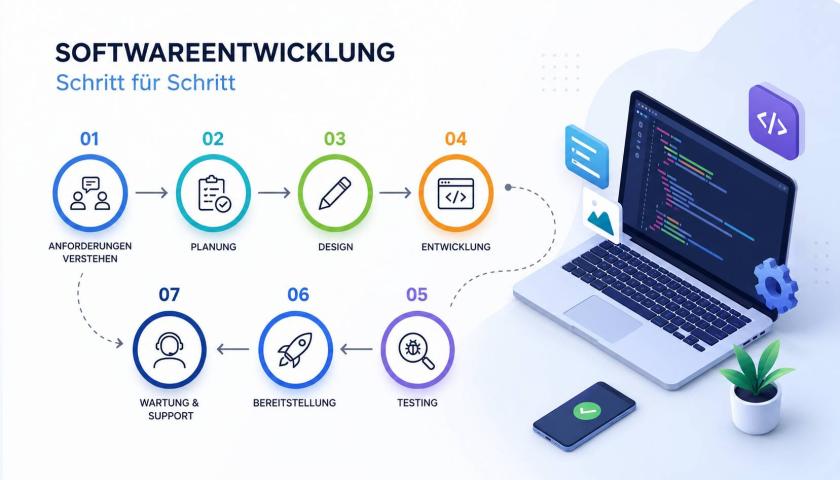
Hiring the right development team can significantly impact the success, speed, and scalability of a software project. While businesses can choose between freelancers, in-house developers, outsourcing companies, and staff augmentation,..
Choosing a programming language is rarely a simple technical preference. It shapes hiring, maintenance costs, performance, security, and how easily a product can evolve. Businesses planning custom systems need to..
Regulatory compliance has become a business
priority rather than just a legal requirement. Organizations today operate
under an increasing number of industry regulations, data privacy laws,
cybersecurity standards, and internal..
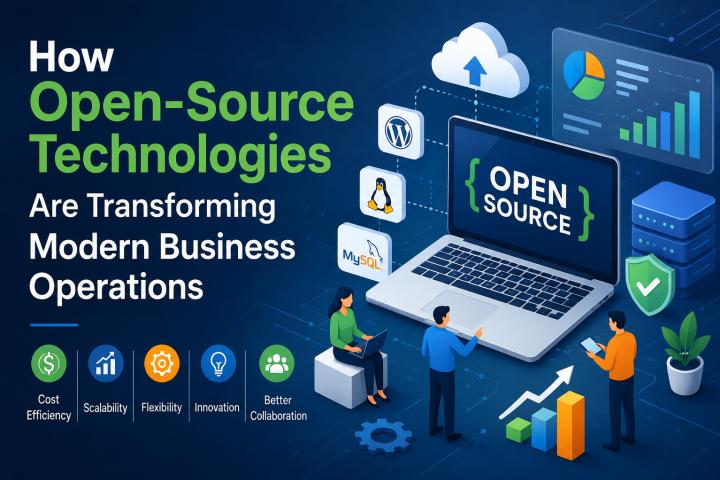
Businesses across industries are embracing digital transformation to stay competitive, improve customer experiences, and optimize operations. As organizations seek scalable and cost-effective technology solutions, open-source software has emerged as a..