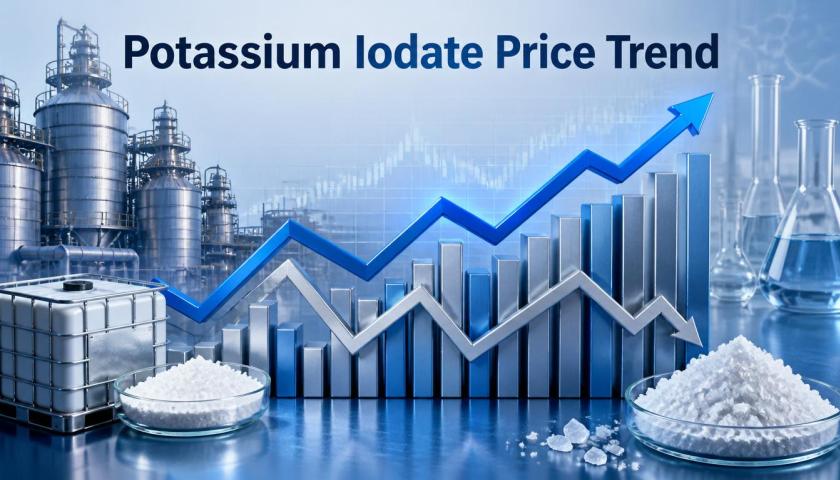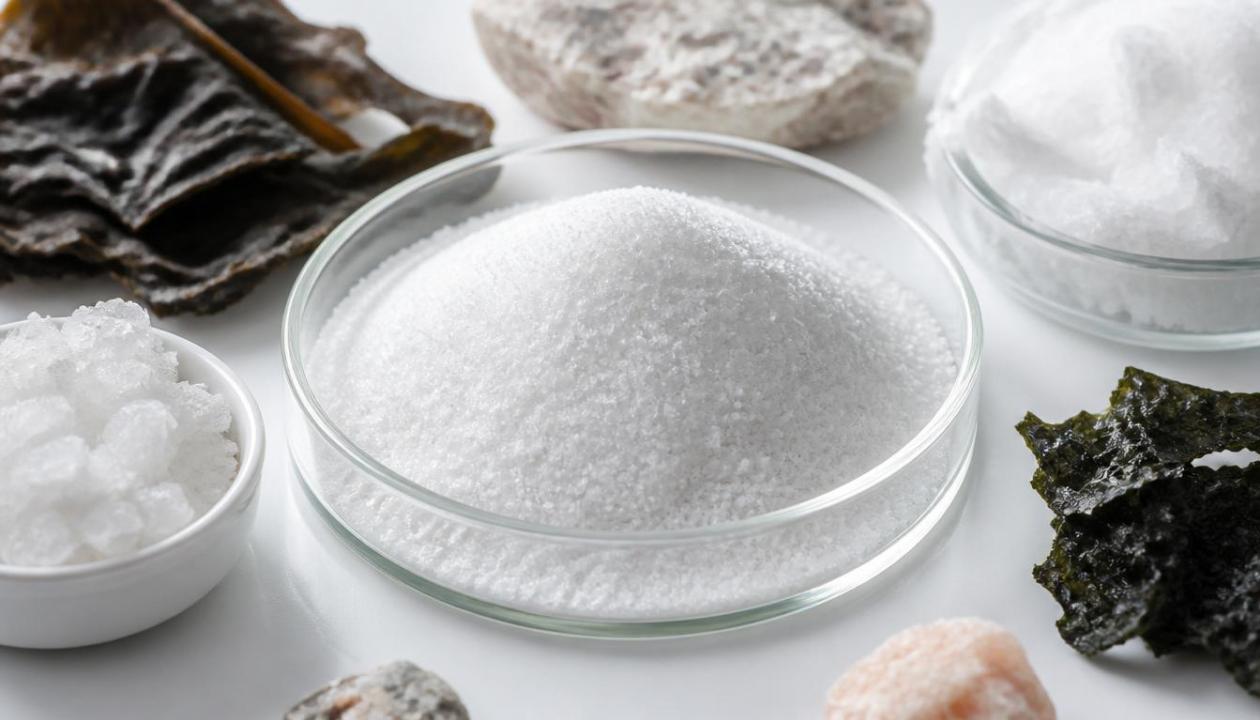
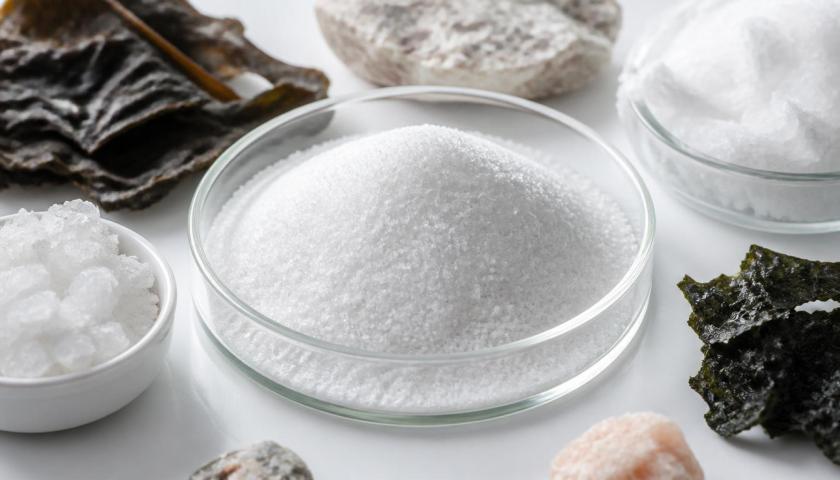
Potassium iodate is an important chemical compound widely used in food fortification, pharmaceutical manufacturing, animal nutrition, and laboratory applications. As a stable source of iodine, it plays a critical role in public health initiatives aimed at preventing iodine deficiency disorders. Due to its importance across multiple industries, market participants closely monitor the Potassium Iodate Price Chart and Potassium Iodate Index to track pricing trends, evaluate supply-demand conditions, and make informed procurement decisions.
In recent years, the global potassium iodate market has experienced fluctuations driven by raw material costs, regulatory policies, production capacities, international trade conditions, and demand from end-use industries. Understanding these factors is essential for manufacturers, traders, distributors, and procurement professionals seeking to navigate the evolving market landscape.
Understanding the Potassium Iodate Market
Potassium iodate (KIO₃) is primarily used in iodized salt production, where it serves as a vital iodine supplement to support human health. Governments worldwide promote iodized salt consumption as part of public health programs, making potassium iodate an essential ingredient in food fortification efforts.
Beyond food applications, potassium iodate is also used in pharmaceutical products, animal feed supplements, analytical laboratories, and specialty chemical manufacturing. The diversity of these applications contributes to stable market demand and influences overall pricing behavior.
The Potassium Iodate Price Chart provides valuable insight into historical price movements, helping businesses identify trends and assess market volatility. Meanwhile, the Potassium Iodate Index serves as a benchmark for evaluating overall market performance and understanding shifts in supply-demand dynamics.
Factors Influencing the Potassium Iodate Index
Several key factors contribute to movements in the Potassium Iodate Index and impact global market pricing.
Raw Material Availability
Iodine is the primary raw material used in potassium iodate production. Changes in iodine supply, mining output, and extraction costs directly influence manufacturing expenses. Any disruption in iodine production can affect the entire potassium iodate supply chain.
Public Health and Food Fortification Programs
Government-led initiatives promoting iodized salt consumption remain one of the strongest demand drivers for potassium iodate. Expanding public health programs in developing economies continue to support long-term market growth.
Pharmaceutical Industry Demand
Potassium iodate is used in certain pharmaceutical formulations and healthcare applications. Growth in healthcare infrastructure and pharmaceutical manufacturing contributes to rising consumption levels.
Animal Feed Sector Growth
The livestock industry relies on iodine supplementation to maintain animal health and productivity. Increasing demand for high-quality animal nutrition products supports potassium iodate consumption globally.
International Trade and Logistics
Global trade conditions, freight rates, transportation costs, and supply chain efficiency significantly influence market pricing. Disruptions in shipping networks can affect availability and lead to temporary price volatility.
Regulatory Standards
Food safety regulations and iodine fortification requirements vary across countries. Changes in government policies regarding food fortification can directly impact demand patterns and market growth.
Regional Market Analysis
Asia-Pacific
Asia-Pacific represents one of the largest markets for potassium iodate due to its large population base and extensive iodized salt consumption. Countries such as India and China play significant roles in both production and consumption.
India remains a key consumer because of nationwide iodization programs and growing healthcare awareness. Rising demand from food processing and pharmaceutical industries further supports regional market expansion.
China also contributes significantly through its chemical manufacturing sector and growing domestic demand. The country’s production capabilities influence regional supply availability and pricing trends.
North America
North America maintains steady demand for potassium iodate across food, pharmaceutical, and laboratory applications. The region benefits from advanced manufacturing infrastructure and strict food safety standards.
Growing health awareness and regulatory compliance continue to support market stability in the United States and Canada.
Europe
Europe remains an important market characterized by strong food safety regulations and well-established healthcare systems. Demand is supported by pharmaceutical applications, food fortification programs, and specialty chemical manufacturing.
European buyers often monitor the Potassium Iodate Price Chart closely due to fluctuations in raw material costs and import dependencies.
Middle East and Africa
The Middle East and Africa are emerging markets for potassium iodate, driven by expanding public health initiatives and growing awareness regarding iodine deficiency prevention. Increasing investments in food processing and healthcare infrastructure are expected to support future demand growth.
Recent Trends in the Potassium Iodate Price Chart
Recent movements in the Potassium Iodate Price Chart have reflected changing raw material costs, stable demand from food fortification programs, and evolving trade conditions.
Periods of increased iodine prices have contributed to higher production costs, leading to upward pressure on potassium iodate pricing. At the same time, consistent demand from iodized salt manufacturers has helped maintain market stability.
Supply chain challenges and transportation cost fluctuations have occasionally created short-term pricing volatility. However, the essential nature of potassium iodate in public health programs has continued to provide strong demand support.
Future Outlook for the Potassium Iodate Index
The future Potassium Iodate Index is expected to remain supported by growing global awareness of iodine nutrition and continued expansion of food fortification programs.
Several factors are likely to influence future market performance:
Increasing demand for iodized salt worldwide
Expansion of public health initiatives
Growth in pharmaceutical manufacturing
Rising consumption of animal nutrition products
Improvements in healthcare infrastructure
Stable long-term demand from food processing industries
Although raw material price fluctuations and logistical challenges may create occasional market volatility, overall demand fundamentals remain positive.
Market Opportunities
The potassium iodate industry is expected to benefit from several emerging opportunities:
Expansion of government nutrition programs
Increasing health awareness among consumers
Growing pharmaceutical sector investments
Rising demand for fortified food products
Development of advanced chemical processing technologies
Growth in livestock and animal nutrition industries
These opportunities are expected to create favorable conditions for manufacturers, suppliers, and distributors operating in the global market.
Conclusion
The global potassium iodate market continues to play a vital role in food fortification, healthcare, and industrial applications. The Potassium Iodate Price Chart remains an essential tool for tracking market developments, while the Potassium Iodate Index provides valuable insight into pricing trends and overall market performance.
As governments continue promoting iodine nutrition and industries expand their use of potassium iodate, demand is expected to remain strong. Market participants will continue monitoring raw material availability, regulatory developments, and international trade conditions to better understand future pricing movements and growth opportunities in this important chemical sector.
👉 👉 👉 Please Submit Your Query for Potassium Iodate Price Chart, demand-supply, suppliers, market analysis:https://www.price-watch.ai/book-a-demo/
About Price-Watch™
Price-Watch™ is an India-based, independent price reporting agency (PRA) that provides real-time price forecasts and data-driven insights into global raw material markets. It specializes in tracking prices, analyzing market trends, and delivering timely updates on plant shutdowns, supply disruptions, capacity expansions, and demand–supply dynamics. Price-Watch™ reporting goes beyond prices to include grade-level insights, applications, and country-level demand intelligence you can trust. Powered by AI forecasting and over a decade of historical data, the Price-Watch™ platform empowers manufacturers, traders, and procurement professionals to make faster, smarter decisions and turn market volatility into actionable opportunity.
Futura Tech Park,
C Block, 8th floor 334,
Old Mahabalipuram Road,
Sholinganallur, Chennai, Tamil Nadu, Pin code - 600119.
Linkedin: https://www.linkedin.com/company/price-watch-ai/
Facebook: https://www.facebook.com/people/Price-Watch/61568490385598/
Twitter: https://x.com/pricewatchai
Website: https://www.price-watch.ai/