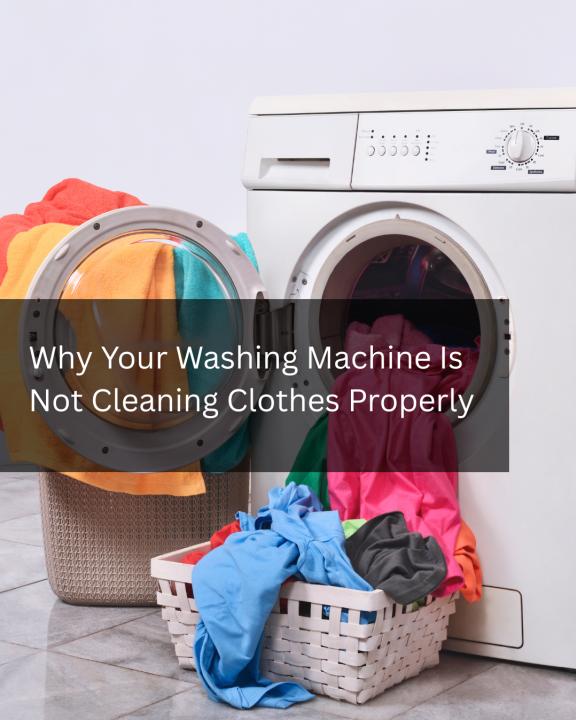
Most people assume that if clothes go into a washing machine, they should come out perfectly clean.
After all, that's what washing machines are designed to do.
Yet many households face the same frustrating problems:
- Clothes still smell bad after washing.
- Stains remain visible.
- White garments look dull.
- Towels feel rough.
- Shirts don't feel truly fresh.
When this happens repeatedly, people often blame the detergent or assume the washing machine is getting old.
But the reality is more complicated.
In many cases, the problem isn't the machine itself. It's a combination of laundry habits, water quality, detergent usage, and fabric care mistakes.
Understanding these issues can help you get better laundry results, extend the life of your clothes, and know when professional garment care may be the better solution.
The Most Common Myth About Washing Machines
Many people believe that washing machines automatically remove every type of dirt and stain.
Unfortunately, laundry doesn't work that way.
A washing machine can clean clothes effectively only when:
- The correct detergent is used.
- The load size is appropriate.
- The washing cycle is suitable.
- The fabric type is considered.
- The machine itself is clean.
If any of these factors are ignored, cleaning performance drops significantly.
Overloading the Machine Is a Common Mistake
One of the biggest reasons clothes don't come out clean is overloading.
When too many clothes are packed into the drum:
- Water cannot circulate properly.
- Detergent distribution becomes uneven.
- Dirt remains trapped between garments.
- Clothes rub against each other excessively.
The machine may finish its cycle, but the cleaning quality often suffers.
A slightly smaller load often produces much better results.
Using Too Much Detergent Can Make Clothes Dirtier
This surprises many people.
Most assume that more detergent means cleaner clothes.
In reality, excessive detergent often creates residue that remains trapped in fabric fibers.
Over time this residue can:
- Attract dirt
- Cause unpleasant odors
- Make clothes feel stiff
- Reduce fabric softness
Modern detergents are concentrated, which means using the recommended amount is usually enough.
Hard Water Can Affect Laundry Quality
Water quality plays a bigger role than many people realize.
In many parts of Rajasthan, including Jaipur, hard water is common.
Hard water contains minerals that interfere with cleaning performance.
This can result in:
- Dull-looking clothes
- Detergent residue
- Reduced stain removal
- Rough fabric texture
Even a high-quality washing machine may struggle if water quality is poor.
Why Some Stains Never Come Out
Many people expect washing machines to remove every stain automatically.
However, some stains require pre-treatment.
Examples include:
- Oil stains
- Curry stains
- Ink marks
- Makeup stains
- Sweat stains
Once these stains settle into fabric fibers, ordinary washing may not be enough.
The longer the stain remains untreated, the harder it becomes to remove.
Fabric Type Matters More Than Most People Think
Not all clothes should be washed the same way.
Different fabrics react differently to:
- Water temperature
- Detergents
- Agitation
- Spin cycles
For example:
Cotton
Generally durable and easy to clean.
Wool
Can shrink if washed incorrectly.
Silk
May lose texture or color with aggressive washing.
Linen
Can wrinkle heavily if not handled properly.
Ignoring fabric requirements often leads to poor cleaning results and faster garment wear.
Your Washing Machine Might Need Cleaning Too
Many people clean their clothes but forget to clean the machine itself.
Over time, washing machines accumulate:
- Detergent residue
- Dirt
- Mold
- Bacteria
These deposits can create unpleasant smells and reduce cleaning efficiency.
Signs your machine may need cleaning include:
- Musty odors
- Residue on clothes
- Poor washing performance
Regular machine maintenance is essential for consistent results.
Why Clothes Sometimes Smell Bad After Washing
Few things are more frustrating than washing clothes only to find they still smell unpleasant.
Common reasons include:
- Leaving wet clothes inside the machine too long
- Excess detergent buildup
- Dirty washing machine drums
- Poor drying practices
- Bacterial growth
The problem isn't always the clothes themselves.
Often the washing environment is the real issue.
The Hidden Impact of Drying Mistakes
Cleaning doesn't end when the wash cycle finishes.
Improper drying can undo much of the washing process.
Common drying mistakes include:
- Leaving clothes damp for long periods
- Poor ventilation
- Overcrowded drying spaces
These conditions encourage odor development and reduce freshness.
Why Expensive Clothes Often Need Special Care
Premium garments frequently require more than ordinary machine washing.
Examples include:
- Wedding outfits
- Designer clothing
- Formal suits
- Silk sarees
- Delicate fabrics
These items often benefit from specialized cleaning methods that protect both appearance and fabric quality.
This is one reason many consumers use a Dry cleaning service in Jaipur for valuable garments that require extra attention.
When Washing Machines Reach Their Limits
Washing machines are excellent for routine cleaning.
However, they are not designed to solve every fabric care challenge.
Certain situations may require professional treatment:
- Deep stains
- Delicate fabrics
- Expensive garments
- Odor removal
- Fabric restoration
For these situations, experienced Dry Cleaners in Jaipur often use specialized processes that ordinary home washing cannot replicate.
Why Professional Garment Care Is Growing
As clothing costs continue to rise, more people are focusing on garment preservation.
Professional cleaning is no longer viewed as something reserved only for luxury clothing.
Today, many households use Dry Cleaning in Jaipur to help maintain:
- Formal wear
- Office clothing
- Ethnic garments
- Delicate fabrics
The goal is not simply cleanliness.
It's extending garment life while maintaining fabric quality.
Is Professional Cleaning Always Expensive?
Not necessarily.
Many consumers assume professional garment care is costly.
However, replacing damaged clothing often costs far more than maintaining it properly.
An affordable Dry Cleaning Service in Jaipur can help protect garments from premature wear, saving money over the long term.
Choosing the Right Cleaning Solution
Every garment has different needs.
While machine washing works well for many everyday items, some fabrics require specialized treatment.
When evaluating garment care options, consumers should focus on:
- Fabric type
- Stain severity
- Garment value
- Long-term maintenance
For delicate and premium garments, many people prefer the best dry cleaning service in Jaipur because it prioritizes both cleaning and fabric protection.
Final Thoughts
If your washing machine isn't cleaning clothes properly, the problem may not be the machine itself.
Overloading, detergent misuse, hard water, poor maintenance, fabric care mistakes, and improper drying can all affect laundry quality.
Understanding these factors can help improve results and extend the life of your wardrobe.
At the same time, it's important to recognize that washing machines have limitations. Some garments and stains require specialized treatment to achieve the best results.
The key is choosing the right cleaning method for the right garment.
Because truly clean clothes aren't just about removing dirt—they're about preserving quality, comfort, and appearance for the long term.
Frequently Asked Questions
1. Why do my clothes still smell after washing?
Common causes include detergent residue, machine buildup, poor drying practices, and bacterial growth.
2. Can too much detergent reduce cleaning performance?
Yes. Excess detergent often leaves residue behind, which can trap dirt and odors.
3. Does hard water affect laundry results?
Yes. Hard water can reduce detergent effectiveness and leave clothes looking dull.
4. Why don't washing machines remove all stains?
Some stains require pre-treatment or specialized cleaning methods before washing.
5. When should I consider professional cleaning?
For delicate fabrics, expensive garments, persistent odors, or stubborn stains that do not respond to normal washing.