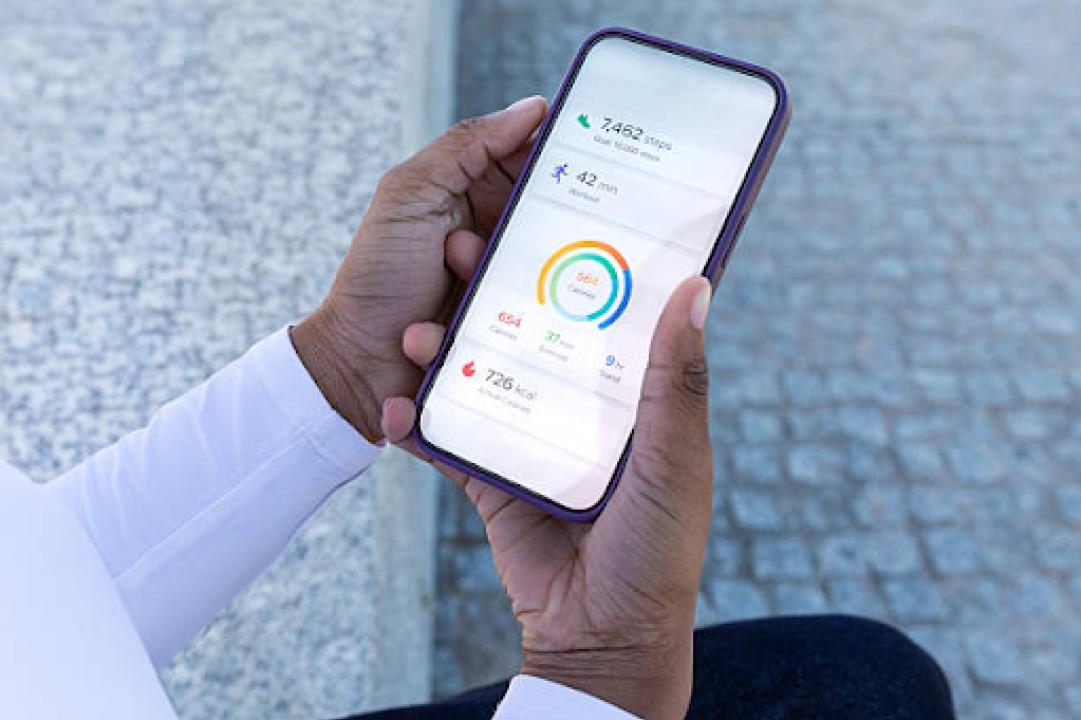
Personal growth has become a major focus for people seeking success, happiness, and overall well-being. Whether the goal is building better habits, improving productivity, learning new skills, managing stress, or enhancing mental health, self-improvement requires consistency and dedication. Fortunately, technology has made personal development more accessible than ever before. Today, some of the best apps for self improvement provide practical tools, personalized guidance, and progress tracking that help users achieve meaningful life changes.
Mobile applications have evolved far beyond simple productivity tools. Modern self-improvement apps leverage artificial intelligence, behavioral science, habit formation techniques, and data analytics to support personal growth. They help users stay accountable, monitor progress, and maintain motivation throughout their journey.
As people increasingly rely on smartphones in their daily lives, self-improvement apps have become valuable companions that encourage positive habits and continuous learning. Understanding how these applications work and the benefits they offer can help individuals choose the right tools to support their goals.
Why Self-Improvement Apps Are Becoming Popular
The growing popularity of self-improvement applications is driven by the desire for convenience, accessibility, and measurable progress. Traditional personal development methods often require books, courses, coaches, or extensive planning. While these approaches remain valuable, mobile apps provide immediate access to guidance and resources.
Many people struggle with consistency when pursuing personal goals. Self-improvement apps address this challenge by offering reminders, progress tracking, and motivational features that encourage ongoing engagement. These tools make it easier to stay focused and maintain positive routines.
Additionally, modern life>
The combination of convenience and accountability makes these apps highly effective for people seeking long-term improvement.
How Self-Improvement Apps Support Personal Growth
The best apps for self improvement focus on helping users create sustainable behavioral changes. Rather than relying solely on motivation, these platforms encourage consistency through structured systems and goal-oriented features.
Many applications use habit-tracking techniques to reinforce positive behaviors. Users can set goals, monitor daily progress, and review performance over time. This process creates awareness and helps individuals identify areas that need improvement.
Self-improvement apps also provide educational content, guided exercises, and personalized recommendations. Whether someone wants to improve communication skills, learn a new language, meditate regularly, or increase productivity, these platforms offer tailored solutions.
The ability to measure progress plays a critical role in personal growth. Visual reports and achievement milestones provide motivation and help users stay committed to their objectives.
Habit Tracking and Behavioral Change
Habit formation is one of the most important aspects of self-improvement. Successful individuals often attribute their achievements to consistent daily habits rather than occasional bursts of motivation.
Many self-improvement apps focus specifically on habit tracking because repeated actions eventually become automatic behaviors. By encouraging users to complete small tasks consistently, these platforms help transform positive intentions into lasting routines.
A habit tracker also creates accountability. Users can monitor their performance, identify patterns, and make adjustments when necessary. Over time, this increased awareness contributes to meaningful personal development.
Digital habit trackers provide a simple yet powerful framework for building healthier life>
Productivity and Time Management Features
Productivity remains a major area of focus within the self-improvement industry. Many individuals seek tools that help them manage their time more effectively, reduce distractions, and accomplish important tasks.
The best apps for self improvement often include productivity features designed to improve focus and organization. Users can create schedules, prioritize tasks, set deadlines, and monitor progress toward specific objectives.
These tools help eliminate procrastination and encourage structured work habits. By providing clear visibility into daily responsibilities, productivity apps support better decision-making and improved efficiency.
As users become more intentional with their time, they often experience increased confidence and reduced stress levels, contributing to overall personal growth.
Mental Health and Emotional Well-Being
Self-improvement extends beyond productivity and achievement. Mental health and emotional well-being are equally important components of personal development.
Many modern self-improvement apps incorporate mindfulness exercises, meditation programs, breathing techniques, and stress-management tools. These features help users cultivate emotional resilience and maintain a healthier mindset.
Regular mindfulness practices can improve concentration, reduce anxiety, and enhance overall quality of life. Mobile applications make these practices more accessible by offering guided sessions that fit easily into daily routines.
By supporting emotional well-being, self-improvement apps help users achieve a more balanced and sustainable approach to personal growth.
Learning and Skill Development
Continuous learning is another key element of self-improvement. The ability to acquire new skills and expand knowledge contributes significantly to personal and professional success.
Many self-improvement applications provide educational resources that help users develop competencies in areas such as communication, leadership, financial management, creativity, and language learning.
These platforms often use interactive learning methods that make education more engaging and effective. Users can access lessons, quizzes, challenges, and progress reports that encourage ongoing development.
The convenience of mobile learning allows individuals to invest in their growth without disrupting their daily schedules.
Goal Setting and Achievement
Goal setting is a fundamental aspect of personal development. Without clear objectives, it becomes difficult to measure progress or maintain motivation.
The best apps for self improvement help users establish meaningful goals and break them into manageable steps. This structured approach reduces overwhelm and increases the likelihood of success.
Many applications provide visualization tools, milestone tracking, and performance analytics that keep users focused on their desired outcomes. Regular progress reviews help individuals stay accountable and make informed adjustments to their strategies.
Achieving goals builds confidence and reinforces positive behaviors, creating a cycle of continuous improvement.
Choosing the Best Apps for Self Improvement
Selecting the right self-improvement app depends on individual goals, preferences, and priorities. Some users may focus on productivity, while others prioritize mental wellness, fitness, habit formation, or educational growth.
The most effective applications are those that align with a person's specific needs and provide a user experience that encourages consistent engagement. Simplicity, accessibility, and meaningful progress tracking are often key factors in long-term success.
It is also important to choose apps that offer flexibility and customization. Personal development is a highly individual journey, and users benefit from tools that adapt to their unique circumstances.
By carefully evaluating available options, individuals can identify applications that support their growth objectives effectively.
The Future of Self-Improvement Apps
The future of self-improvement technology is closely connected to advancements in artificial intelligence and personalized learning. AI-powered platforms are becoming increasingly capable of analyzing user behavior and providing customized recommendations.
Future self-improvement apps may offer more intelligent coaching, predictive insights, and adaptive learning experiences. These innovations will help users overcome challenges more efficiently and achieve goals faster.
Wearable technology and biometric tracking may also play larger roles in personal development. By monitoring physical and emotional indicators, future applications could provide deeper insights into user habits and well-being.
As technology continues to evolve, self-improvement apps will become even more powerful tools for personal growth and lifelong learning.
Conclusion
The best apps for self improvement have transformed the way people pursue personal growth. By combining habit tracking, productivity tools, mental wellness resources, educational content, and goal-setting features, these applications provide comprehensive support for individuals seeking positive change.
Whether the objective is improving productivity, developing healthier habits, reducing stress, learning new skills, or achieving long-term goals, self-improvement apps offer practical solutions that fit seamlessly into modern life>
As technology advances and personalized experiences become more sophisticated, self-improvement applications will continue helping people unlock their potential and create lasting improvements in every area of life.