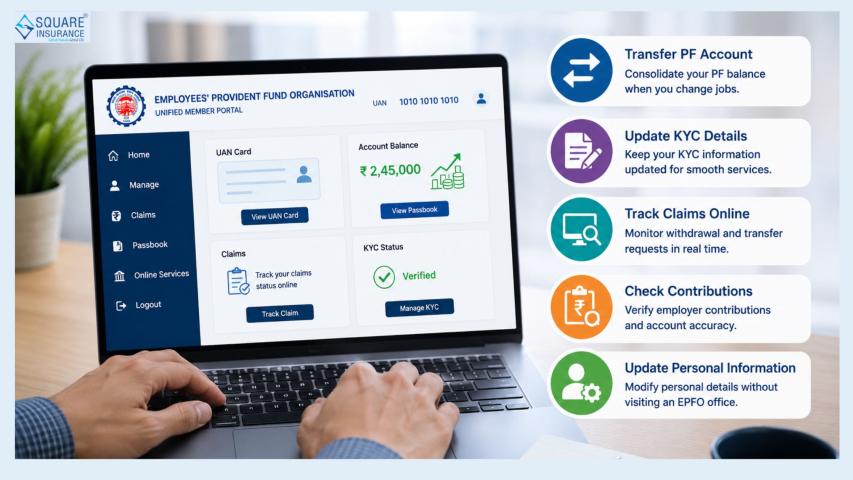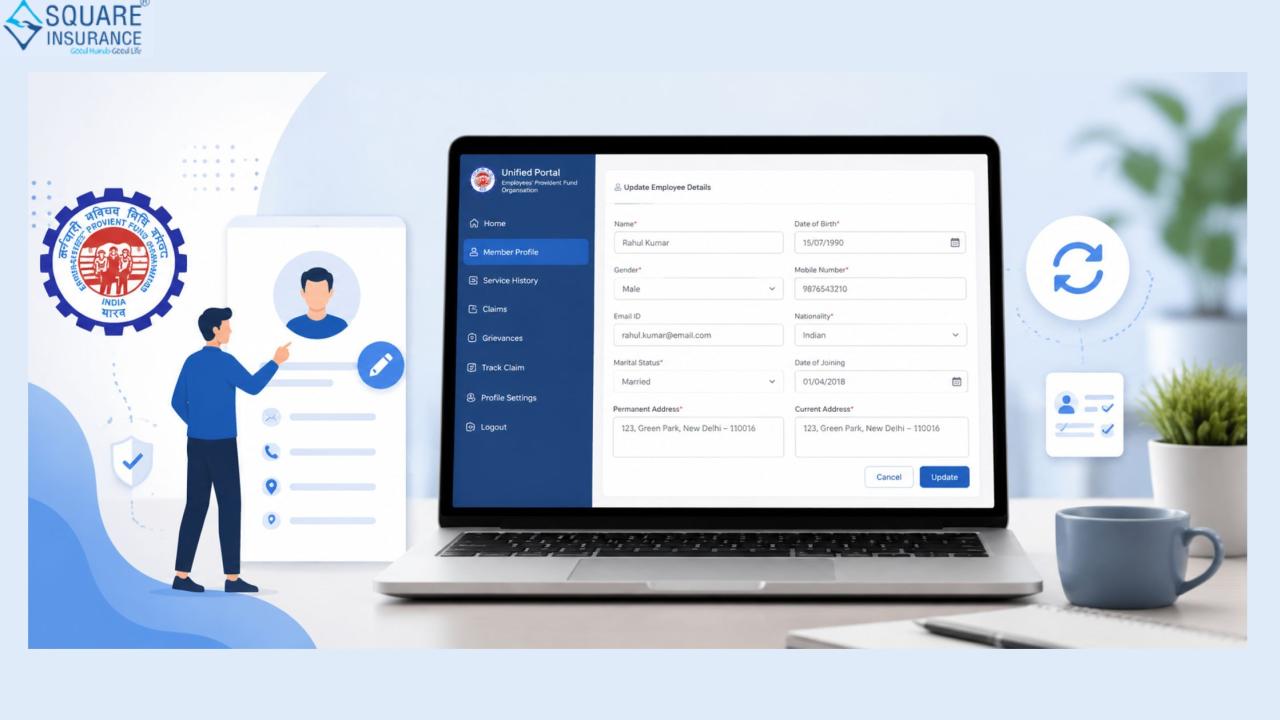
The EPFO Unified Portal has become an essential digital platform for employers to manage Provident Fund (PF) related activities efficiently. One of its most important functions is the ability to update employee details accurately and in real time. Correct employee data is crucial for smooth PF contributions, claim processing, and compliance with EPFO regulations.
Whether it is updating a name correction, date of birth, joining details, or other employment-related information, the EPFO Unified Portal provides a structured and secure system to handle these changes. This guide explains how employers can update employee details, why it is important, and best practices to follow in 2026.
Why Updating Employee Details in EPFO Matters
Maintaining accurate employee records is not just a formality—it directly impacts PF contributions and claim settlements. Even small errors in employee details can lead to delays or rejection of claims.
Some common issues caused by incorrect data include:
- Mismatch in UAN and Aadhaar details
- Delayed PF withdrawals or transfers
- Rejection of KYC verification
- Errors in service history records
- Compliance complications during audits
By ensuring timely updates through the EPFO Unified Portal, employers can avoid these issues and maintain smooth operations.
Key Employee Details That Can Be Updated
The EPFO Unified Portal allows employers to update several important employee details, including:
- Employee name corrections
- Date of birth updates (with valid proof)
- Father’s or spouse’s name corrections
- Joining and exit dates
- Mobile number and email ID updates
- Aadhaar, PAN, and bank details (via KYC verification)
- Employment status changes
All updates must be supported by valid documents to ensure authenticity and compliance.
Step-by-Step Process to Update Employee Details in EPFO Unified Portal
Updating employee information on the EPFO Unified Portal is a structured process. Employers must follow the correct steps to ensure successful submission and approval.
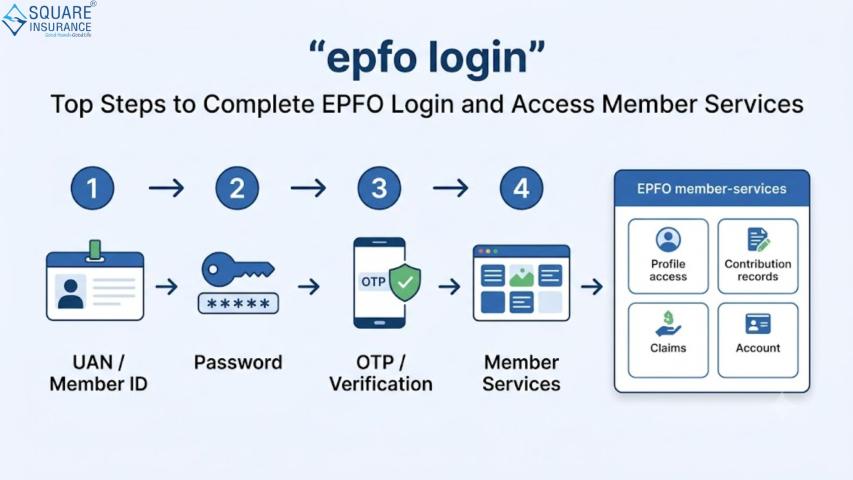
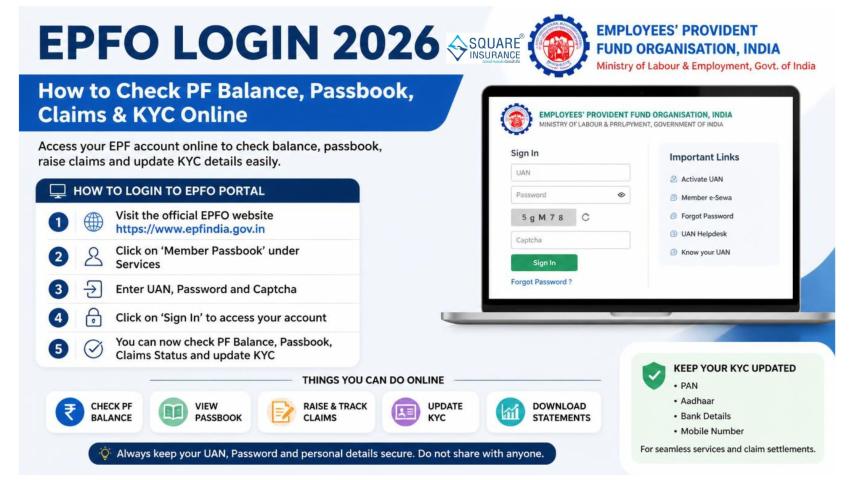
Step 1: Log in to EPFO Unified Portal
Visit the official EPFO Unified Portal and log in using your Establishment ID, username, and password. Ensure that your login credentials are active and authorized for making employee updates.
Step 2: Navigate to Member Section
Once logged in, go to the “Member” or “Employee Management” section. This area contains all options related to employee records, including viewing and editing details.
Step 3: Select Employee Profile
Search for the employee whose details need to be updated using their UAN (Universal Account Number) or member ID. Click on the employee profile to open their information dashboard.
Step 4: Choose the Information to Update
Select the specific field that requires modification. This could include personal details such as name, date of birth, or employment-related information like joining date.
Step 5: Upload Supporting Documents
EPFO requires valid proof for any updates. Upload scanned copies of supporting documents such as:
- Aadhaar card
- PAN card
- Birth certificate
- Bank passbook
- Company-issued appointment letters
Ensure that documents are clear and readable to avoid rejection.
Step 6: Verify and Submit Request
After entering the corrected details and uploading documents, carefully review the information. Once verified, submit the update request through the portal.
Step 7: Employer and EPFO Approval
The submitted request may require approval from both the employer and EPFO authorities. Once verified, the updated information will reflect in the employee’s PF account.
Role of KYC in Employee Detail Updates
KYC (Know Your Customer) verification plays a major role in the EPFO Unified Portal. Without proper KYC validation, updates may not be processed successfully.
Linking Aadhaar, PAN, and bank details ensures:
- Faster approval of updates
- Reduced chances of rejection
- Smooth PF withdrawal process
- Accurate identity verification
Employers should ensure that employee KYC is completed and verified before initiating any updates.
Common Mistakes to Avoid
While updating employee details, employers should be careful to avoid common errors such as:
- Entering incorrect UAN or member ID
- Uploading unclear or invalid documents
- Mismatch between uploaded documents and entered details
- Submitting incomplete forms
- Ignoring EPFO guidelines for updates
Even minor mistakes can delay the approval process, so accuracy is essential.
Benefits of Using EPFO Unified Portal for Updates
The EPFO Unified Portal offers several advantages for managing employee data efficiently:
1. Faster Processing
Online updates reduce manual paperwork and speed up approval times.
2. Improved Accuracy
Digital validation reduces the chances of human error in employee records.
3. Real-Time Tracking
Employers can track the status of update requests directly on the portal.
4. Easy Record Management
All employee data is stored in a centralized system for easy access and monitoring.
5. Compliance Assurance
Accurate data helps businesses remain compliant with EPFO regulations and avoid penalties.
Importance for Employers in 2026
In 2026, digital HR and payroll systems are becoming more integrated with government portals like EPFO. Employers are expected to maintain real-time accuracy in employee records.
Using the EPFO Unified Portal effectively helps organizations:
- Maintain transparent employee records
- Avoid compliance issues
- Improve payroll accuracy
- Ensure smooth employee onboarding and exit processes
This makes the portal an essential tool for HR and finance departments.
Best Practices for Updating Employee Information
To ensure smooth processing of updates, employers should follow these best practices:
- Verify employee documents before submission
- Maintain updated records in HR systems
- Regularly check EPFO notifications and guidelines
- Train HR staff on portal usage
- Keep digital copies of all submitted documents
- Ensure consistency between payroll and EPFO records
Following these practices helps reduce errors and ensures timely approvals.
Conclusion
Updating employee details in the EPFO Unified Portal is a crucial responsibility for employers managing PF accounts. The platform simplifies the process by offering a structured, digital, and transparent system for making corrections and updates.
By following the correct step-by-step procedure, ensuring proper documentation, and maintaining accuracy, employers can avoid delays and compliance issues. In 2026, as digital governance continues to expand, the EPFO Unified Portal remains an essential tool for efficient employee data management and smooth Provident Fund operations.