What Is WorkoutStack?
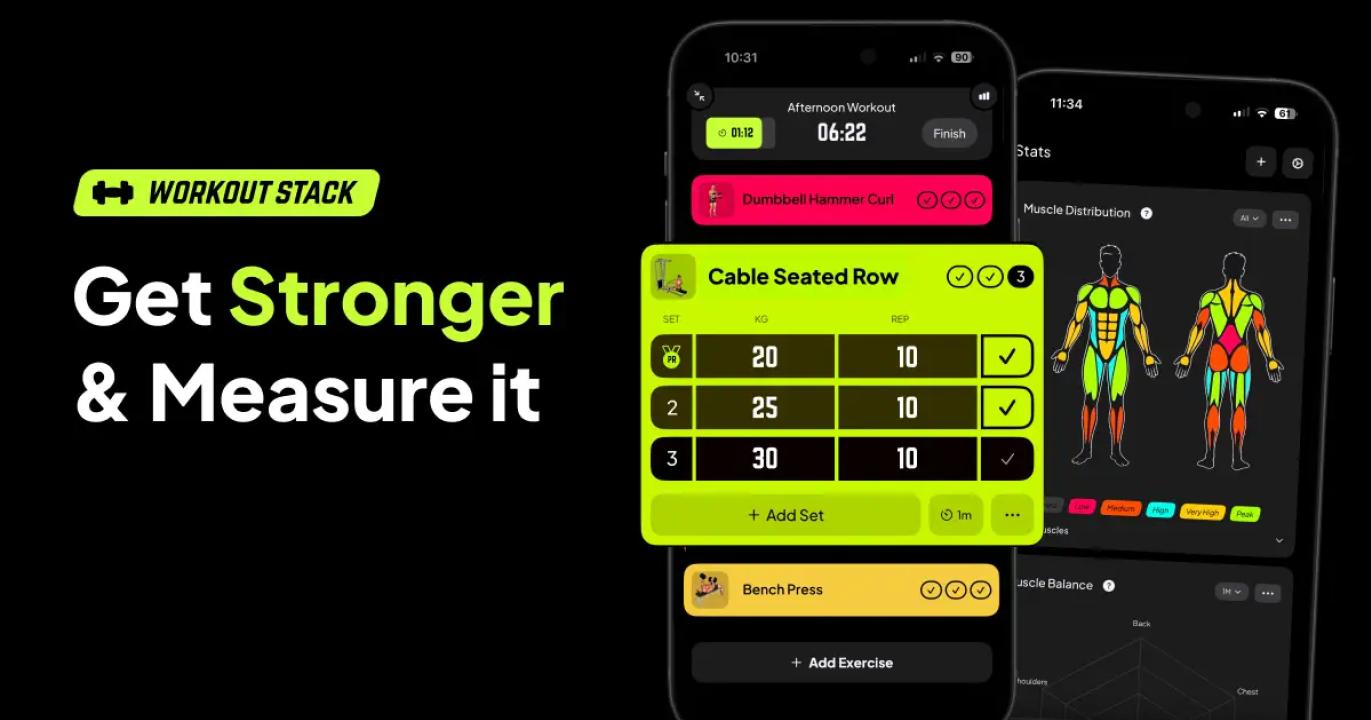
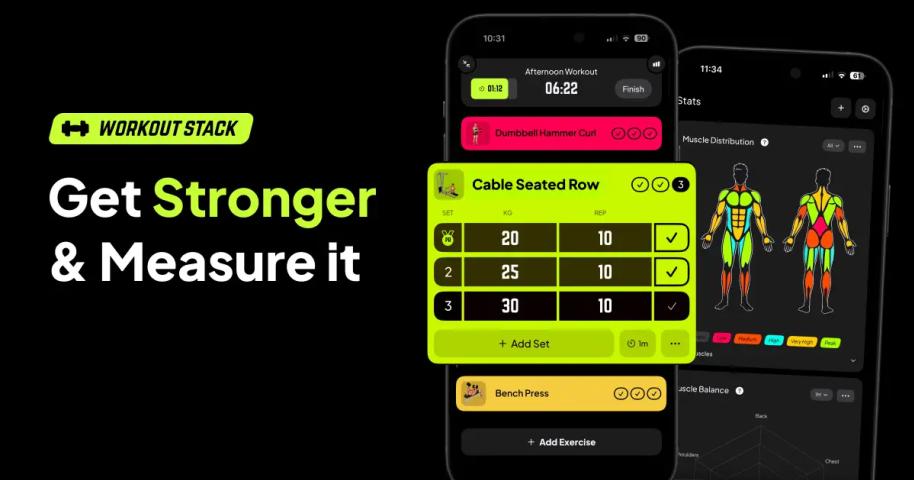
WorkoutStack is a free iOS app designed as a stripped-down, fast-logging alternative to feature-bloated fitness apps. It's built specifically to track strength training workouts, letting users log sets, reps, and weights while staying focused on the actual gym session rather than managing complex software.
The app centers on three core strengths: speed, simplicity, and offline functionality. There's no account signup required, it works without internet, and the interface is optimized to get data logged quickly between sets.
Key Features
Fast Set Logging: Color-coded exercises collapse as you complete them, keeping the active workout view clutter-free. The UI is designed for one-handed, rapid input.
Exercise Library: 2,900+ exercises with form videos included. Users can confirm proper technique and posture before attempting unfamiliar movements.
Routine Management: Build and organize custom workout routines, switch between programs, and save templates for recurring splits.
Stats Dashboard: Create custom charts and analytics to visualize progress over time—one-rep max trends, volume progression, muscle group distribution.
Offline-First: No internet needed. Log everything locally, sync later if desired (though the app works fully offline).
No Account Required: Install, start logging, done. Privacy-friendly approach with no mandatory login.
Use Cases
Strength Athletes & Powerlifters: Track detailed lift progression across meet cycles. The lightweight interface suits focused training where data density matters more than social features.
Competitive Bodybuilders: Monitor volume per muscle group, track exercises by body part, and log intensity metrics. The custom stats dashboard supports data-heavy training analysis.
Gym Beginners: The 2,900-exercise library with form videos provides guidance for anyone learning proper technique. No intimidating social elements or pressure.
Minimalist Fitness Enthusiasts: Users tired of app bloat (social feeds, coaching upsells, premium gating). WorkoutStack is intentionally simple—you get gym logging, nothing else.
Consistent Loggers: For lifters who've been training for years and know their routine; the speed of logging prioritizes habit maintenance over motivation features.
Offline / Low-Connectivity Users: Gyms with poor WiFi, travelers, or anyone who prefers data stored locally rather than cloud-synced.
Athletes Supplementing Other Training: Runners, climbers, or sport-specific athletes adding strength work can quickly log secondary training without switching apps or managing complex integrations.
Target Audience
WorkoutStack appeals to pragmatic gym-goers who log workouts methodically and view their tracker as a simple record-keeping tool, not a social platform or training coach. The app avoids gamification, notifications, and algorithmic motivation—it's for people who show up and log their lifts.
Positioning
In a crowded fitness app market dominated by polished platforms like Strong!, FitBod, and nSuns, WorkoutStack positions as the anti-bloat alternative. It mirrors the minimalist app philosophy of tools like Strava or Day One—do one thing well and get out of the way. The free, account-free model suggests indie bootstrapping rather than VC-backed growth obsession.
Conclusion
WorkoutStack fills a specific niche: strength trainees who want fast, reliable logging without friction. If your gym app spends more screen real estate on notifications and premium paywalls than on actually tracking your lifts, WorkoutStack is the reset button.