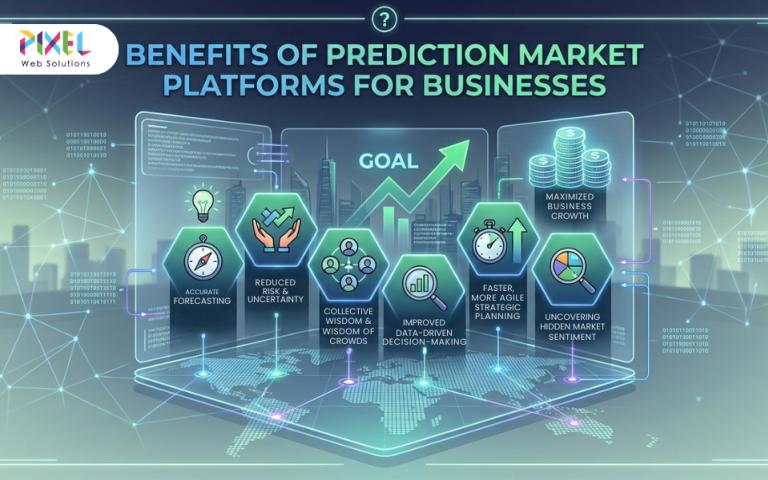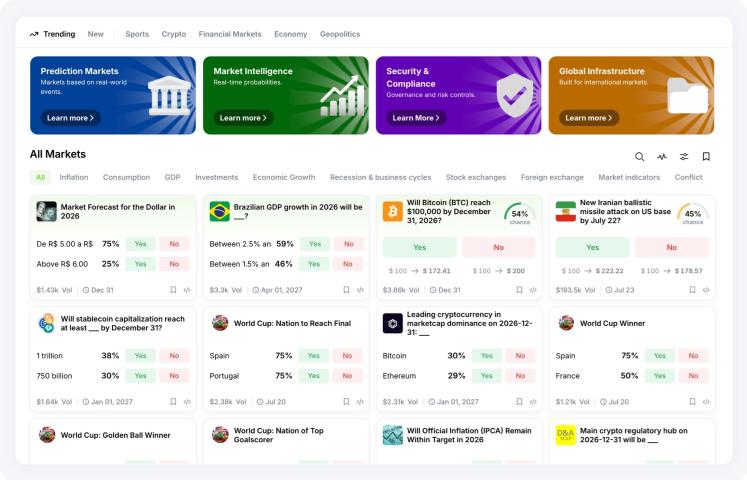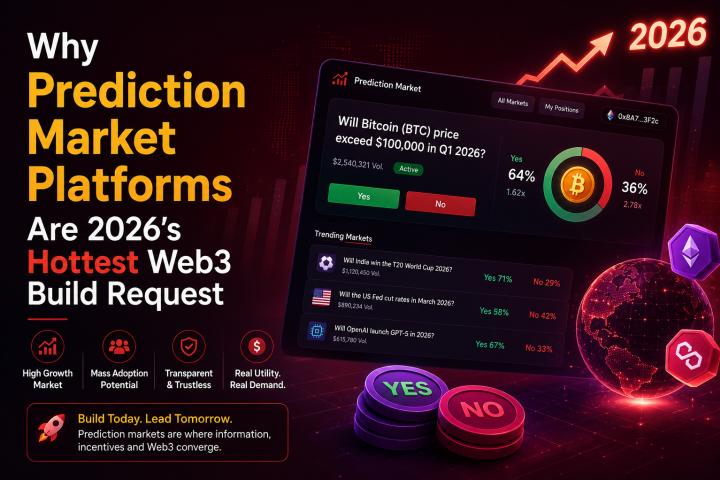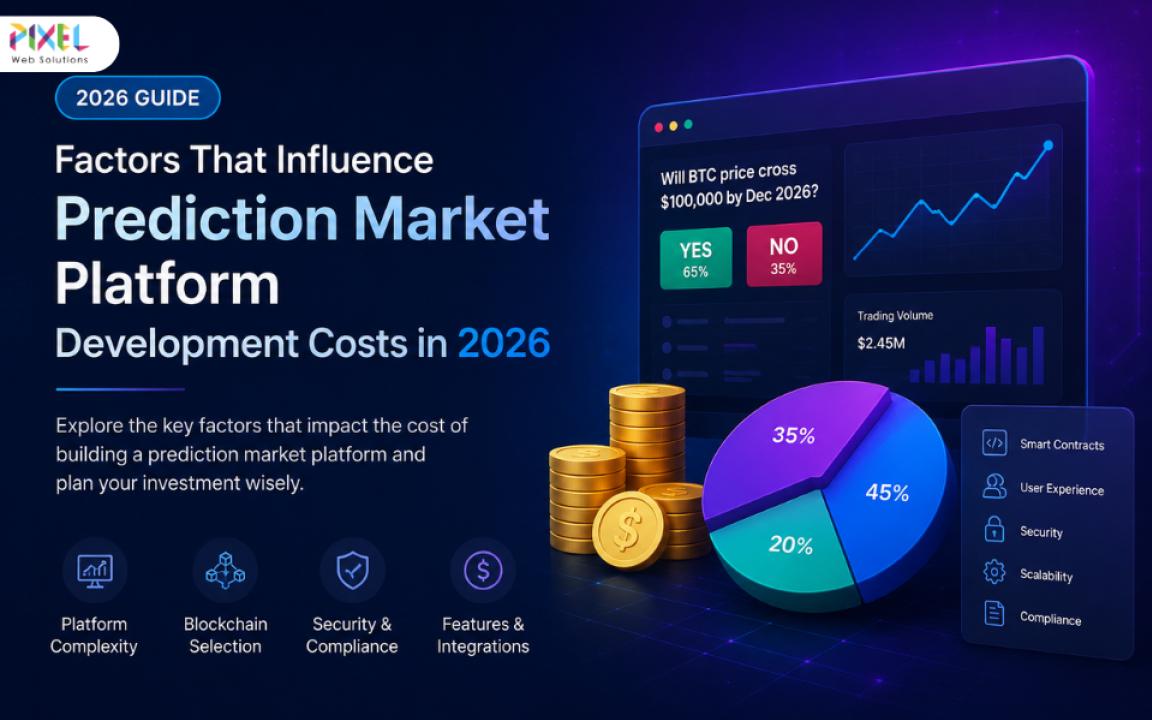
Prediction markets have grown significantly in recent years, especially with the emergence of blockchain technology and decentralized finance (DeFi). Platforms like Polymarket have demonstrated how users can trade on the outcomes of future events, creating new opportunities for businesses, investors, and entrepreneurs. As interest in this sector continues to grow, one of the most common questions businesses ask is: How much does it cost to develop a prediction market platform in 2026?
The answer depends on several factors. From platform architecture and feature complexity to blockchain selection and security requirements, multiple elements can influence the overall development budget. Understanding these cost drivers can help businesses plan effectively and avoid unexpected expenses during the development process.
Understanding Prediction Market Platforms
A prediction market platform is an online marketplace where users can speculate on the outcomes of future events. These events may involve politics, sports, financial markets, cryptocurrency prices, entertainment, and more. Users buy and sell shares based on their predictions, and payouts are determined by the actual outcomes.
The growing popularity of decentralized applications and blockchain-based trading platforms has increased demand for prediction market solutions. However, building a reliable and scalable platform requires careful planning and investment.
Key Factors That Influence Prediction Market Platform Development Costs
1. Platform Type and Business Model
One of the first aspects influencing development expenses is the sort of platform you intend to create.
A centralized prediction market platform is generally less expensive because a single organization manages transactions, user accounts, and data. On the other hand, decentralized prediction markets rely on smart contracts and blockchain networks, which require specialized development expertise and additional security measures.
Hybrid models that combine centralized management with decentralized features can also impact costs depending on the level of blockchain integration.
2. Feature Complexity
The functionality you incorporate into your platform has a significant effect in deciding development expenses.
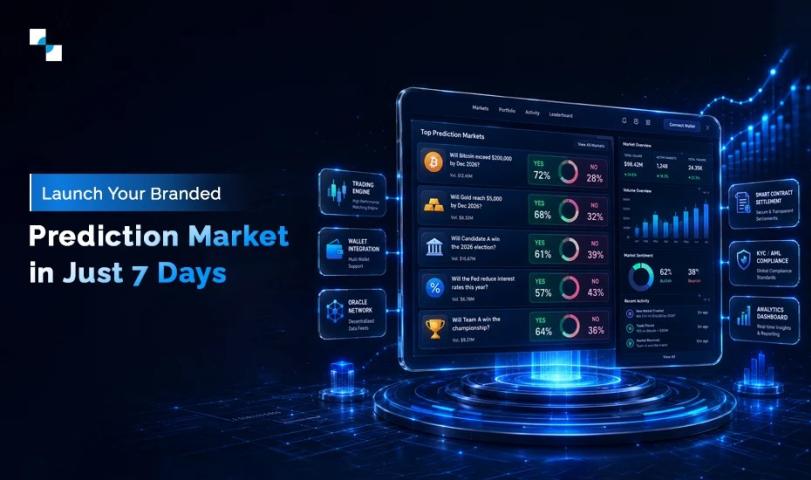
Basic features typically include:
User registration and authentication
Market creation and management
Trading engine
Wallet integration
Real-time notifications
Advanced features can significantly increase development efforts and costs. These may include:
Automated Market Makers (AMMs)
AI-powered market analytics
Social trading features
Governance mechanisms
Multi-language support
Advanced reporting dashboards
The more sophisticated the feature set, the more development time and resources are required.
3. Blockchain Network Selection
For decentralized prediction markets, the choice of blockchain network has a direct impact on development costs.
Factors such as transaction speed, gas fees, scalability, and smart contract capabilities influence the overall budget. Some blockchain networks require additional optimization and customization to ensure efficient performance.
Businesses should carefully evaluate their blockchain options based on project goals, user expectations, and long-term scalability requirements.
4. Smart Contract Development and Auditing
Smart contracts are the backbone of decentralized prediction market platforms. They automate market creation, trade execution, settlement, and reward distribution without requiring intermediaries.
Developing secure smart contracts requires experienced blockchain developers. Additionally, security audits are essential to identify vulnerabilities before launch.
While smart contract auditing adds to the project budget, it is a necessary investment that helps protect user funds and platform credibility.
5. User Interface and User Experience Design
An intuitive and visually appealing interface can significantly influence user adoption and retention.
Prediction markets often involve complex trading mechanisms, so the platform must present information clearly and efficiently. A well-designed dashboard, responsive layout, interactive charts, and seamless navigation require dedicated UI/UX design efforts.
Custom design work generally costs more than using pre-built templates, but it can provide a stronger competitive advantage and improve user satisfaction.
6. Regulatory Compliance Requirements
Compliance has become increasingly important in the prediction market industry.
Depending on the target region, businesses may need to implement:
Know Your Customer (KYC) verification
Anti-Money Laundering (AML) procedures
Data protection compliance
Identity verification systems
Integrating compliance solutions and obtaining legal guidance can increase development costs, but these measures help reduce regulatory risks and support long-term business growth.
7. Liquidity Management Systems
Liquidity is critical for the success of any prediction market platform. Without enough liquidity, users may struggle to execute trades efficiently.
Many modern platforms implement liquidity pools and Automated Market Makers to ensure active trading environments. Building and maintaining these systems requires additional development expertise, making liquidity infrastructure another important cost factor.
8. Third-Party Integrations
Most prediction market platforms rely on external services to enhance functionality and user experience.
Common integrations include:
Cryptocurrency wallets
Payment gateways
Oracle services
Analytics platforms
Push notification systems
The complexity and number of integrations can affect both development timelines and overall costs. Some services may also involve ongoing subscription or licensing fees.
9. Development Team Expertise
The experience and location of your development team can significantly influence project costs.
Businesses can choose from:
Freelance developers
In-house development teams
Specialized blockchain development companies
While hiring experienced professionals may require a larger initial investment, it often results in higher-quality products, fewer technical issues, and faster development cycles.
10. Security and Scalability Requirements
Security is a top priority for prediction market platforms because they handle financial transactions and user assets.
Key security measures include:
Multi-factor authentication
Data encryption
Secure wallet management
DDoS protection
Continuous monitoring
In addition, businesses should design their platforms for future growth. Scalability planning ensures the platform can handle increased user activity and transaction volumes without performance issues.
Although implementing advanced security and scalability measures increases initial costs, it helps reduce long-term operational risks and future redevelopment expenses.
How to Optimize Development Costs
Businesses looking to reduce costs should consider launching with a Minimum Viable Product (MVP). An MVP focuses on core functionality while allowing teams to gather user feedback before investing in advanced features.
Choosing the right blockchain network, prioritizing essential features, and partnering with an experienced development company can also help optimize budgets without sacrificing quality.
Most importantly, businesses should plan for long-term growth rather than focusing solely on initial development expenses. Investing in scalable architecture and robust security from the beginning can lead to significant cost savings over time.
Conclusion
The cost of prediction market platform development in 2026 depends on various factors, including platform type, feature complexity, blockchain selection, security requirements, and compliance needs. Understanding these elements can help businesses accurately estimate the cost to build a prediction market platform and make strategic decisions that support long-term growth and profitability.
There is no one-size-fits-all budget because every project has unique goals and technical requirements. By understanding these key cost drivers, businesses can make informed decisions, allocate resources effectively, and build a platform that delivers long-term value.
Whether you're planning to launch a basic MVP or a fully featured decentralized prediction market platform, careful planning and the right development strategy will play a crucial role in determining both your costs and your success.