Choosing the right treatment for hair loss can feel overwhelming. There are so many options available today, and it is not always easy to know which one is actually backed by real clinical results. If you have been researching hair transplant methods, chances are you have come across the term DHI more than once, and you probably have a long list of questions before committing to anything.
This guide answers the most common questions patients ask before visiting a dhi hair restoration clinic. Whether you are at the very beginning of your research or close to booking a consultation, this should give you a clear and honest picture of what to expect, how the procedure works, and what kind of results are realistic.
What Is a DHI Hair Restoration Clinic and How Does It Work?
DHI stands for Direct Hair Implantation. It is a refined version of the traditional FUE hair transplant technique, where individual hair follicles are extracted from a donor area, usually the back of the scalp, and implanted into thinning or balding areas.
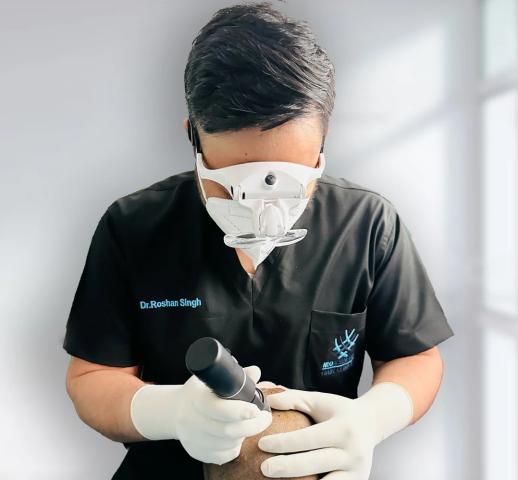
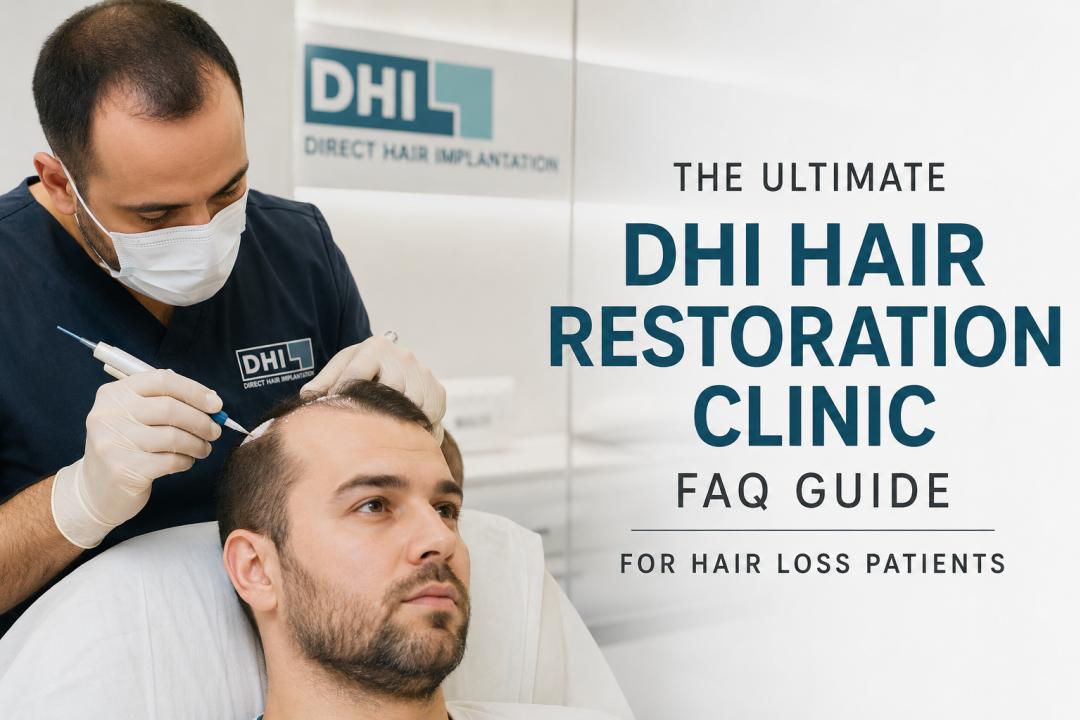
What sets DHI apart is the tool used during implantation. Instead of creating incisions first and placing grafts afterward, a specialised pen-shaped tool called a Choi Implanter Pen is used to extract and implant the follicle in a single motion. This allows the practitioner to control the angle, depth, and direction of each hair with a high level of precision, which directly affects how natural the final result looks.
A clinic that specialises in this method will usually have practitioners trained specifically in handling the implanter pen, since the technique requires more skill and a steadier hand compared to traditional methods.
Why Choose a DHI Hair Restoration Clinic for Hair Loss Treatment?
The biggest reason patients choose this approach is the level of precision it offers. Because follicles are implanted directly without pre-made incisions, there is less trauma to the scalp tissue, which often means faster healing and reduced scarring.
Another reason is graft survival. Since the time between extraction and implantation is shorter with this method, the follicles spend less time outside the body. This can improve the chances of the graft surviving and growing successfully once implanted.
Patients also tend to prefer this method for areas that require a more natural-looking hairline, such as the front hairline or temple points, where the angle and direction of each hair really matters.
What Makes DHI Different from Other Hair Transplant Methods?
The main difference comes down to the implantation step. In traditional FUE, the surgeon first creates small incisions across the recipient area, then places the extracted grafts into those incisions one by one. With DHI, both steps happen at the same time using the implanter pen, removing the need for separate incisions altogether.
This difference might sound small, but it has a real impact on the outcome. Because there is no need to create channels in advance, the practitioner has more flexibility to adjust the density and direction of each graft as they go. This often results in a more natural distribution of hair, particularly in areas where precision matters most.
Recovery time can also be slightly shorter with this method, since the scalp experiences less overall trauma compared to traditional incision-based techniques.
Who Is an Ideal Candidate for DHI Hair Restoration?
Good candidates are usually people who have a stable donor area with enough healthy hair follicles to work with. This treatment works well for both men and women dealing with pattern hair loss, receding hairlines, or thinning crowns.
Age, the extent of hair loss, and the overall health of the scalp all play a role in determining candidacy. People with completely depleted donor areas may not see the same results, since the procedure depends heavily on having sufficient healthy follicles to transplant.
A proper consultation is the only reliable way to know if you are a suitable candidate. A specialist will examine your scalp, assess your donor density, and discuss your hair loss pattern before recommending a treatment plan.
How Successful Is Treatment at a DHI Hair Restoration Clinic?
Success rates depend on several factors, including the skill of the practitioner, the quality of the donor hair, and how well the patient follows aftercare instructions. When performed correctly, this method has a strong track record of producing natural-looking, long-lasting results.
Most patients begin to notice initial growth within three to four months, with fuller results becoming visible between eight and twelve months after the procedure. Final results are usually assessed around the twelve to fifteen month mark, once the transplanted hair has fully matured.
The Skin and Hair Clinic takes a thorough approach to patient assessment before any procedure, which plays a major role in achieving consistent, reliable outcomes. Choosing a clinic with experienced practitioners and a clear track record matters just as much as the technique itself.
What Happens During a DHI Hair Restoration Procedure?
The process begins with the practitioner shaving the donor area, usually at the back of the head, before extracting individual follicles using a fine punch tool. These follicles are kept in a special holding solution to preserve them while the implantation begins.
Using the implanter pen, the practitioner then places each follicle directly into the targeted area, carefully controlling the angle and direction to match the natural pattern of hair growth. This step requires patience and a steady hand, since the final appearance depends heavily on how naturally each graft is placed.
Local anaesthesia is used throughout the procedure, so patients remain awake and comfortable but do not feel pain during the extraction or implantation process.
How Long Does a DHI Hair Restoration Session Take?
Session length depends on the number of grafts being transplanted. A smaller session focused on the hairline might take around four to five hours, while a more extensive procedure covering a larger area could take six to eight hours.
Larger cases are sometimes split across two consecutive days to avoid fatigue for both the patient and the practitioner, which can help maintain a consistent quality of work throughout the procedure.
Is DHI Hair Restoration Painful?
Most patients describe the procedure as relatively comfortable, largely because local anaesthesia is used to numb the scalp before any extraction or implantation begins. There might be a brief pinch when the anaesthesia is first administered, but the rest of the procedure is generally pain free.
After the procedure, mild soreness, tightness, or slight swelling in the treated area is common for the first few days. This usually settles on its own and can be managed with the aftercare guidance provided by the clinic. Compared to more invasive surgical procedures, recovery tends to be smoother and more manageable for most patients.
Take the Next Step Toward Fuller Hair
If you have been putting off dealing with hair loss because you were not sure which option was right for you, now is a good time to get the answers you actually need. A proper consultation at a qualified dhi hair restoration clinic gives you a clear, honest picture of what results you can realistically expect based on your own scalp and hair pattern.
Do not rely on guesswork or generic advice found online. Book a consultation with a specialist, ask the questions that matter most to you, and walk away with a treatment plan built specifically around your needs. The sooner you start the conversation, the sooner you can move toward a fuller, more confident head of hair.