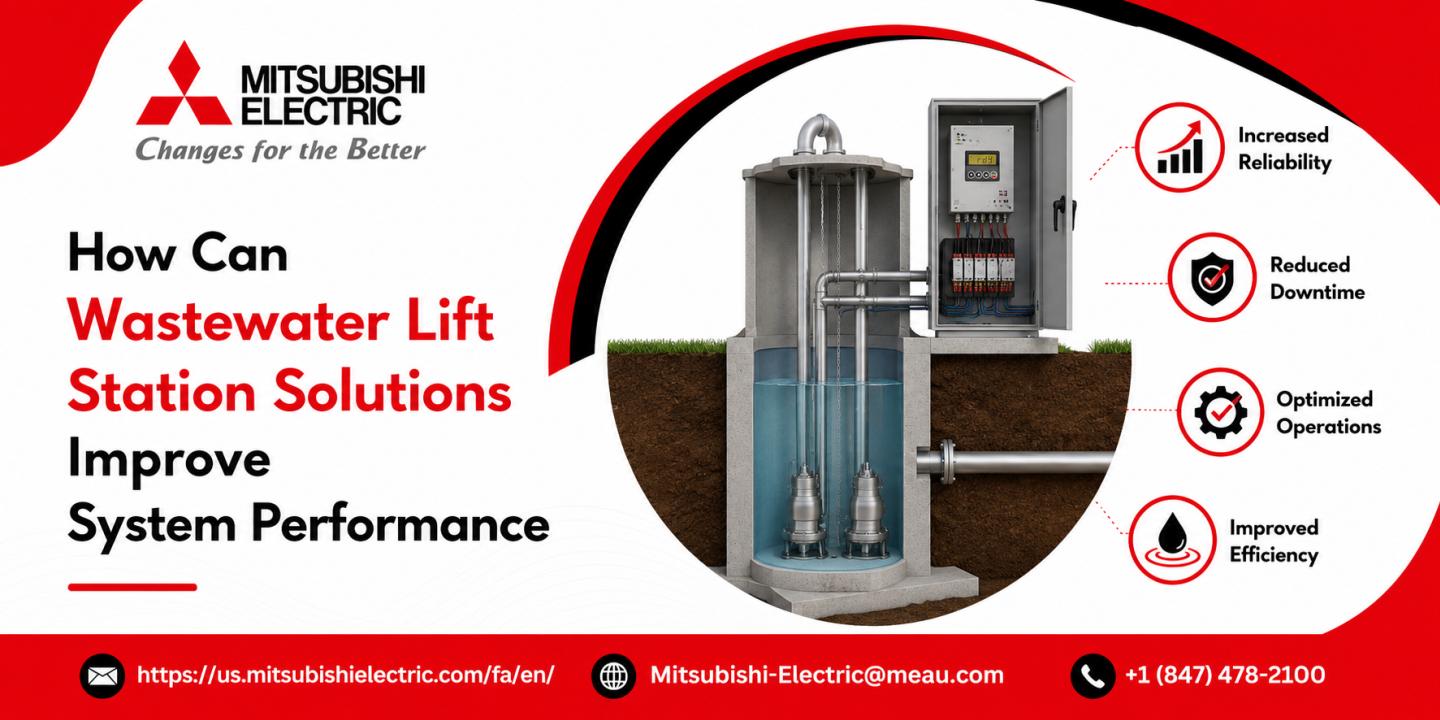
It's not always a simple task to transport wastewater from low-lying areas to wastewater treatment plants. Pump stations can be critical in many municipal and industrial systems to ensure efficient pumping, particularly in zones of topography or growth. Wastewater lift station solutions prove to be significant when systems age or demand rises.
The objective of modernizing the lift station is to not just maintain the pumps; the goal is to improve the lift station as a whole. They can help make the system more efficient, decrease maintenance problems, reduce downtime and give operators the insight necessary for the day-to-day operation. The right solutions can be used to support operational performance and reliability for both the short and long term.
Why Are Lift Stations Critical to Wastewater Systems?
Lift stations are vital to transporting wastewater in a safe and efficient manner.
They Keep Wastewater Flowing
If it is not possible to pump the wastewater by gravity, lift stations pump it to a higher elevation where the water can flow through the collection system.
Inadequate lift stations may cause wastewater to backup into sewer systems, backup or interfere with treatment processes.
Reliable Performance Protects the Entire System
One lift station issue can impact several sections of the collection system.
These facilities operate efficiently to minimize disruption of services and contribute to regular conveyance of wastewater.
What Challenges Affect Lift Station Performance?
All systems, no matter how well designed, wear out over time.
Equipment Ages With Continuous Use
Lift stations are frequently present 24 hours a day.
As time goes on, other parts like pumps, motors, valves and control systems are subject to a normal wear that can lead to reduced efficiency or more frequent maintenance.
Debris Can Create Operational Problems.
Some material that flows into the wastewater system can cause normal pump operation to be disrupted.
Common issues include:
• Wipes and rags
• Grease buildup
• Fibrous materials
• Sediment accumulation
This is because it is easier to keep performance steady if the challenges are addressed early.
How Do Modern Wastewater Lift Station Solutions Improve Efficiency?
The opportunities to enhance lift station operations have grown with technology.
Smarter Pump Control
Modern control systems enable pumps to only run when necessary and under proper conditions.
This can improve:
• Energy efficiency
• Pump performance
• Equipment lifespan
• Operational consistency
Optimized control strategies can also minimize additional cycling, which helps minimize equipment wear.
Better System Automation
With automation, operators can monitor and adjust the performance of the system, reducing the need for only manual inspections.
Automated controls can be fast acting and adapt to the operating condition changes and can assist in maintaining system response stability.
Why Is Lift Station Monitoring Important?
Monitoring is very useful for operations.
Real-Time Information Supports Faster Decisions
Properly lift station monitoring provides operators with valuable information about their system, including:
• Pump status
• Wet well levels
• Alarm conditions
• Power interruptions
• Equipment performance
Operators have better information to respond quicker when conditions change.
Early Detection Reduces Downtime
Equipment issues are not sudden, but rather occur over time.
By monitoring continuously, this can help to detect unusual operating conditions before it becomes a significant failure, enabling maintenance teams to take action before problems arise.
How Can Facilities Reduce Pump Clogs?
Clogging is still one of the most frequent maintenance issues.
Preventive Strategies Improve Reliability
Many wastewater lift station clog solutions address the problem of debris buildup prior to its ability to affect pump operations.
Common approaches include:
• Improved screening
• Pump designs that better handle solids
• Routine cleaning programs
• Operational adjustments
The kind of solution will depend on the nature of the wastewater that is being processed.
Reducing Clogs Helps Lower Maintenance
Fewer pump blockages often result in:
• Less unplanned maintenance
• Reduced service interruptions
• Improved equipment availability
• Lower operating costs
Consistent flow also supports overall collection system performance.
When Should Lift Stations Be Upgraded?
Not every performance issue requires a complete replacement.
Aging Equipment May Limit Efficiency
Older infrastructure can be more prone to failure or be more difficult to maintain.
During these situations, wastewater lift station upgrades could be accomplished with a replacement of pumps, controls, motors or electrical systems, with most of the existing systems remaining in place.
Specific improvements can be made to enhance performance without a new facility being built.
How Do Data and Automation Support Better Operations?
Modern wastewater management increasingly relies on operational data.
Better Data Improves Maintenance Planning
Historical performance data enables the operator to identify periodic problems and schedule the necessary maintenance activities.
Instead of reacting only after equipment fails, teams can schedule service based on actual operating conditions.
This approach often improves equipment reliability.
Automation Supports Consistent Performance
Automated systems can fine-tune performance to meet varying demands while keeping the operation consistent.
This uniformity helps optimize system performance and minimises unnecessary manual handling.
FAQs
How do wastewater lift station solutions improve system performance?
Wastewater lift station solutions increase reliability, enable efficient wastewater transport, decrease maintenance requirements, and enable operators to manage equipment more effectively.
Why is lift station monitoring important?
Lift station monitoring offers up-to-the-minute operating data to assist in early detection of equipment problems, minimize downtime and enhance maintenance planning.
When are wastewater lift station upgrades necessary?
Conditions that may require upgrades to wastewater lift stations include when equipment becomes unreliable, maintenance fees rise, capacity requirements expand or newer technologies can enhance the overall system performance.
Conclusion
The operation of the lift stations is a critical component of wastewater systems, and if they are not operating efficiently, the system is not as dependable. Operating requirements continue to escalate; utilities are seeking to get more efficient, and minimize maintenance issues.
Whether it's better controls, better monitoring, clog reduction or targeted equipment upgrades, investing in wastewater lift station solutions can enhance system performance and create reliable wastewater management for years.