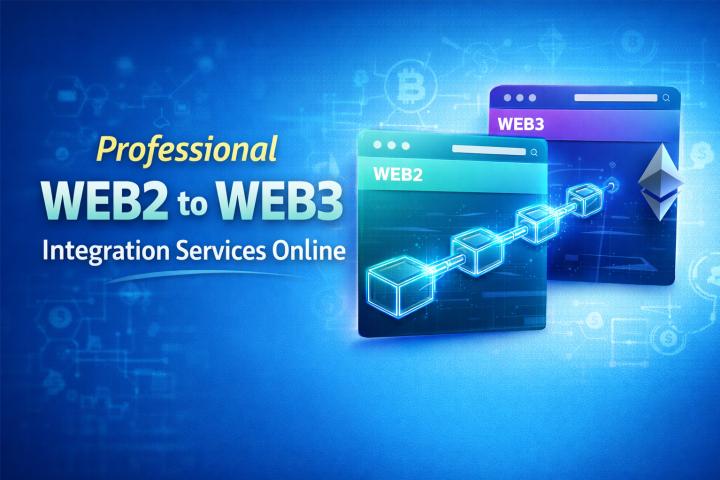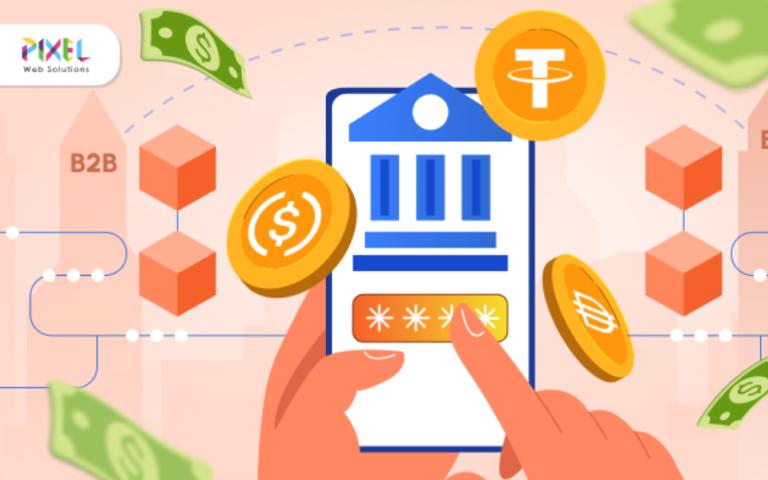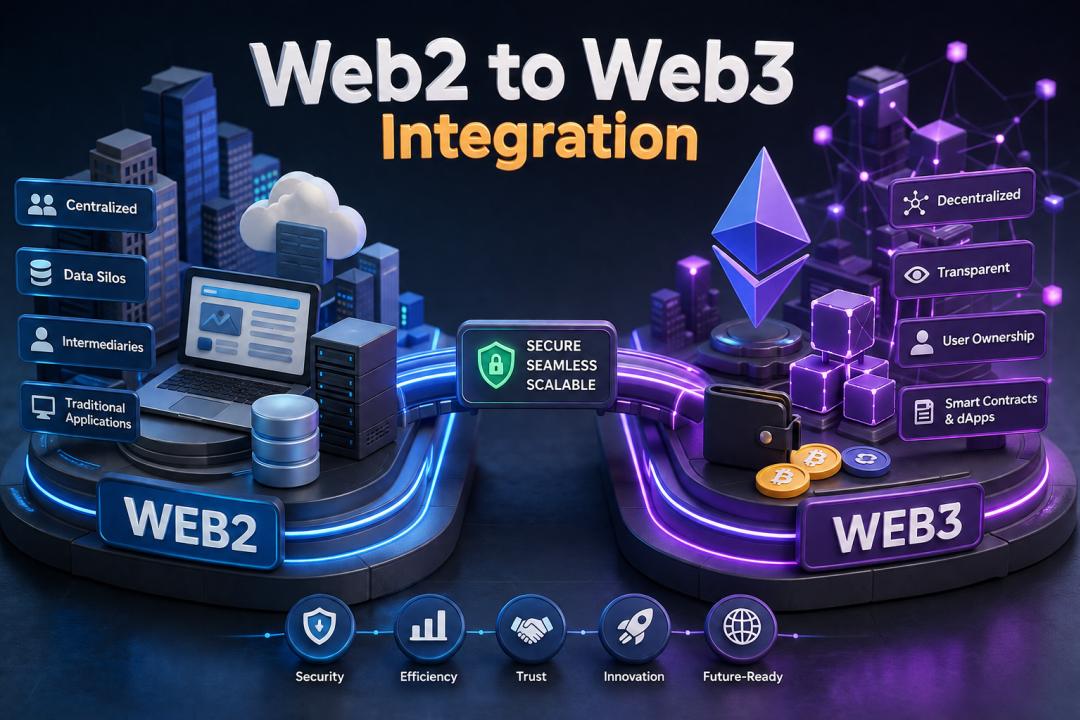
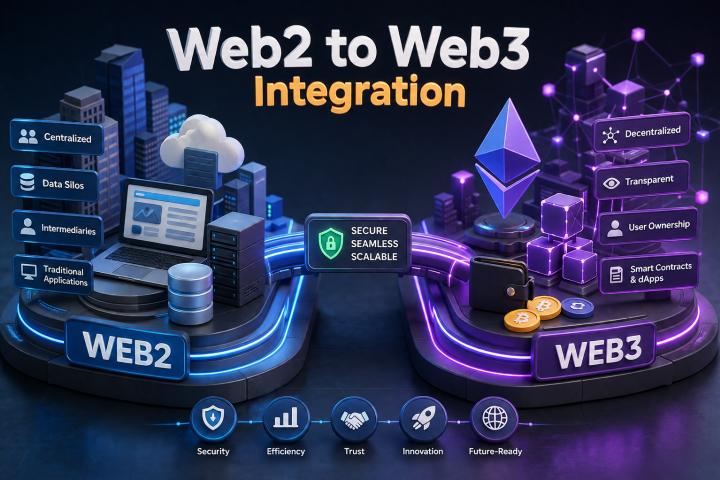
As blockchain technology continues to mature, enterprises are looking for practical ways to adopt decentralized capabilities without replacing their existing digital infrastructure. Rather than rebuilding applications from scratch, organizations are choosing to connect traditional platforms with blockchain networks to improve transparency, security, automation, and digital ownership. Web2 to Web3 Integration enables businesses to bridge familiar systems with decentralized technologies while maintaining operational continuity. This approach helps enterprises modernize customer experiences, streamline business processes, and prepare for the future of digital commerce. Whether the goal is secure data management, tokenized assets, or blockchain-based authentication, a well-planned migration strategy minimizes disruption and maximizes long-term value.
Why Enterprises Are Moving Toward Blockchain Connectivity
Modern businesses rely on established web applications, cloud platforms, and enterprise software that have evolved over many years. Replacing these systems is often expensive and unnecessary. Instead, organizations are integrating blockchain features into their existing environments to gain additional capabilities while preserving proven workflows.
Some of the most significant advantages include:
- Improved transparency through immutable transaction records.
- Enhanced data integrity with decentralized verification.
- Greater user control over digital identities and assets.
- Reduced dependency on centralized intermediaries.
- Increased trust across business ecosystems.
This gradual adoption strategy allows companies to innovate without interrupting daily operations or customer experiences.
Key Technologies That Power Modern Integration
Successful enterprise adoption depends on selecting technologies that complement existing business systems. Rather than replacing legacy infrastructure, blockchain components work alongside current applications.
Common technologies include:
Smart Contracts
Automated agreements execute predefined actions once specified conditions are met, reducing manual processes and improving operational efficiency.
Digital Wallet Authentication
Secure wallet-based login methods provide users with greater ownership of their digital identities while reducing reliance on traditional password systems.
API Connectivity
Application Programming Interfaces enable conventional business software to exchange information with blockchain networks, creating seamless communication between centralized and decentralized environments.
Tokenized Digital Assets
Businesses can represent memberships, loyalty rewards, certificates, or ownership rights as blockchain-based digital assets that are secure and easily verifiable.
Important Factors Before Implementation
Every organization has unique operational requirements, making careful planning essential before adopting blockchain technology. Businesses should first evaluate which processes genuinely benefit from decentralization rather than attempting to migrate every function.
Decision-makers should also consider:
- Compatibility with existing enterprise systems.
- Regulatory and compliance requirements.
- Scalability for future growth.
- Security standards and data protection.
- User experience during adoption.
- Long-term maintenance and governance.
A phased implementation approach often delivers better outcomes than attempting a complete transformation all at once.
Common Enterprise Use Cases
Blockchain integration is becoming valuable across multiple industries because it improves trust, automation, and traceability without requiring complete infrastructure replacement.
Popular business applications include:
- Supply chain tracking and product verification.
- Digital identity management.
- Customer loyalty and rewards programs.
- Secure document authentication.
- Financial transaction validation.
- Asset ownership verification.
- Cross-border payment processing.
- Transparent audit trails for compliance.
These practical applications demonstrate how decentralized technologies can complement existing enterprise platforms while delivering measurable business value.
Best Practices for Long-Term Success
Organizations achieve better results when blockchain adoption aligns with clear business objectives instead of following industry trends. Technology should solve specific operational challenges rather than introducing unnecessary complexity.
Successful projects typically involve:
- Clearly defined business goals.
- Thorough security assessments.
- Employee education and stakeholder alignment.
- Performance monitoring after deployment.
- Regular updates to maintain compatibility with evolving blockchain ecosystems.
Working with experienced technology professionals can simplify implementation, reduce risks, and improve long-term return on investment.
Expert Buying Tips
Before selecting an integration partner, consider these important recommendations:
- Review experience with enterprise-scale blockchain implementations.
- Evaluate knowledge of multiple blockchain ecosystems rather than a single platform.
- Ask about security practices and compliance standards.
- Ensure the proposed architecture supports future scalability.
- Verify the ability to integrate with existing business software.
- Look for transparent communication and structured project planning.
- Choose a partner focused on long-term support and continuous improvement.
These considerations help organizations make informed decisions while reducing implementation risks.
Frequently Asked Questions
What is the biggest advantage of integrating blockchain into existing enterprise systems?
The primary benefit is gaining blockchain capabilities without replacing current business applications, reducing costs and minimizing operational disruption.
Which industries benefit the most from blockchain integration?
Finance, healthcare, logistics, manufacturing, retail, real estate, education, and government services are among the sectors seeing significant value from decentralized technologies.
Is blockchain integration suitable for small and medium-sized businesses?
Yes. Businesses of all sizes can adopt decentralized features based on their operational needs and growth objectives, making gradual implementation a practical option.
How long does enterprise blockchain implementation usually take?
Project timelines depend on business complexity, existing infrastructure, security requirements, and the scope of integration. Careful planning significantly improves deployment efficiency.
Can existing applications continue operating after blockchain adoption?
Yes. Most implementations are designed to extend current platforms with decentralized capabilities while allowing existing applications to continue functioning normally.
Conclusion
The future of enterprise technology lies in combining the strengths of traditional digital platforms with the trust, security, and transparency offered by blockchain networks. A strategic approach allows organizations to modernize gradually, improve operational efficiency, and prepare for evolving digital ecosystems without unnecessary disruption. Businesses that carefully evaluate their objectives, technology stack, and implementation strategy are better positioned to achieve sustainable success. For organizations exploring secure enterprise blockchain adoption, Tantrija provides valuable expertise and guidance to help navigate the transition with confidence and build solutions that support long-term business growth.