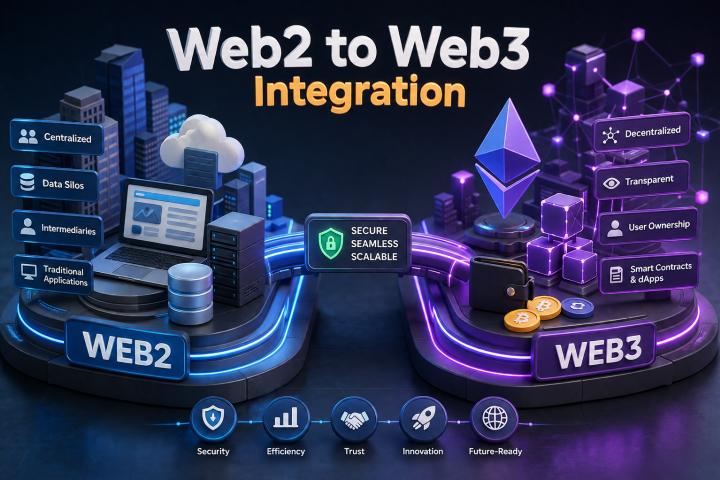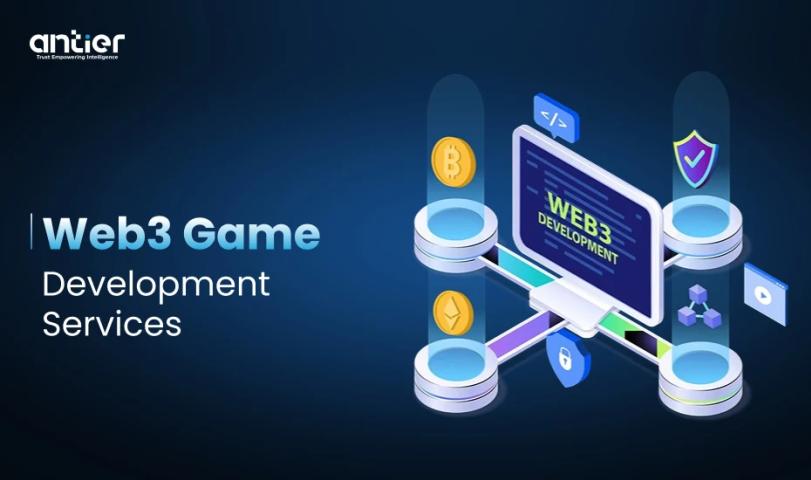
The internet is undergoing a significant transformation. What began as a static information-sharing platform in Web1 and evolved into the interactive, user-generated ecosystem of Web2 is now entering a new era Web3. Built on blockchain technology, Web3 promises a decentralized internet where users have greater control over their data, digital assets, and online identities. However, this vision cannot become a reality without a strong technological foundation. This is where Web3 infrastructure projects play a crucial role.
Web3 infrastructure projects provide the essential tools, networks, and services that enable decentralized applications (dApps), blockchain platforms, and digital ecosystems to function efficiently. As the demand for decentralized technologies grows, these infrastructure projects are becoming the backbone of the decentralized internet.
Understanding Web3 Infrastructure
Web3 infrastructure refers to the underlying technologies and services that support blockchain networks and decentralized applications. Similar to how cloud providers, databases, and servers power today's internet, Web3 infrastructure delivers the resources needed to build and operate decentralized systems.
These projects include:
Blockchain networks and protocols
Decentralized storage solutions
Node providers and RPC services
Cross-chain interoperability platforms
Identity and security solutions
Data indexing and analytics platforms
Decentralized computing and cloud services
Without these components, developers would struggle to create scalable, secure, and user-friendly decentralized applications.
The Rising Need for Decentralized Infrastructure
The increasing adoption of cryptocurrencies, NFTs, decentralized finance (DeFi), and blockchain gaming has generated massive demand for reliable infrastructure. Traditional internet systems rely heavily on centralized servers and service providers, creating single points of failure and increasing risks related to censorship, data breaches, and service disruptions.
Web3 infrastructure addresses these issues by distributing resources across decentralized networks. This approach offers greater transparency, enhanced security, and improved resilience.
As more businesses and users explore blockchain-based solutions, the importance of scalable and efficient infrastructure continues to grow.
Enabling Scalable Decentralized Applications
One of the biggest challenges facing blockchain technology is scalability. Public blockchains often experience congestion, slow transaction speeds, and high fees during periods of increased activity.
Web3 infrastructure projects are solving these problems by introducing advanced technologies such as:
Layer-2 scaling solutions
Sidechains and modular blockchains
Distributed node networks
Optimized data indexing systems
High-performance decentralized storage
These innovations enable decentralized applications to process more transactions while maintaining security and decentralization. As a result, developers can create applications capable of supporting millions of users.
Strengthening Data Ownership and Privacy
In the Web2 era, large technology companies control vast amounts of user data. This centralized approach has raised concerns about privacy, surveillance, and data monetization.
Web3 infrastructure projects are changing this model by giving users ownership of their digital identities and personal information. Decentralized storage systems and blockchain-based identity solutions allow individuals to control how their data is shared and used.
This shift toward user-centric data ownership is one of the key reasons why Web3 infrastructure is gaining significant attention across industries.
Powering the Growth of Decentralized Finance
Decentralized finance has become one of the most successful sectors within the blockchain ecosystem. DeFi applications offer lending, borrowing, trading, and investment opportunities without traditional financial intermediaries.
However, DeFi platforms depend heavily on robust infrastructure. They require secure blockchain networks, reliable data feeds, efficient smart contract execution, and scalable transaction processing.
Infrastructure providers make it possible for these financial applications to operate seamlessly while supporting millions of transactions and billions of dollars in digital assets.
As the DeFi industry expands, infrastructure projects will continue to play a critical role in maintaining network efficiency and security.
Driving Cross-Chain Connectivity
The blockchain ecosystem is highly fragmented, with numerous networks operating independently. This lack of connectivity creates challenges for developers and users who want to transfer assets or interact across different blockchains.
Web3 infrastructure projects are addressing this issue through cross-chain interoperability solutions. These technologies allow different blockchain networks to communicate and exchange data securely.
Cross-chain infrastructure is essential for creating a unified decentralized internet where applications and assets can move freely across ecosystems. Greater interoperability also improves user experiences and accelerates blockchain adoption.
Supporting Enterprise Adoption of Web3
Businesses are increasingly exploring blockchain technology for applications such as supply chain management, digital identity, payments, and tokenized assets.
However, enterprises require reliable infrastructure before implementing decentralized solutions. They need secure networks, developer tools, cloud services, and compliance-friendly systems that can integrate with existing business processes.
Web3 infrastructure providers are meeting these needs by delivering enterprise-grade solutions that simplify blockchain adoption and reduce technical complexity.
As more organizations embrace decentralized technologies, infrastructure projects will become even more important in supporting large-scale implementation.
Building the Foundation for the Future Internet
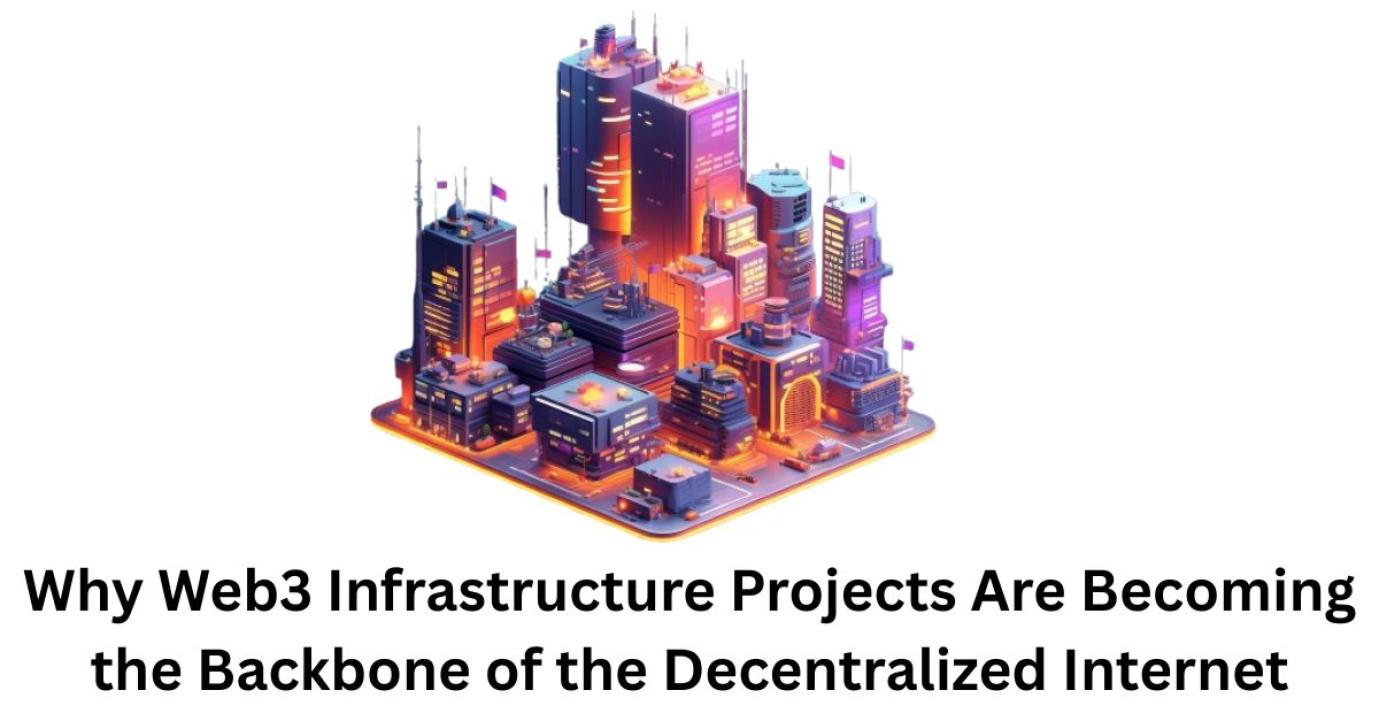
The decentralized internet cannot exist without the technologies that support it. Just as roads, bridges, and communication systems are essential for modern cities, infrastructure projects are essential for Web3 ecosystems.
These projects provide the scalability, security, interoperability, and accessibility required to move blockchain technology beyond early adoption and into mainstream use.
From decentralized finance and digital identity to gaming and enterprise applications, every major Web3 innovation depends on strong infrastructure.
Conclusion
Web3 infrastructure projects are rapidly emerging as the backbone of the decentralized internet because they provide the essential building blocks needed for blockchain ecosystems to thrive. They solve critical challenges related to scalability, data management, interoperability, and security while enabling developers and businesses to create next-generation decentralized applications.
As the global shift toward decentralization continues, investment in Web3 infrastructure is expected to accelerate. The success of the future internet will depend not only on innovative applications but also on the strength of the infrastructure that powers them. In many ways, Web3 infrastructure projects are laying the digital foundations for a more open, transparent, and user-controlled internet.