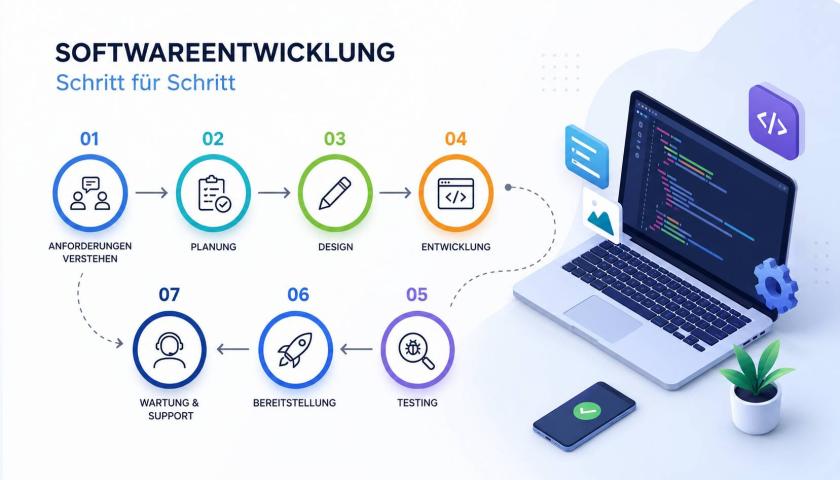
Mobile apps have become an important part of modern business. From online shopping and food delivery to banking and healthcare, customers now expect fast and easy digital experiences. Because of this, many businesses in Singapore are investing in mobile apps to improve customer service and stay ahead of the competition.
However, not every app project goes as planned. Many companies spend a large amount of time and money but still fail to achieve the expected results. Delays, budget overruns, poor user experience, and technical issues are some of the most common challenges.
Understanding why these problems happen is the first step toward building a successful app.
Lack of Clear Project Goals
One of the biggest reasons app projects struggle is that the business does not have a clear vision. Some companies know they need an app but are unsure about its purpose, target audience, or key features.
Without clear goals, development teams may build features that users do not actually need. This often leads to wasted time, extra costs, and frequent changes during the project.
Before starting development, businesses should define their objectives and understand how the app will solve a real customer problem.
Ignoring User Experience
A mobile app should be simple, fast, and easy to use. Even if an app has many features, users are unlikely to continue using it if the design is confusing or the performance is slow.
Good user experience is about making every step easy, from signing up to completing a purchase or booking a service. Businesses that focus on customer needs are more likely to build apps that people enjoy using.
Poor Communication During Development
Communication is another common challenge. When business owners and developers are not on the same page, misunderstandings can happen. This often results in delays, incorrect features, or additional costs.
Regular meetings, progress updates, and feedback sessions help everyone stay aligned throughout the project.
Choosing Price Over Quality
Many businesses try to reduce costs by selecting the cheapest development option. While saving money is important, low-cost services may not always deliver high-quality results.
An experienced mobile app development company Singapore understands the importance of planning, testing, security, and long-term support. Investing in quality from the beginning often reduces future maintenance costs and improves customer satisfaction.
Forgetting About Future Growth
A successful app should be able to grow with the business. As customer numbers increase, the app should continue to perform smoothly.
Planning for future updates, new features, and higher user traffic helps businesses avoid expensive rebuilding later.
Limited Testing Before Launch
Launching an app without proper testing can create a poor first impression. Bugs, crashes, and slow loading times can quickly drive users away.
Testing should cover different devices, operating systems, and real-life user situations. Fixing problems before launch is much easier than dealing with negative reviews afterward.
The Importance of Long-Term Support
Building an app is only the beginning. Regular updates, security improvements, and performance monitoring are essential for keeping users happy.
Technology changes quickly, and customer expectations continue to grow. Businesses that maintain and improve their apps are more likely to achieve long-term success.
Choosing the Right Development Partner
A reliable development partner does more than write code. They help businesses understand customer needs, recommend the right technology, and provide ongoing support after launch.
Many organizations also look for a trusted software development company Singapore that can handle mobile applications along with other digital solutions, making future business expansion easier.
Final Thoughts
Many app projects struggle because of unclear planning, poor communication, limited testing, or choosing the wrong development partner. Fortunately, these challenges can be avoided with proper preparation and a focus on quality.
A successful mobile app is not just about technology—it is about creating a valuable experience that helps customers and supports business growth. Companies that invest in careful planning, user-focused design, and ongoing improvements are more likely to see lasting results from their digital investment.