Online reviews provide valuable insights into customer satisfaction, product quality, service performance, and brand reputation. However, businesses often face an important decision when collecting this information: should they choose review scraping services or review data APIs? The right option depends on data requirements, technical resources, source coverage, delivery speed, and scalability.
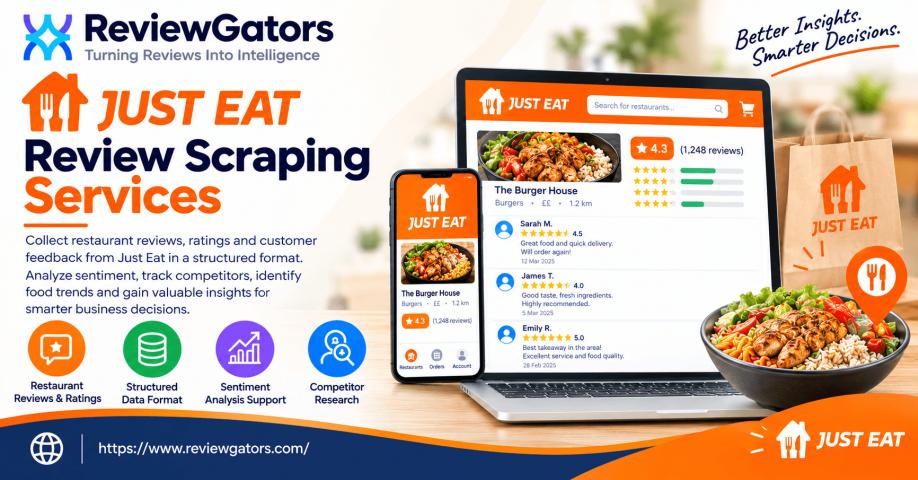
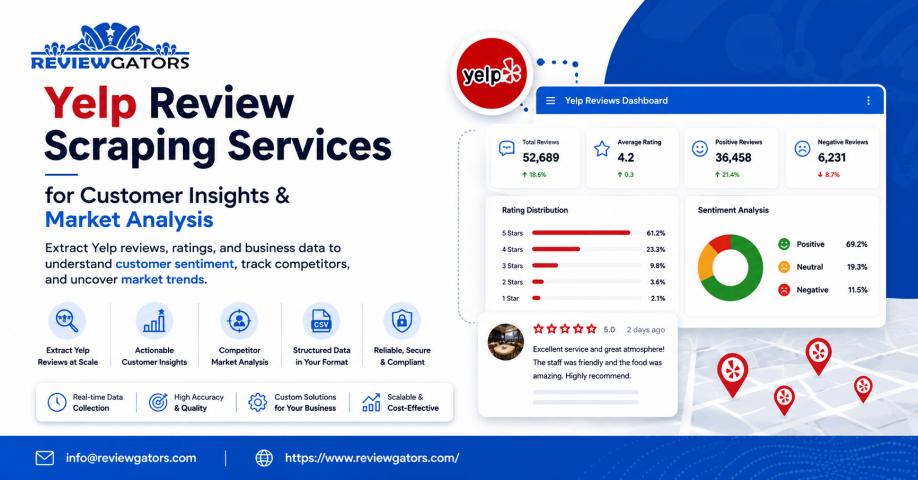
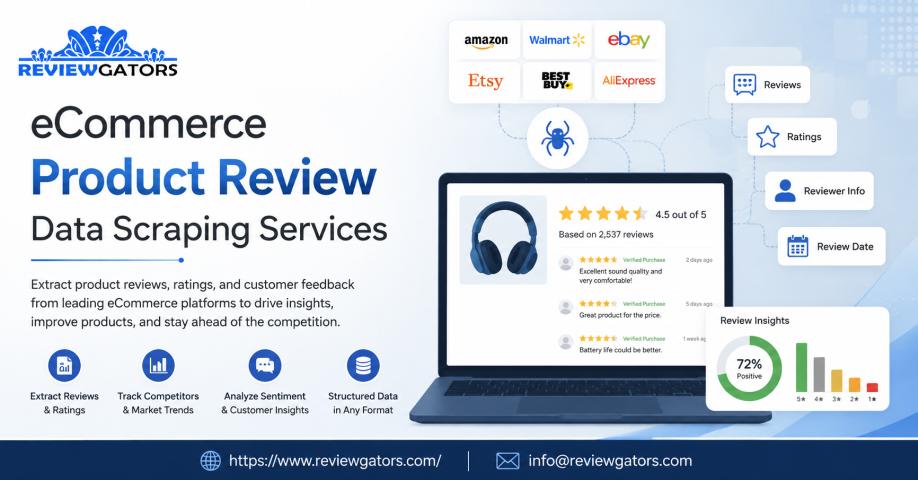
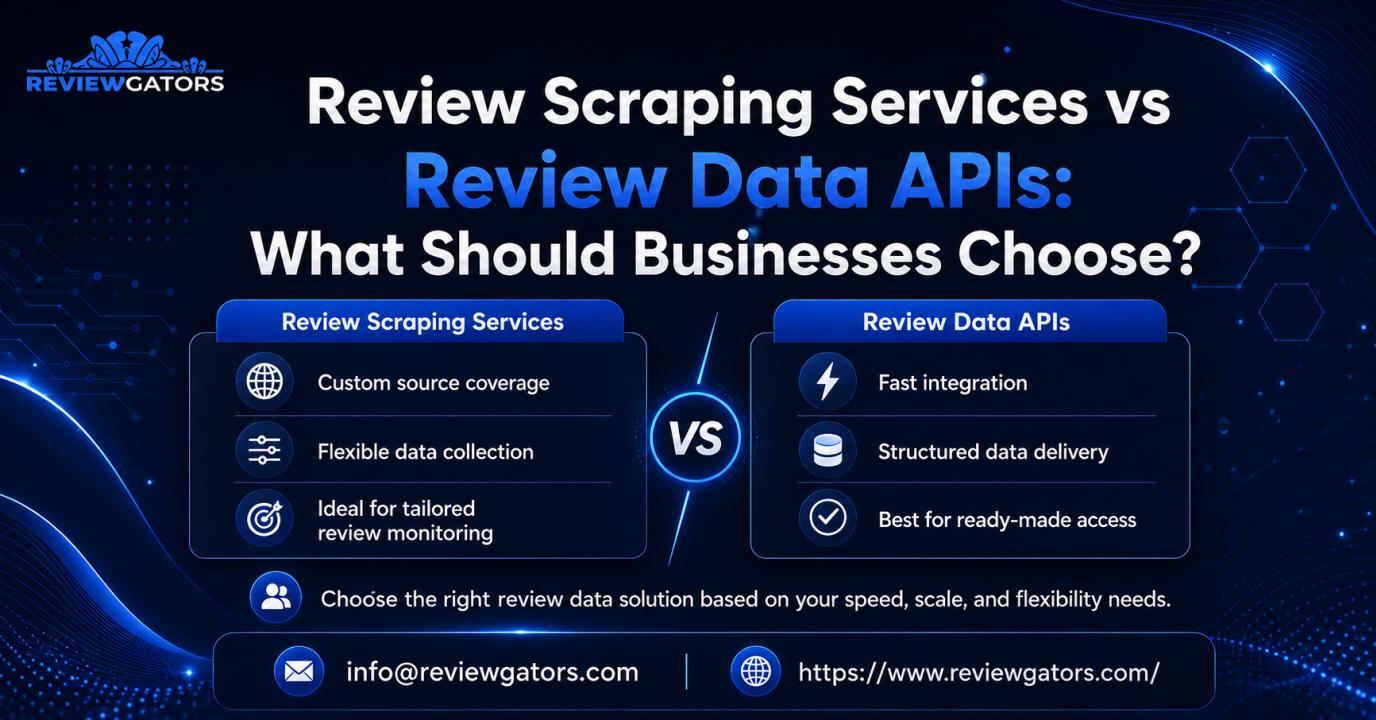
Review scraping services are ideal for businesses that need customized data collection from specific websites, marketplaces, directories, or review platforms. A tailored scraping solution can capture fields such as review text, ratings, reviewer names, dates, verified purchase status, helpful votes, seller responses, product details, business locations, and other available information.
The main advantage of review scraping services is flexibility. Businesses can define their preferred websites, data fields, geographic markets, languages, output formats, and update schedules. This approach is useful when the required review sources are not supported by standard APIs or when a company needs historical data, custom filtering, or large-scale collection across multiple platforms.
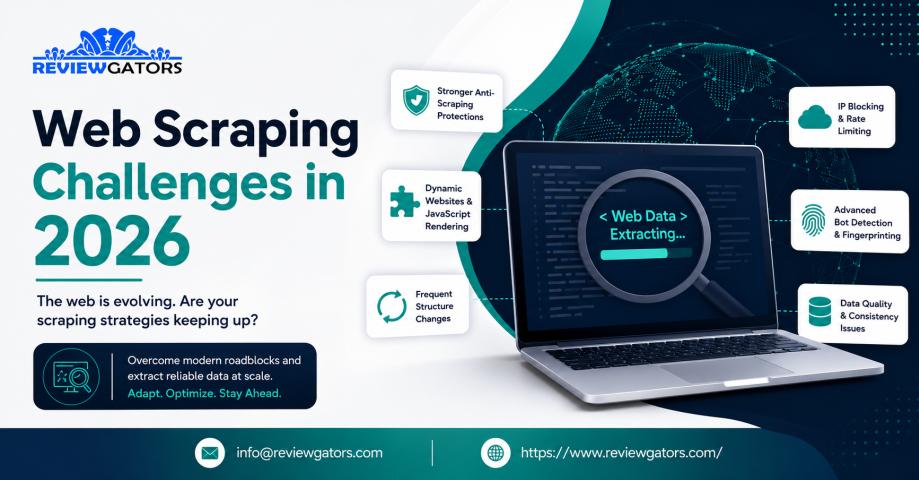
However, custom scraping projects may require more setup time because each website has a different structure. Frequent layout changes may also require ongoing monitoring and maintenance to ensure consistent data quality.
Review data APIs, on the other hand, provide structured review information through ready-to-use endpoints. Businesses can connect the API to their dashboards, analytics systems, applications, or databases and receive review data in formats such as JSON.
Review APIs are generally suitable for companies that need quick integration, automated data delivery, and regular updates. They reduce the effort required to build and maintain a complete data collection system internally. Development teams can send requests based on products, businesses, locations, or platform identifiers and receive standardized results.
The limitation is that APIs may only support specific platforms, predefined fields, request limits, or available data ranges. Businesses with highly customized requirements may find a standard API less flexible than a dedicated scraping service.
So, which option should businesses choose? Review scraping services are a better fit for customized source coverage, complex requirements, historical datasets, and tailored workflows. Review data APIs are more suitable for fast integration, standardized delivery, and continuous access to supported review sources.
Some businesses may benefit from combining both approaches. APIs can manage regular data requirements, while custom scraping services can collect information from unsupported or specialized sources.
Before deciding, evaluate the required platforms, data volume, fields, refresh frequency, integration needs, budget, and long-term goals. The best solution is the one that delivers accurate, structured, and reliable review data for sentiment analysis, competitor monitoring, customer experience improvement, and informed business decisions.