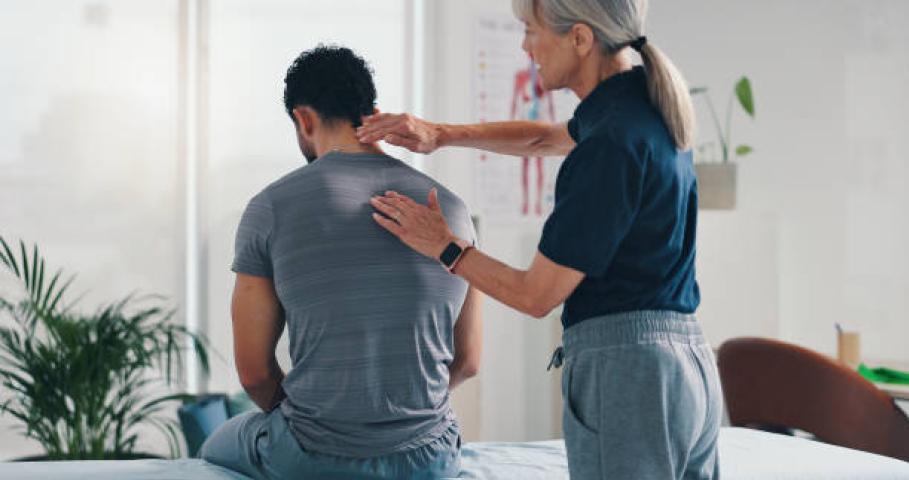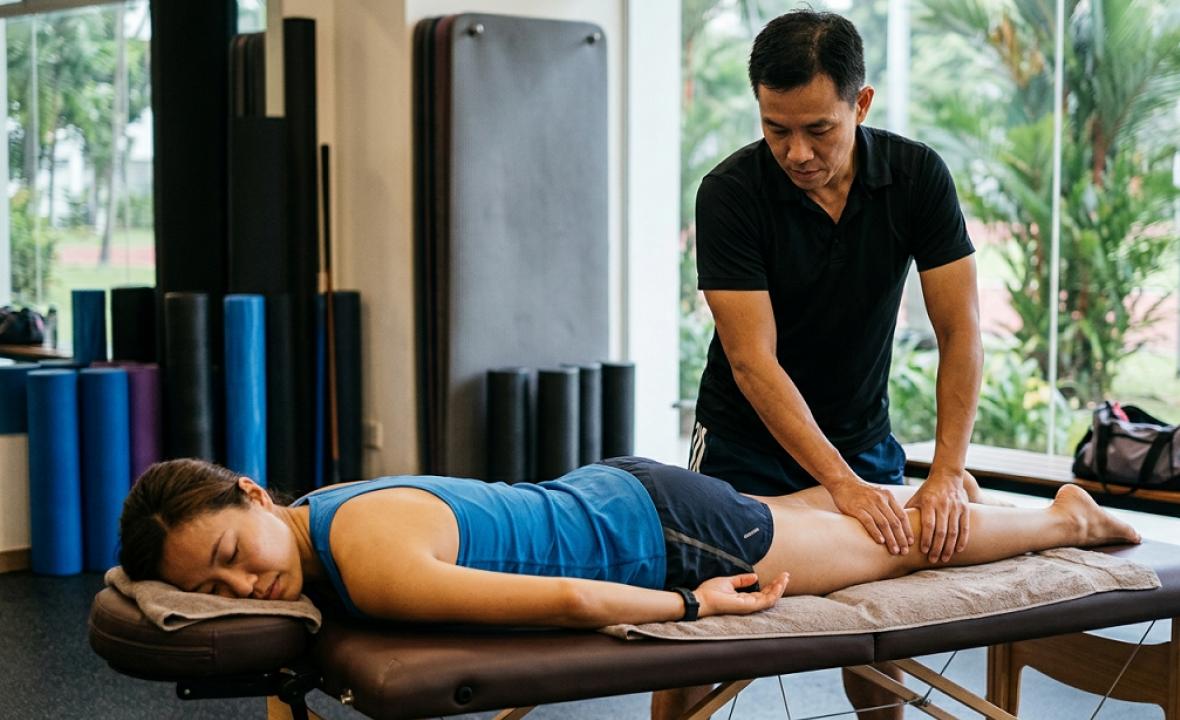
Sports massage is not just a recovery tool — it is a proactive, evidence-backed component of long-term injury prevention. By improving circulation, reducing muscle tension, enhancing joint mobility, and identifying early signs of overuse strain, regular sports massage helps athletes and active adults maintain physical resilience over time. It works best when integrated consistently into a broader training and recovery plan.
Why Injury Prevention Needs More Than Rest
Most people treat their body like a machine — push hard, break down, rest, repeat. But reactive care only gets you so far. Injuries rarely happen without warning. Tight hip flexors, restricted thoracic mobility, and chronic calf tension all build up quietly before they become problems that sideline you for weeks.
Long-term physical health requires a system — not just occasional treatment when pain spikes. That system should include structured training, adequate nutrition, quality sleep, and hands-on soft tissue care. Sports massage plays a specific, non-negotiable role within that system.
What Sports Massage Actually Does to the Body
It is easy to reduce massage to "relaxation." But the physiological effects go much deeper — especially with deep tissue sports massage techniques applied consistently over time.
Muscle and Connective Tissue Benefits
Breaks down adhesions: Repeated training creates micro-tears that heal into scar tissue. Massage works through these adhesions before they restrict movement.
Improves fascial flexibility: The connective tissue surrounding muscles can tighten and restrict range of motion. Regular massage maintains healthy fascial glide.
Reduces DOMS (delayed onset muscle soreness): Studies show that massage within 48 hours of intense exercise significantly reduces perceived soreness and swelling.
Enhances circulation: Improved blood flow supports nutrient delivery and waste removal in muscle tissue, accelerating recovery between training sessions.
Neurological and Systemic Effects
Lowers cortisol levels: Chronic physical stress elevates cortisol, which impairs recovery and immune function. Massage helps regulate this hormonal response.
Activates the parasympathetic nervous system: This "rest and digest" state allows the body to recover more efficiently — critical for athletes training at high frequency.
Improves proprioception: Better body awareness from regular soft tissue work translates to more controlled movement and reduced injury risk during dynamic activity.
The Preventive Role of Sports Massage Over Time
A single session can feel great. But the real value of sports massage reveals itself over months of consistent application. Think of it like dental hygiene — skipping the occasional appointment is fine, but neglecting it entirely leads to compounding problems.
Here is how regular sessions contribute to long-term injury prevention across different training phases:
Training Phase | Role of Sports Massage | Frequency Recommendation
|
|---|---|---|
Base / Off-Season | Address existing tension, improve mobility baseline | Every 3–4 weeks |
Build Phase | Manage accumulated fatigue, monitor tissue health | Every 2 weeks |
Peak / Competition | Maintain performance readiness, reduce tightness | Weekly or bi-weekly |
Recovery / Post-Event | Flush metabolic waste, support tissue repair | Within 48–72 hours post-event |
Sports Massage and Sports Rehabilitation: Understanding the Overlap
Sports massage and sports rehabilitation are closely linked but serve different functions. Rehabilitation focuses on restoring function after injury — retraining movement patterns, rebuilding strength, and addressing compensatory issues. Massage supports that process by keeping surrounding tissue healthy, reducing pain-inhibited movement, and maintaining mobility during reduced training loads.
For athletes recovering from injuries such as hamstring strains, IT band syndrome, or shoulder impingement, massage is often incorporated alongside structured rehabilitation to prevent re-injury and support tissue remodelling. This is especially relevant in Singapore, where humidity, year-round training, and high participation in endurance sports like running and cycling create specific overuse injury patterns.
How Sports Massage Complements Physiotherapy in Singapore
Physiotherapy in Singapore typically addresses movement dysfunction, joint stability, and neuromuscular control. Sports massage addresses the soft tissue environment in which that movement happens. Together, they form a more complete picture of physical care.
A common model looks like this:
Physiotherapy assesses and corrects the root cause of dysfunction
Sports massage reduces the muscular tension that feeds that dysfunction
Exercise programming rebuilds strength and control
Ongoing massage sessions maintain tissue quality as load increases
This layered approach is far more effective than treating each element in isolation — and it significantly reduces the likelihood of recurring injuries over a training career.
Signs You Need to Prioritise Sports Massage Now
Not sure if this belongs in your current routine? These are telling signs that soft tissue work is overdue:
Persistent tightness that does not resolve after a warm-up
Reduced range of motion in the hips, shoulders, or ankles
Recurring niggles in the same muscle groups
Slower recovery between training sessions than six months ago
Compensatory patterns — favouring one side during running, lifting, or cycling
Any one of these signals unaddressed soft tissue stress. Left unchecked, they typically progress into full injuries.
Building Sports Massage Into Your Long-Term Routine
The barrier for most athletes is not understanding — it is consistency. Here is a practical framework for making massage a non-negotiable part of your physical care plan:
Start with a soft tissue assessment. A qualified therapist should evaluate your movement patterns and tissue tension before designing a treatment plan.
Set a session cadence based on training load. Use the frequency table above as a starting guide, then adjust based on how your body responds.
Combine with self-care between sessions. Foam rolling, targeted stretching, and hydration maintain the work done in each session.
Track your body's response. Note mobility improvements, soreness patterns, and training performance. This data helps your therapist refine the approach.
Scale up around competition periods. Pre-event and post-event sessions are investments in your recovery timeline, not luxuries.
At Heartland Rehab, the sports massage approach is grounded in clinical understanding of movement and soft tissue health — supporting athletes in Singapore who want to stay active, perform consistently, and avoid the cycle of breakdown and recovery. Whether you are training for your next race or managing the demands of an active life>
Frequently Asked Questions
How often should I get a sports massage for injury prevention?
For athletes in active training, every two to three weeks is a practical baseline for injury prevention. During peak training or competition phases, weekly sessions provide better support. The right frequency depends on your training load, recovery capacity, and any existing areas of tightness or concern.
Is sports massage different from a regular deep tissue massage?
Yes. Deep tissue sports massage in Singapore is specifically tailored to athletic tissue demands — targeting overworked muscle groups, addressing sport-specific movement patterns, and supporting training recovery. A standard deep tissue massage focuses more broadly on general muscle tension without the athletic performance context.
Can sports massage help if I alreaady have a recurring injury?
Absolutely. Sports massage is often used alongside sports rehabilitation to manage recurring injuries. It reduces compensatory tension in surrounding muscles and helps maintain tissue health during the recovery process. For best results, it should be part of a structured plan involving both massage and targeted rehabilitation exercise.
Do I need a referral for sports massage in Singapore?
No referral is needed to book a sports massage in Singapore. However, if you are dealing with a specific injury or post-surgical recovery, consulting a physiotherapist first helps ensure the massage is applied appropriately and safely within your broader treatment plan.
How long before I see results from regular sports massage?
Most athletes notice improved range of motion and reduced muscle tightness within two to four sessions. Longer-term benefits — such as fewer recurring injuries and better recovery between training blocks — typically become evident after six to eight weeks of consistent, scheduled treatment.