You filed the rebate. You mailed the form, saved the receipt, and waited. Then life happened, and three months later, you realized you never got the check. Sound familiar? Most people lose out on rebates not because they didn't qualify, but because the process is designed to make you forget. Between expiration windows, submission portals, and delayed timelines, rebates are one of the most misunderstood money-saving tools out there. This guide breaks down exactly how they work, how to claim them correctly, and how to build a simple tracking habit so you actually see that money come back.
What Is a Rebate, and Why Do Companies Offer Them?
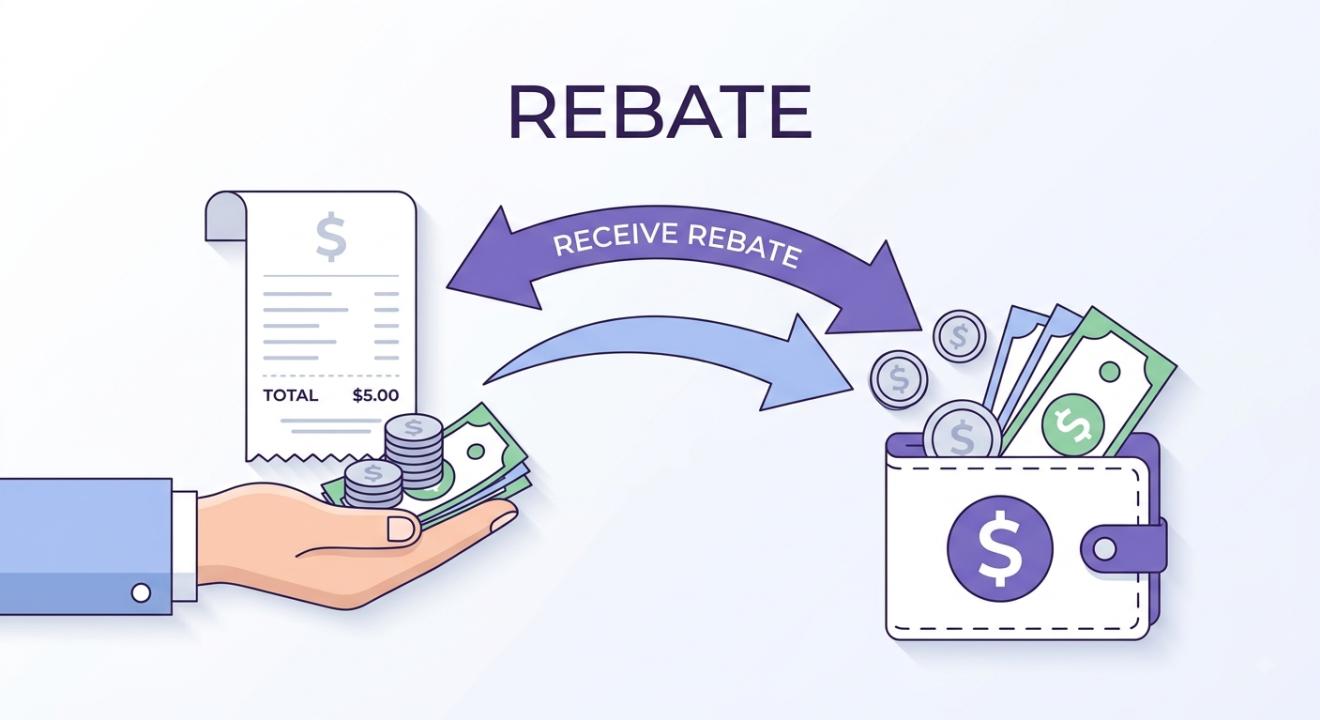
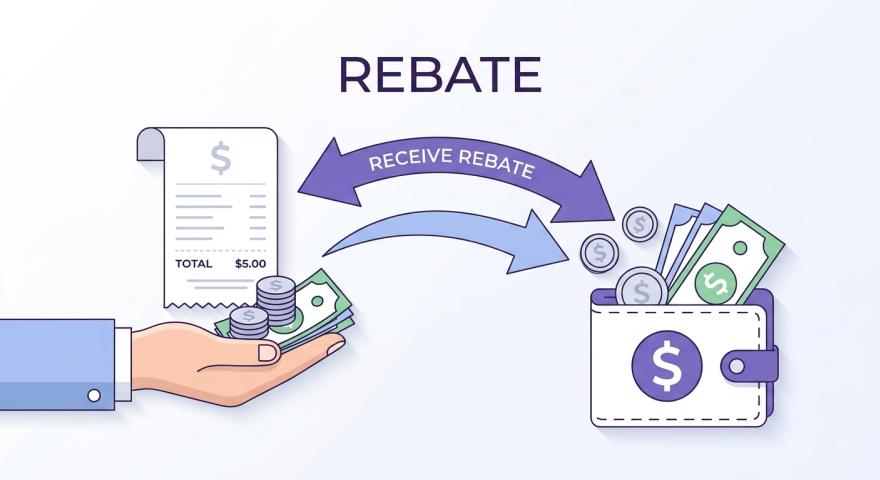
A rebate program is a partial refund given after you've already paid full price. Unlike a coupon or an instant discount, you pay the retail price first and get a refund later, usually by check, prepaid card, or direct deposit.
Companies love rebates for a specific reason: they rely on a percentage of customers not completing redemption. That gap between rebates issued and rebates redeemed is called breakage, and it's profitable. Some estimates in the retail industry put rebate redemption rates at 40–60%, meaning nearly half of eligible customers walk away empty-handed.
Understanding this is the first step toward not being one of them.
Types of Rebates You'll Actually Encounter
Not all rebates work the same way. Knowing which type you're dealing with shapes how you approach the claim.
Mail-in rebates are the most traditional form. You submit physical proof of purchase, a UPC barcode, store receipt, and a completed form by a specific postmark deadline. These have the longest processing times, often 6–10 weeks.
Online rebates ask you to submit documentation through a portal. Faster to submit, but they still require the same documentation discipline as mail-ins.
Instant rebates deduct the discount at checkout. No claim needed, but they're not really rebates in the traditional sense.
Manufacturer rebates come directly from the brand. Retailer rebates come from the store. The distinction matters when there's a dispute; you'll know exactly who to contact.
Utility and energy rebates are offered by power companies and government programs for energy-efficient upgrades. These often carry higher dollar values, sometimes hundreds, and are chronically underutilized.
How to Claim a Rebate Without Getting Rejected
Rejection rates for rebate submissions are higher than most people expect. Common reasons include missing documentation, incorrect information, and missed deadlines. Here's how to do it right the first time.
Read the Terms Before You Buy
Don't assume every purchase qualifies. Rebate offers often restrict eligibility by model number, purchase date range, participating retailer, or even the specific color or configuration of a product. Read the fine print while you're still in the store or before you add it to your cart online.
Gather Everything Before You Start the Form
You'll typically need:
Original store receipt (not a digital copy, in some cases)
UPC barcode cut from the packaging
Completed rebate form (often found on the manufacturer's site)
Your mailing address or email for confirmation
Rushing this step is where most mistakes happen. Don't discard packaging until you've confirmed what's required.
Submit Early, Not at the Deadline
Submitting close to the deadline leaves no room for rejection and resubmission. If your claim is rejected for a fixable reason, like a missing document or an unclear barcode, you might not have time to correct it.
Keep a Copy of Everything
Photograph your completed form, receipt, and barcode before sending. If you submit online, take a screenshot of the confirmation page showing the submission timestamp. This is your proof if the claim goes missing or is disputed.
How to Track Rebates So Nothing Slips Through
This is where most people fall apart. You submitted the claim, but you're not sure when to expect it, and without a system in place, it's easy to forget entirely.
Create a Simple Rebate Log
A basic spreadsheet with these columns is all you need:
| Product | Retailer | Rebate Amount | Submission Date | Deadline | Expected By | Status |
| Router XR900 | Best Buy | $40 | Jan 5 | Jan 31 | Mar 15 | Mar 15 |
Set a Calendar Reminder
Add a reminder to check the rebate status 6–8 weeks after submission. Most manufacturers provide a tracking portal or a phone number to verify receipt of your claim.
Check Your Rebate Status Online
Many retailers and manufacturers now offer rebate tracking by confirmation number, name, or email. Use it. If you submitted a mail-in, allow at least 2–3 weeks before checking the processing pipeline; it takes time.
What to Do If Your Rebate Is Rejected or Delayed
Getting a rejection notice feels frustrating, but it's not always the end of the road.
If the rejection is due to a correctable issue, such as a missing form or an unclear barcode, contact the rebate processing center immediately. Explain the situation and ask if you can resubmit. Many processors will work with you if you contact them before the offer expiration date.
If you believe the rejection is unjustified, escalate the issue to the retailer's or manufacturer's customer service team. Have your documentation ready. In cases where the rebate amount is substantial, filing a complaint with the Better Business Bureau or your state attorney general's consumer protection office can apply enough pressure to resolve the issue.
If your rebate is simply late, allow a buffer of 2–4 weeks past the stated processing timeline before treating it as a problem. Then contact the fulfillment center directly.
Where People Leave the Most Rebate Money on the Table
Beyond individual product rebates, there are entire categories most people overlook entirely.
Energy efficiency rebates from utility companies cover everything from smart thermostats to heat pumps to insulation. Your utility provider's website usually lists current offers, and in some areas, federal programs add a second layer of savings on top of that.
Health and wellness rebates from insurance providers cover gym memberships, wearable fitness trackers, and sometimes even over-the-counter health products. Many plan members never check what their insurer offers.
Business and workplace programs, including employee rewards programs, sometimes include rebate->
Auto and home improvement rebates from manufacturers on appliances, HVAC systems, and vehicles carry some of the highest values available but also the most documentation requirements. A systematic approach here pays off disproportionately.
A Realistic System for Staying on Top of Rebates
You don't need a complicated workflow. What you need is consistency.
When you buy something with a rebate offer, do these five things in order:
Photograph the receipt and packaging before you open or discard anything.
Locate the rebate form either in the box or on the manufacturer's website.
Submit within 48 hours of purchase, not when you get around to it.
Log the submission in your rebate tracker with the expected payment date.
Set a follow-up reminder to check the status at the halfway point of the processing window.
That's it. Done consistently, this approach adds up. Someone who buys a few electronics or an appliance or two over the course of a year and actually redeems the rebates can realistically recover $150 to $400 they otherwise would have lost.
Conclusion
Rebates aren't complicated; they're just easy to procrastinate on, and companies are counting on exactly that. The difference between people who cash in and people who don't comes down to a few minutes of documentation and a simple tracking habit. Know the terms before you buy, submit early, keep proof of everything, and follow up. The money is already yours. The only variable is whether you claim it.
Frequently Asked Questions
How long does a rebate take to process?
Most rebates take 6 to 10 weeks from the date of submission. Online rebates are sometimes faster, processing in 4 to 6 weeks. Mail-in rebates are at the longer end because they require physical delivery, manual processing, and mailing a check or prepaid card back to you.
What happens if I miss the rebate deadline?
In most cases, the offer expires, and you're no longer eligible to submit. A small number of manufacturers will accept late submissions on a case-by-case basis if you contact them directly and explain the situation, but this isn't guaranteed. Submitting early is the only reliable way to avoid this.
Can a rebate be rejected after I submit it?
Yes. Common rejection reasons include a missing or unclear UPC barcode, an incorrect or incomplete form, a receipt that doesn't meet the requirements (the wrong retailer or date range), or submission outside the offer window. If your claim is rejected, contact the processing center immediately. If the offer is still active, you may be able to correct it and resubmit it.
Is a rebate the same as a refund?
No. A refund is a return of money due to a return or error. A rebate is a pre-agreed partial return of purchase price, conditional on you completing a claim after buying at full price. A refund comes from the store; a rebate typically comes from the manufacturer or a rebate fulfillment company contracted by the manufacturer.
How do I check the status of my rebate?
Most manufacturers and large retailers provide an online rebate-tracking portal where you can check the status using a confirmation number, email address, or name. If no portal exists, there's usually a toll-free phone number on the rebate form. Allow at least 3 to 4 weeks after submission before checking, as claims take time to enter the processing system.