Introduction
Packaging is an important part of the retail experience. A well-designed bag does more than carry purchased products; it can help keep merchandise organized, protected, and easy to identify. Clear shopping bags are particularly useful for businesses that want product visibility without completely covering the items inside. Their transparent construction works well for boutiques, gift shops, convenience stores, promotional events, and many other retail environments. When purchasing packaging in larger quantities, however, appearance is only one consideration. Retailers should also evaluate bag size, material strength, handle construction, storage requirements, and the type of products they plan to carry. Choosing the right packaging can improve daily operations while creating a clean and practical customer experience.
Why Retailers Choose Transparent Shopping Bags
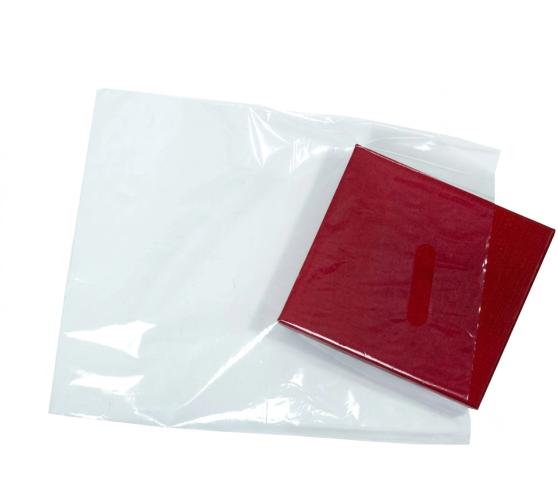
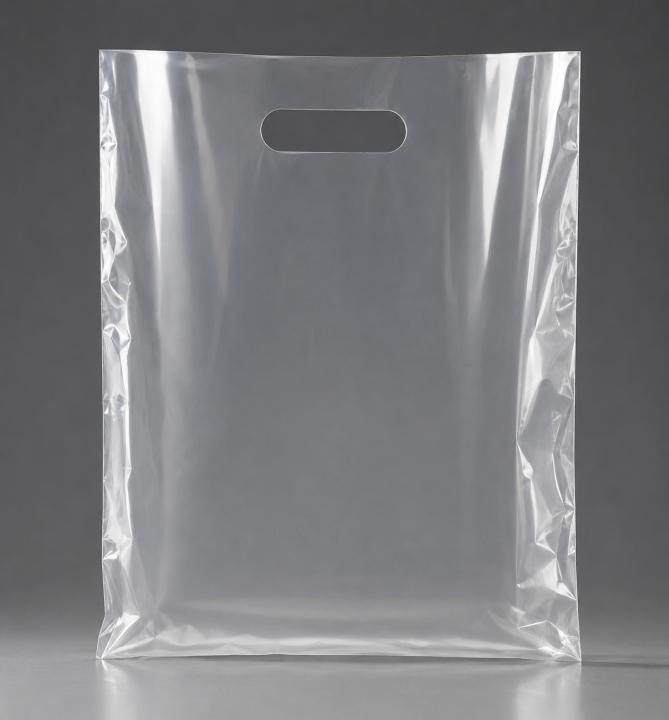
One of the main advantages of transparent retail bags is product visibility. Customers can see what they have purchased without opening the packaging, which can be especially useful when several products are being carried together.
For retailers, this visibility can also create a simple and organized presentation. Items such as clothing accessories, gifts, stationery, small toys, cosmetics, and promotional merchandise can remain partially visible while being transported.
Other practical benefits include:
- Easy identification of packaged products
- Lightweight handling
- Convenient product display
- Suitable for different retail environments
- Simple storage when purchased in bulk
- Professional and uncluttered appearance
Transparent packaging is particularly useful when the product itself contributes to the visual appeal of the purchase.
Selecting the Right Size and Material
Choosing the correct dimensions is essential when ordering retail bags in bulk. A bag should be large enough to accommodate the product comfortably but not so oversized that the contents move around excessively.
Retailers should measure the length, width, and height of the products they commonly sell. If tissue paper, boxes, or additional protective packaging will be used, that extra space should also be considered.
Material thickness is another important factor. Lightweight merchandise may not require the same level of strength as heavier products. Businesses should consider:
- Product weight
- Shape and edges
- Frequency of handling
- Expected carrying distance
- Storage and transportation conditions
A suitable balance between size and material strength can help reduce damaged packaging and improve customer convenience.
Common Uses in Retail Businesses
Wholesale packaging can be useful across a wide range of businesses. Fashion retailers may use transparent bags for lightweight clothing and accessories, while gift stores can use them for packaged presents and decorative products.
They can also be suitable for:
- Boutique merchandise
- Small household products
- Event giveaways
- Promotional items
- Accessories and stationery
- Party favors
- Gift-shop products
- Packaged retail goods
The right application depends on the product and the bag's specifications. Products with sharp corners, substantial weight, or delicate surfaces may require additional inner protection.
Benefits of Buying in Wholesale Quantities
Purchasing packaging in bulk can simplify inventory planning for businesses with regular packaging needs. Instead of repeatedly ordering small quantities, retailers can maintain a consistent supply and reduce the possibility of running out during busy periods.
Bulk purchasing can also make it easier to standardize the packaging used across a store. Consistent bag sizes and materials can support smoother packing processes and help employees select the appropriate option quickly.
However, businesses should avoid ordering large quantities solely because the unit price appears attractive. Storage space, product turnover, and actual packaging consumption should all be considered before placing a wholesale order.
Expert Buying Tips
Match Bags to Your Products
Start by identifying the products that will be placed inside the bags. Consider their dimensions, weight, shape, and whether they require protective wrapping.
Inspect Handle Construction
Handles should be appropriate for the intended load. A comfortable and secure handle can make a noticeable difference when customers are carrying purchases.
Consider Storage Requirements
Wholesale orders require adequate storage space. Keep packaging in a clean, dry area away from excessive heat, moisture, and sharp objects that could affect the material.
Evaluate Long-Term Usage
Review how many bags your business typically uses each week or month. This can help determine a practical order quantity without creating unnecessary excess inventory.
Prioritize Consistent Quality
When packaging is used regularly, consistency matters. Check dimensions, material quality, seams, and handles before committing to a large recurring purchase. Infinitepack recommends evaluating packaging according to actual product requirements rather than choosing solely on appearance or price.
Frequently Asked Questions
What are clear shopping bags commonly used for?
They are commonly used by retail stores, boutiques, gift shops, event organizers, and businesses selling lightweight merchandise that benefits from visible packaging.
How do I choose the correct bag size?
Measure the product's length, width, and height, then allow sufficient room for comfortable placement and any additional wrapping or boxes.
Are transparent bags suitable for wholesale purchasing?
Yes. They can be practical for businesses with regular packaging requirements because bulk purchasing helps maintain a consistent supply.
What should retailers consider when buying these bags?
Retailers should consider size, material thickness, product weight, handle strength, storage conditions, expected usage, and overall packaging quality.
Can transparent bags improve product presentation?
Yes. Their see-through construction allows customers to view the contents, creating a straightforward and organized presentation while keeping products contained.
Conclusion
Choosing retail packaging requires more than finding an attractive bag. Businesses should consider product dimensions, material strength, handle design, storage needs, and purchasing frequency to find an option that works efficiently in everyday operations. Wholesale quantities can be useful for retailers with consistent packaging requirements, provided the order size matches actual demand. For businesses reviewing packaging options, Infinitepack can be considered when comparing practical solutions for different retail applications. A thoughtful packaging choice can support smoother store operations while giving customers a convenient way to carry their purchases.