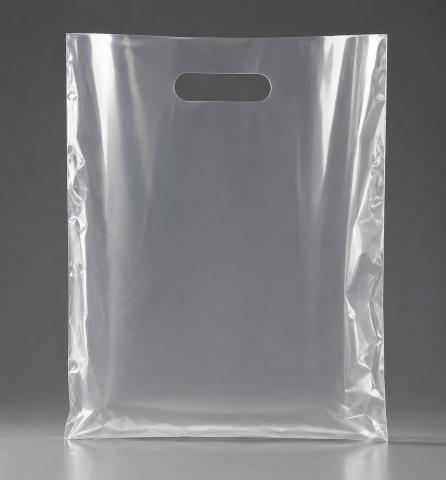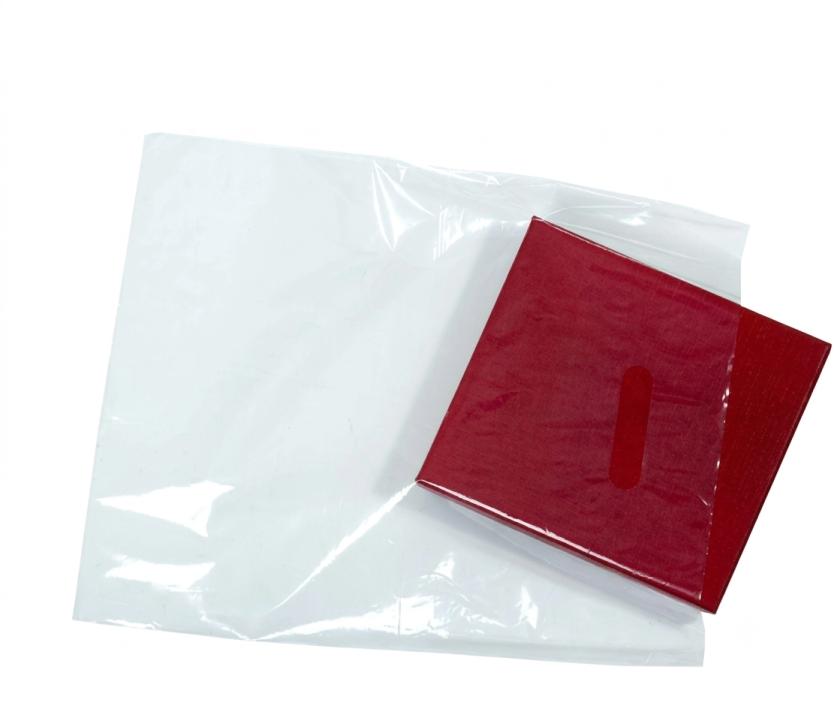
Efficient packaging helps businesses protect products, simplify handling, and maintain an organized inventory. For retailers, warehouses, distributors, and other commercial operations, choosing the right bag size can make everyday packing tasks faster and more consistent. Plastic bags 9 x 12 can be a practical option for packaging compact merchandise, lightweight products, stationery, accessories, apparel, and various inventory items. Buying packaging in wholesale quantities can also help businesses maintain a reliable supply while supporting consistent packing processes. However, quantity alone should not determine the purchase. Material quality, dimensions, product weight, intended application, and handling conditions should all be considered. Understanding these factors helps businesses select packaging that delivers practical protection without unnecessary material or expense.
Why Choose Wholesale Packaging Bags?
Purchasing packaging in larger quantities can be useful for businesses with regular packaging requirements. Instead of repeatedly ordering small quantities, wholesale purchasing allows companies to maintain packaging supplies for ongoing operations.
A consistent supply can be particularly valuable for businesses that package products every day. Employees can work with the same bag format, reducing confusion and helping create a uniform appearance across orders.
Wholesale purchasing may also provide practical advantages such as:
- Fewer frequent packaging orders
- Consistent bag sizes for routine operations
- Easier inventory planning
- Convenient access to commonly used packaging
- Potentially better value for regular usage
- Simplified packing workflows
Businesses should still estimate their actual consumption before purchasing large quantities. Buying more than needed can take up valuable storage space and tie up resources unnecessarily.
Selecting the Right Bag Size
Bag dimensions are among the most important factors when choosing plastic packaging. A 9 x 12-inch format can accommodate many compact products, but suitability depends on the product's actual dimensions and shape.
Before ordering, measure the item carefully. Length and width are important, but thickness should also be considered. Products that are bulky, folded, or irregularly shaped may require additional room.
This size can be useful for products such as:
- Small apparel and textiles
- Stationery and paper goods
- Accessories
- Craft supplies
- Lightweight retail merchandise
- Compact inventory items
A properly sized bag should allow the product to fit comfortably without excessive stretching. Choosing an oversized bag, meanwhile, can result in unnecessary material and a less organized finished package.
Material Quality and Product Protection
Not all plastic bags are designed for the same applications. Material strength should correspond to the product being packaged and the conditions in which the bag will be handled.
Lightweight products may not require heavy material, while products with greater weight or rigid edges may need stronger packaging. Sharp corners should receive particular attention because they can place stress on plastic during handling.
When evaluating packaging, consider:
Product Weight
The heavier the product, the more important appropriate material strength becomes. Avoid selecting packaging based solely on dimensions.
Product Shape
Smooth, flexible products are generally easier to package than items with corners, edges, or irregular shapes.
Handling Conditions
Consider whether packages will be moved between shelves, warehouses, retail displays, or fulfillment areas. Frequent handling can increase the importance of durable packaging.
Storage Environment
Packaging can help keep products separated and protected from everyday dust and handling. However, specialized environmental protection may require additional packaging solutions.
Expert Buying Tips
Businesses can make better purchasing decisions by evaluating packaging based on actual operational requirements.
Measure before ordering: Confirm product dimensions and allow enough room for comfortable insertion.
Review material specifications: Choose a suitable level of strength for the products being packaged instead of automatically selecting the thickest option.
Estimate usage: Review average weekly or monthly consumption to determine a practical wholesale quantity.
Consider storage capacity: Make sure the business has adequate space to store bulk packaging without disrupting normal operations.
Prioritize consistency: For businesses handling large volumes, consistent dimensions and material quality can help employees pack products more efficiently.
Think about the application: Packaging used for retail display may have different requirements from bags used primarily for internal storage or order preparation.
These simple checks can prevent common purchasing mistakes and help businesses get more practical value from their packaging investment.
Frequently Asked Questions
What are 9 x 12 plastic bags commonly used for?
They are commonly used for compact merchandise, apparel, stationery, accessories, craft supplies, printed materials, and general inventory organization.
Is wholesale packaging suitable for small businesses?
Yes. Small businesses with consistent packaging needs can purchase appropriate quantities in advance, provided they have enough storage space and predictable usage.
How do I choose the correct bag size?
Measure the product's length, width, and thickness. Select a bag that provides enough room for easy placement without excessive unused space.
Does bag thickness matter?
Yes. Material thickness and strength should match the product's weight, shape, and handling requirements. Heavier or rigid products may require stronger packaging.
How should businesses estimate wholesale quantities?
Review historical packaging usage and estimate future requirements. Purchasing should balance regular consumption with available storage capacity.
Conclusion
Choosing packaging for business use involves more than finding the lowest price or largest quantity. The right solution should match the product's dimensions, weight, shape, handling conditions, and expected usage. Wholesale purchasing can support consistent operations when businesses have predictable packaging needs and sufficient storage capacity.
For businesses comparing packaging options, Infinitepack can be considered when evaluating practical packaging requirements. Reviewing product specifications carefully and selecting quantities based on real usage can help create a more efficient and organized packaging process.