Planning a proper home CCTV installation means knowing exactly where to place cameras in each room for maximum coverage. In Singapore homes — whether HDB flats or condominiums — every space has distinct blind spots and security priorities. A room-by-room approach ensures no entry point, common area, or vulnerable zone gets missed.
Singapore's crime rate remains relatively low, but residential break-ins and package theft continue to be reported. According to the Singapore Police Force's annual statistics, theft-related offences remain among the most common property crimes. A well-planned home CCTV system acts as both a deterrent and an evidence source — but only if cameras are placed where they actually matter.
Why Camera Placement Matters More Than Camera Count
Many homeowners assume more cameras means better security. In reality, poor placement renders even expensive equipment useless. A single well-positioned camera at your main door captures more actionable footage than three cameras pointed at low-risk interior corners.
Before buying equipment, walk through your home and identify entry points, high-traffic corridors, and areas where valuables are stored. That walkthrough is the foundation of any smart indoor CCTV strategy.
Room-by-Room CCTV Camera Placement Guide
1. Main Door and Entryway
This is the single most important location in any Singapore home. Your main entrance is the first line of defence — and the first place any intruder will approach. A camera here should cover the full door frame, landing area, and ideally the lift lobby or staircase landing.
Mount height: 2.4 to 3 metres for wide-angle coverage
Camera type: Wide-angle lens (90°–130°) with night vision
HDB note: Ensure the camera does not point directly into a neighbour's flat — this is a common source of disputes and may violate PDPA guidelines
2. Living Room
The living room camera serves two purposes: monitoring the interior when you are away and covering secondary entry points like windows or sliding doors that lead to a balcony. Position the camera diagonally from a corner to capture the widest possible field of view.
A corner-mounted living room camera should ideally cover the main balcony door, the TV console area (common target in thefts), and the corridor leading to bedrooms. Use a pan-tilt camera if the space is large or has an open-plan layout.
3. Kitchen and Back Door
In older HDB flats, the rear service door or kitchen back gate is a frequently overlooked entry point. If your unit has a back door, this area needs dedicated coverage. Even in newer condominiums, the kitchen window may face a service corridor worth monitoring.
Camera angle should cover the door, not the cooking area, for privacy balance
Opt for a compact, moisture-resistant camera given humidity levels in Singapore kitchens
4. Hallway and Internal Corridors
Hallway surveillance is often underrated. Internal corridors connect every room — so a camera here acts as a secondary checkpoint after the main entrance. If someone bypasses your front door camera, a hallway camera ensures there is still a record of movement inside your home.
Place one camera at the start of the main hallway, angled to cover bedroom doors. In larger condominiums with L-shaped or multi-wing layouts, consider two hallway cameras at each junction point.
5. Master Bedroom
Bedroom cameras are a personal choice and come with privacy considerations. Most homeowners skip interior bedroom coverage entirely and instead focus on the bedroom door from the hallway camera's field of view. However, if your master bedroom contains a safe or high-value jewellery, a small indoor CCTV unit pointed at that specific area (not the bed) is a practical precaution.
Always disclose bedroom camera placement to all household members. In Singapore, covert recording in private spaces can carry legal consequences under the Films Act and Penal Code.
6. Children's Room or Study
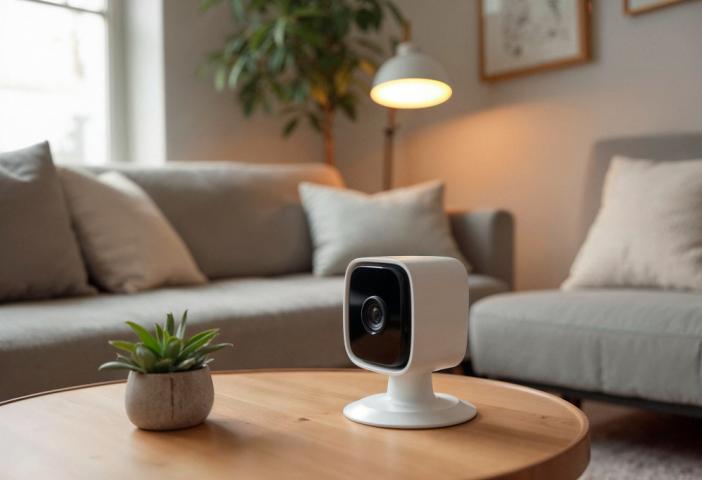
Families with young children or elderly parents often install a camera in the study or secondary bedroom for monitoring purposes — not just security. A simple indoor CCTV camera with two-way audio lets you check in remotely while at work.
Keep these cameras pointed at common areas of the room (desk, door) rather than sleeping areas to respect privacy and comply with local norms.
7. Garage or Car Porch (Landed Homes)
For landed property owners in Singapore, the garage and car porch are high-priority zones. Vehicle theft and tampering with cars in porch areas have been reported in residential estates. A wide-angle outdoor-rated camera covering the driveway and garage door is essential.
Use weatherproof cameras rated IP65 or higher
Consider motion-triggered recording to conserve storage
A second camera covering the garden gate provides perimeter coverage
Camera Placement Rules Every Singapore Homeowner Should Know
Singapore's Personal Data Protection Commission (PDPC) has published guidelines on CCTV usage in residential settings. Key points include:
Do not capture footage of public corridors in HDB blocks beyond your immediate entryway
Avoid pointing cameras at neighbouring units, windows, or shared facilities
If footage captures third parties, ensure it is stored securely and not shared without consent
These rules are not just legal formalities — they prevent neighbour disputes and protect you from complaints filed with the HDB or PDPC.
How Many Cameras Does a Singapore Home Actually Need?
Home Type | Recommended Camera Count | Priority Locations
|
|---|---|---|
2–3 Room HDB Flat | 2–3 cameras | Main door, living room, back door |
4–5 Room HDB Flat | 3–4 cameras | Main door, hallway, living room, kitchen |
Condominium Unit | 3–5 cameras | Main door, living room, hallway, balcony door |
Landed Property | 6–10 cameras | All entry points, garage, garden perimeter, hallways |
Wired vs. Wireless: Which Works Better Room by Room?
Wireless cameras offer flexibility — ideal for renters or homeowners who cannot run cables through walls. Wired systems provide more reliable footage quality and are harder to tamper with. For most Singapore condominiums and HDB flats, a hybrid approach works well: wired cameras at fixed points like the main door and hallway, wireless units for secondary rooms.
Battery-operated wireless cameras work in rooms with limited power access, but require regular recharging — factor that into your maintenance routine.
Getting the Installation Right the First Time
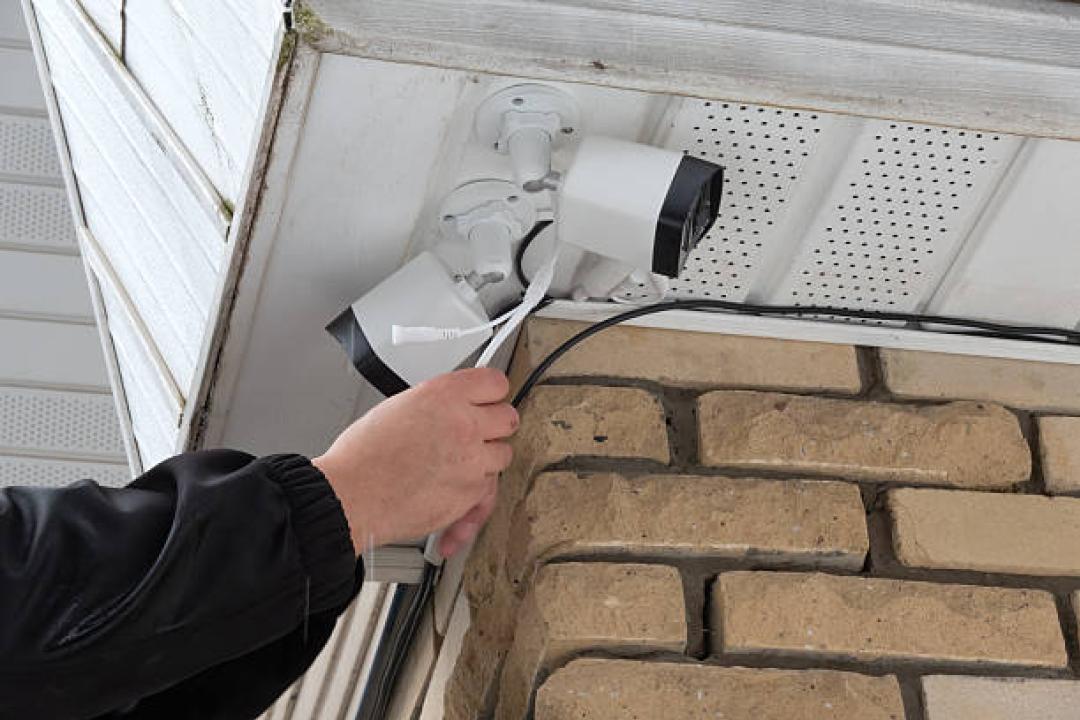
Poor cable management, wrong mounting angles, and incorrect focal lengths are the most common installation mistakes seen in Singapore homes. A professional installer will assess wall materials (concrete is common in HDB flats), ensure correct conduit routing, and configure remote viewing so you can monitor your home from anywhere via mobile app.
If you want a system that covers every room intelligently without guesswork, Kirin CCTV provides tailored home CCTV installation services across Singapore — with site assessments to ensure every camera is positioned for maximum coverage and compliance.
Frequently Asked Questions
Where should I place CCTV cameras in my HDB flat?
The most effective positions in an HDB flat are the main entrance door, living room, internal hallway, and kitchen back door if one exists. These locations cover all entry points and high-traffic areas. Avoid pointing cameras at neighbouring units or public corridors beyond your immediate landing to comply with HDB and PDPC guidelines.
Is it legal to install CCTV inside my home in Singapore?
Yes, it is legal to install CCTV inside your private home in Singapore. However, cameras must not capture footage of neighbouring units, public spaces, or shared facilities without justification. The PDPC recommends securing stored footage and limiting recording to areas within your own property boundaries.
How many CCTV cameras do I need for a 4-room HDB flat?
A 4-room HDB flat typically needs 3 to 4 cameras for comprehensive coverage. Prioritise the main entrance, living room, hallway corridor, and kitchen or back door. This configuration covers all primary entry points and internal movement without over-installing cameras in low-risk areas.
Can I install CCTV in my condo unit without approval?
For cameras installed entirely within your own unit, no approval is generally required. If you plan to mount a camera on the external wall or corridor outside your unit, check with your condominium's management corporation (MCST) first, as external installations may require written consent or compliance with building guidelines.
What is the best camera type for indoor home use in Singapore?
For indoor use, a compact dome or bullet camera with 1080p resolution, wide-angle lens, and infrared night vision performs well in Singapore homes. Pan-tilt cameras suit larger open-plan living spaces. Choose a model with local cloud or NVR storage to keep footage accessible and secure.
Should I get wired or wireless CCTV for my home?
Wired CCTV offers more stable footage and is harder to interfere with — ideal for permanent installations at main entry points. Wireless cameras provide flexibility for secondary rooms or rentals. A hybrid setup, combining both types based on room location and access, delivers the best balance of reliability and convenience.