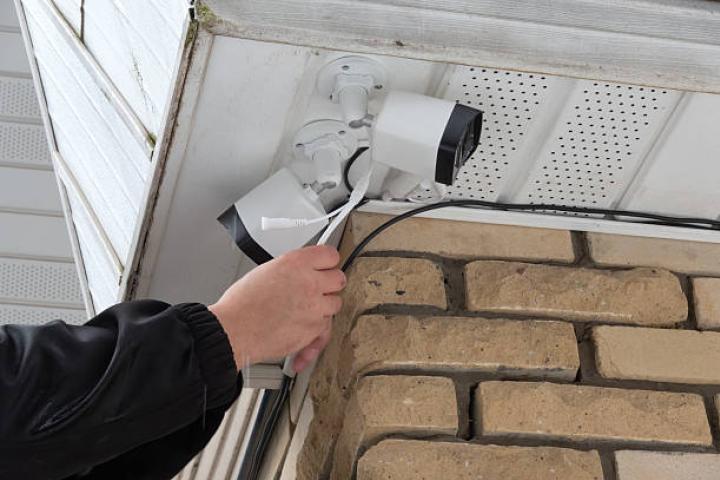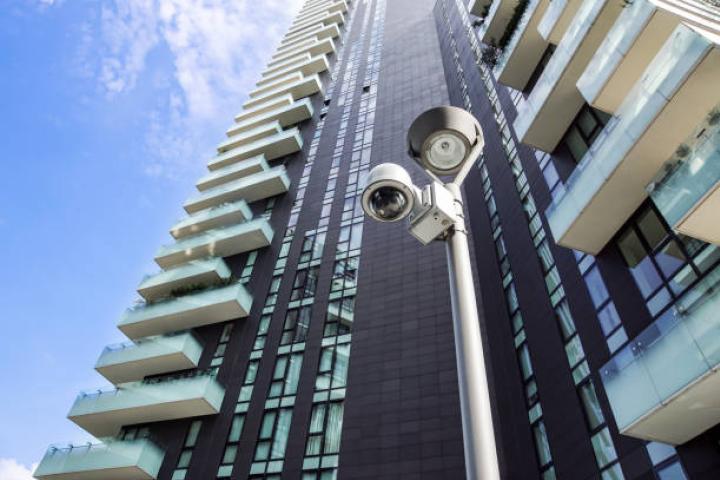
Talking about something that inflicts more impact to your day-day 9 to 5 life than the office coffee machine, let us discuss the office CCTV installation Dubai workplaces. Yea, those scouring black domes peering over your shoulder as you share that admittedly-harmless-meme to your coworker, or yawn, during your 3rd Zoom event of the day. Even though surveillance cameras may come in handy on maintaining safety in work places, it definitely casts a big question mark on the issue of employee privacy.
However, you need not worry about Corporate policy fatigue in this blog. We are going to demystify everything you should know about cameras at work, your right as a worker, and the point where safety and spying actually should be.
Why Do Employers in Dubai Install CCTV Cameras?
1. Safety First- or At Least So They Said
Workplace safety is usually enhanced by installing CCTV cameras. Be it keeping track of exits and entries, preventing theft or averted liability in case of any accidents, these mini lenses are the dear of every office manager and the HR department everywhere.
2. They had Revenue on their Radar The productiveness was on their Radar
To be frank some bosses feel that individuals will do a better job when under careful eyes. Long breaks or these marathon YouTube sessions that led to somehow starting with how to tie a tie video and then to baby goats doing yoga could be discouraged through CCTV.
3. Compliance to Law in some Industries
Surveillance is not only a luxury in the industries such as finance, retail, or logistics, it may even be a matter of law. The CCTV recordings may play important roles during audit, investigations or regulatory purposes particularly in Dubai where excellence is the order of the day.
But Wait – What About Your Privacy?
1. Consent is not Optional
In Dubai there are laws that dictate that employers should notify their workers in case they are being monitored. That is, in case you have been working in front of a CCTV camera unconsciously, that will be the red light alert, not the corporate one.
2. Right Places Only of Cameras
It is also against the law where cameras in the washing rooms, changing rooms or wherever you need to have privacy. Which means that your employer is walking into some serious legal quicksand in case they are.
3. To whom is the Footage Accessible?
Protection of data is equally crucial as an image itself. CCTV recordings are supposed to be accessed by authorized personalities. It is not acceptable that the footage is shared in the office WhatsApp chat in a series of funny incidents of the day.
The Legal Landscape in Dubai
1. The Data Protection Laws of UAE Are Surveilling as well
The UAE adopted Personal Data Protection Law in 2021, which extends to work surveillance as well. It underlines acceptance, specific intent and fair usage of data.
2. DIFC Has Its Rules
In case your office is located at DIFC, a different data protection regime is enforced. In this case, employers have to demonstrate possible causes of surveillance and make clear privacy statements.
3. Violations Result In Penalties
Misuse of CCTV may lead to penalization of businesses, yes in Dubai as well. Such laws are aimed to secure the interests of a company and rights of employees establishing a balance.
Striking the Right Balance
1. Transparency is the answer.
Believe me, boss , as an employer reading this note, remember: it can do a lot of good to have an open policy towards employees when it comes to CCTVs.
2. Unambiguous Policies are Magic
Some written and accessible CCTV policy ensures that there are no misunderstandings. The employees need to be aware of the reasons why surveillance is applied, where to place cameras and in what period the videos are stored.
3. They are known as Trust + Tech = Peace of Mind.
There is no doubt that you can have security without prejudicing privacy. The secret is to enjoy surveillance technology and be responsible and ethical. Such as chocolate and chilli - a nice combination when prepared in the right way.
CCTV in Remote Work and Home Offices
1. Work at Home, But The Eyes Are Watching You?
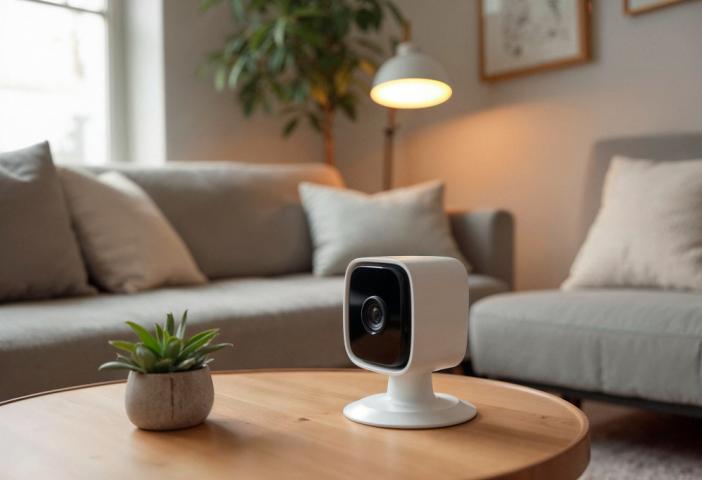
Working remotely does not imply that you are out of sight. Home offices have also started installing cameras by some companies. And this introduces a new actor of residential CCTV installation in Dubai.
2. Home is not Another Office
Your employer should obtain your consent even when the system is supplied by him. Lines, and living rooms most certainly are in area of the “personal”.
3. Who owns the footage in your home?
Video recordings taken in residential arrangements can remain a property of the company, but rights to access them should be well-regulated. No one is going to be pleased to see his family dinners on some internal server along with other quarterly sales reports.
How You Can Protect Your Privacy
1. Look at the Fine print
Always study business policies and contracts including the surveillance clauses. When it does not appear or sound right, then it is likely not.
2. Get Curious (Ask Questions, mind you, but nicely)
In case you cannot understand whether the cameras are legal or where they are installed, consult your HR team. It is your right to know.
3. Professionalize Complaint
Do you have the feeling your privacy is under attack? Bring the matter up in a proper manner via proper channels. Not every whistleblowing implies smoke bombs.
CCTV Installation Best Practices for Businesses
1. Between Kept it Legal and Logical
Get experienced contractors to install CCTV in Dubai. They will get to know about the rules on placement, data regulations, and avoid finding your business into trouble.
2. Don Craft Big Brother
Surveil the places which really need surveillance, not all corridors and desks. Monitoring ought to be reassuring not crushing.
3. Routine Audits and Feedback of Staffs
Include CCTV policies in you internal audits. And go ahead and ask your employees how they feel with it, what a shocking idea!
A Quick Recap
- The business of CCTV in Dubai is flourishing well with its high installation rate but the rights of the employees cannot be avoided in the process.
- Safety and security are not the only factors that are important as consent, purpose, and privacy are.
- The new problem for remote workers emerging as a result of installing residential CCTV in Dubai will be consent-related and access-related.
- There exist clear legal systems that ensure protection of employees in UAE and the awareness is the main issue.By being open and respectful, employers are able (and even obliged) to build an equilibrium between technology and trus
- Final Thoughts
In the end of the day, cameras can not take the place of trust. On the one hand, it is obvious that CCTV installation would be beneficial as far as workplaces safety is concerned; nevertheless, there is no reason to compromise personal dignity. It is necessary that employers as well as employees should be well-informed, open in their communication skills and hold a thin rope between security and spying with a touch of common sense and a full-filled amount of respect.
No one actually wants to be starring in a security reel called, Caught Napping at 3 PM -Again.