Choosing a residential fire sprinkler system is not simply a matter of selecting a product and arranging an installation. Every home has its own layout, construction, water supply and practical requirements, so the most suitable solution can vary considerably from one property to another.
For homeowners considering fire protection, understanding the factors that influence the choice of system can make the planning process easier and help them ask the right questions before work begins.
The Size and Layout of the Property
The structure of a home is one of the first things to consider.
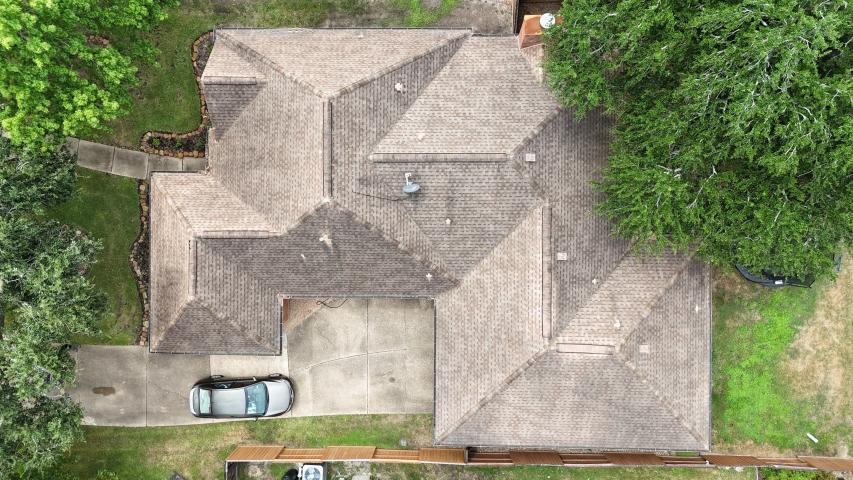
A compact flat, a two-storey terraced house and a large detached property can have very different requirements. The number of rooms, floors, corridors, staircases and open-plan areas can all affect how sprinkler protection is planned.
An extension or loft conversion may also change the layout of an existing property. If the home has been altered over time, the sprinkler design should reflect the current arrangement rather than simply the original building plans.
The Type of Construction
The construction of the property can also influence the installation approach.
Ceilings, walls, floors and existing service routes may determine where pipework can be positioned and how sprinkler heads can be incorporated. Older homes may present different challenges from newly constructed properties, particularly where access to ceilings or wall cavities is limited.
This does not necessarily mean that one type of property is unsuitable for sprinkler protection. Instead, it highlights why an individual assessment is important before deciding on a system.
The Available Water Supply
Water supply is another key consideration.
A residential sprinkler system needs an appropriate source of water, so the available supply and property-specific conditions need to be assessed during the design stage. Depending on the circumstances, additional equipment or a particular system arrangement may be required.
Homeowners should therefore avoid assuming that an existing water supply will automatically be suitable for every sprinkler system.
A professional assessment can establish what is practical for the property and help determine an appropriate solution.
The Areas Requiring Protection
Different areas of a home can have different fire-safety considerations.
Kitchens, living spaces, bedrooms, utility rooms and other areas may need to be considered when developing the system design. Open-plan areas can also require careful planning because several parts of the home may be connected without traditional walls separating them.
The positioning of sprinkler heads should therefore be based on the property's actual layout rather than simply installing them in convenient locations.
This is an important part of professional Sprinkler installation.
New Build or Existing Property?
The stage of the building project can make a significant difference.
With a new home, sprinkler pipework can potentially be considered alongside other building services from an early stage. This can make it easier to coordinate the installation with ceilings, walls, plumbing and electrical systems.
An existing home may require more careful planning to minimise disruption. Pipework may need to be routed around existing structures and finishes, particularly where the homeowner wants to preserve the appearance of the rooms.
If a property is being renovated or extended, discussing sprinkler protection early in the project can help avoid unnecessary complications later.
Appearance and Interior Design
For some homeowners, the visual impact of a sprinkler system is an important consideration.
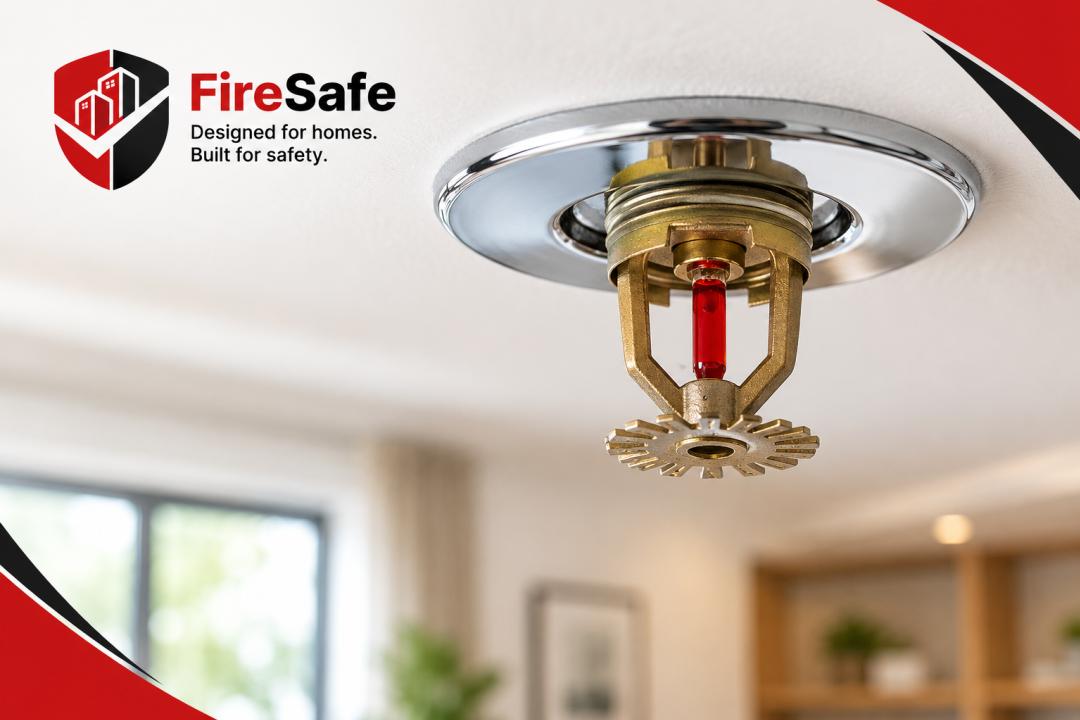
Sprinkler heads and pipework need to perform their intended function, but the installation can also be planned with the property's interior in mind. Depending on the structure, components may be positioned or routed in ways that minimise their visual impact.
This can be particularly relevant in existing homes where the homeowner has already invested in the interior design.
A good residential sprinkler solution should take practical and aesthetic considerations into account wherever possible.
The Property's Location
Location can also influence the practical considerations involved in an installation.
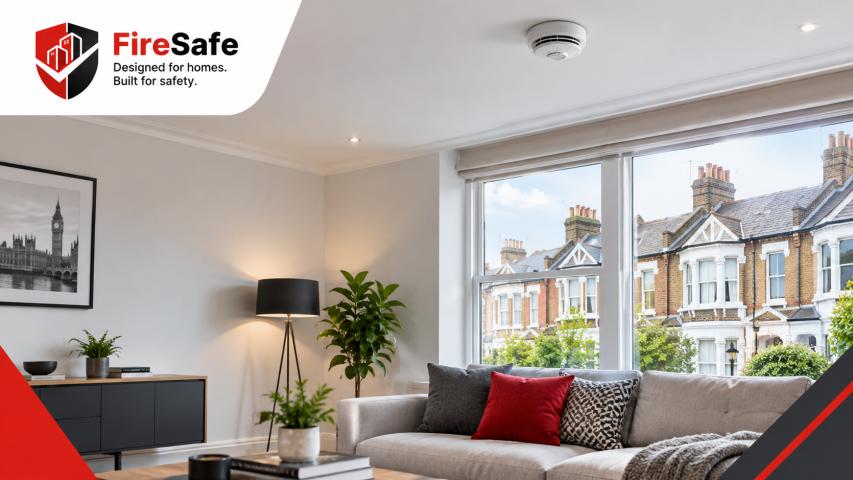
For example, homeowners looking for Sprinkler installation in London may be dealing with a wide range of property types, from traditional terraced houses and converted properties to modern apartments and new-build homes.
Access, existing building services and the characteristics of the property can all influence how an installation is approached.
The important point is that location should not be considered separately from the property itself. The actual building remains central to choosing a suitable system.
Installation and Ongoing Maintenance
Homeowners should also think beyond the initial installation.
A sprinkler system needs to remain properly maintained so that it can continue to perform its intended role. Before choosing an installer, it is worth asking about testing, maintenance requirements and what support is available after the work has been completed.
The experience of the installer is another important consideration. FireSafe Residential can help homeowners understand the different factors involved in planning residential sprinkler protection and how a system can be incorporated into their property.
Choosing a System Based on the Home
There is no universal residential sprinkler solution that will suit every property in exactly the same way.
The home's size and layout, construction, water supply, areas requiring protection, stage of development, appearance and location can all influence the final design. Maintenance and installation requirements should also form part of the decision.
For homeowners exploring firesafe sprinkler systems, starting with a professional assessment can provide a clearer understanding of what their property needs.
Ultimately, choosing a residential sprinkler system should be about finding an appropriately designed solution for the home rather than selecting a system based on price or appearance alone. Careful planning can help ensure that fire protection fits naturally into the property while supporting a wider approach to household safety.
Original Source : https://insidetechie.blog/what-makes-a-home-truly-fire-safe-understanding-the-role-of-sprinkler-installations/