Customer onboarding requires businesses to collect and verify accurate customer information before providing products or services. Along with identity and compliance checks, organizations may need to confirm a customer’s residential or business address.
An address verification system helps businesses automate address checks during the onboarding process. It can help identify incomplete, inconsistent, or potentially inaccurate address information while reducing the need for repetitive manual reviews.
As more businesses move their onboarding processes online, integrating address verification into a digital customer journey can help create a more efficient and consistent verification experience.
What Is an Address Verification System?
An address verification system is a technology-based system that helps businesses verify address information provided by customers.
Depending on the verification method, the system may check customer-provided information against supporting documents, available data sources, or other verification information.
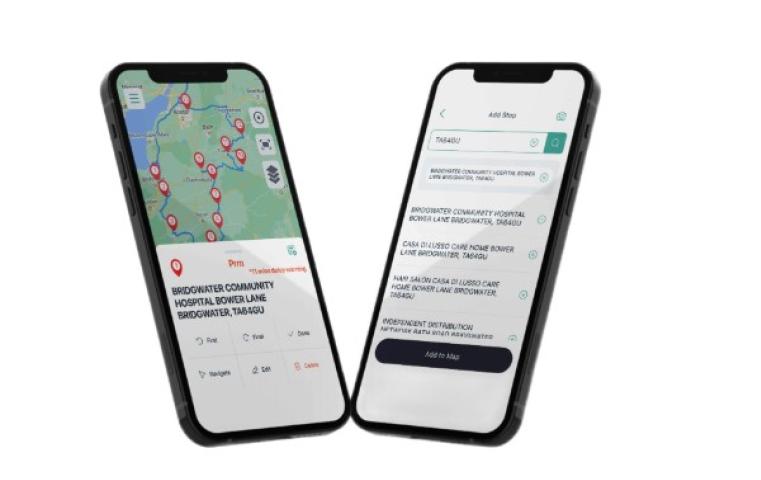
Businesses can integrate an address verification system into their existing customer onboarding workflows through an API, software platform, or other integration methods. This allows address checks to take place as part of the customer's application or registration process.
Why Address Verification Matters in Customer Onboarding
Accurate customer information is an important part of effective onboarding. If an address is incomplete, inconsistent, or cannot be verified, businesses may need to request additional information from the customer.
This can create delays in the onboarding process.
An address verification system can help businesses:
Verify residential and business addresses
Identify incomplete or inconsistent information
Reduce repetitive manual checks
Improve customer data accuracy
Support KYC and customer due diligence workflows
Reduce unnecessary onboarding delays
Create a smoother digital customer experience
For businesses processing a large number of applications, automated address verification can also help make the onboarding process more scalable.
Address Verification System for Digital Customer Onboarding
Digital customer onboarding allows customers to register for products and services remotely. However, businesses still need to collect and verify important information during this process.
An address verification system can be integrated into a customer onboarding workflow so that address checks take place alongside other verification steps.
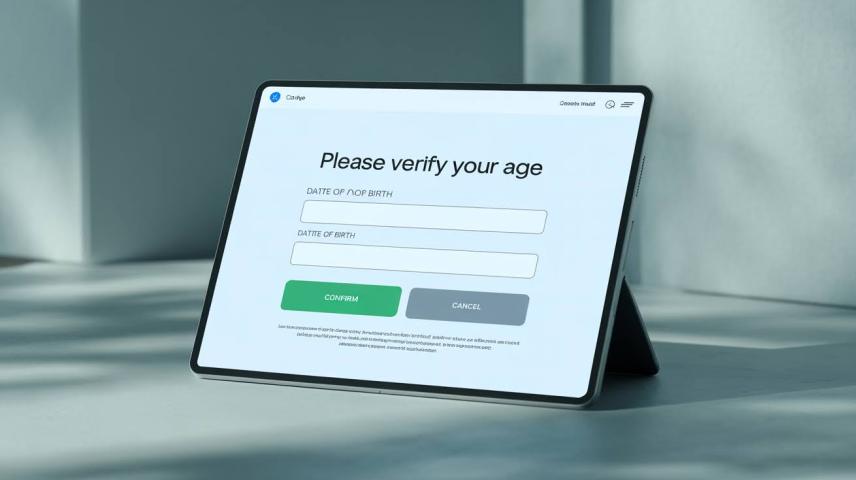
For example, a fintech company onboarding a new customer may collect their name, date of birth, identity document, and address. The address verification step can be incorporated into the same onboarding flow instead of requiring a separate manual process.
This can help businesses verify customer information while keeping the onboarding journey more connected.
How an Address Verification System Works
The exact process depends on the technology and verification method used by the business, but a typical workflow can include several steps.
1. Customer Provides Address Information
The customer enters their residential or business address during account registration or onboarding.
2. Address Information Is Submitted
The information is sent to the address verification system through the business's application, website, or integrated onboarding platform.
3. Verification Checks Are Performed
The system performs the relevant checks based on the configured verification method. Where proof of address is required, supporting documents may also be analyzed.
4. Verification Result Is Returned
The result is returned to the business's workflow, allowing the organization to continue onboarding, request additional information, or route the application for review.
Address Verification Through Proof-of-Address Documents
Some customer onboarding processes require customers to provide proof of address.
Common documents can include:
Bank statements
Utility bills
Government correspondence
Tax documents
Other accepted proof-of-address documents
An address verification system can help automate document-based address checks by extracting relevant information and comparing it with the customer information submitted during onboarding.
This can reduce the amount of repetitive work required from compliance and onboarding teams.
Address Verification API for Customer Onboarding
An address verification API allows businesses to connect address verification capabilities with their existing websites, applications, and onboarding systems.
Instead of sending customers to a separate verification platform, businesses can incorporate address checks directly into their existing customer journey.
An API-based address verification solution can also support workflows where address verification is combined with identity verification, document verification, biometric checks, and other compliance processes.
This can make it easier for businesses to manage multiple verification steps within one customer onboarding workflow.
Benefits of an Address Verification System
Faster Verification
Automation can reduce the time required to perform repetitive address checks and review supporting information.
Improved Data Accuracy
Address verification can help identify incomplete or inconsistent information before customer records are finalized.
Reduced Manual Work
Automating routine checks allows onboarding and compliance teams to focus on cases requiring additional review.
Smoother Customer Onboarding
Integrating verification into the existing onboarding journey can reduce unnecessary steps for customers.
Scalable Verification
An automated system can support businesses processing customer applications across multiple markets and at higher volumes.
Industries Using Address Verification for Onboarding
Address verification can be useful across industries where businesses need reliable customer location information.
Common use cases include:
Banking
Fintech
Insurance
Lending
E-commerce
Telecommunications
Marketplaces
Financial services
For financial institutions and fintech companies, address verification can form part of broader KYC and customer due diligence workflows.
Choosing an Address Verification System
Businesses should consider several factors when selecting an address verification system.
These may include:
Geographic coverage
Verification methods
Proof-of-address document support
API integration
Processing speed
Scalability
Security requirements
Compatibility with existing onboarding systems
Businesses should also consider whether the system can work alongside other identity and compliance checks.
Conclusion
An address verification system can help businesses verify customer addresses as part of a modern customer onboarding process. By automating address checks and integrating them into digital workflows, organizations can reduce repetitive manual work, improve customer data accuracy, and streamline onboarding.
Combining address verification with identity, document, biometric, and compliance checks can create a more connected customer onboarding experience for businesses operating digital services.