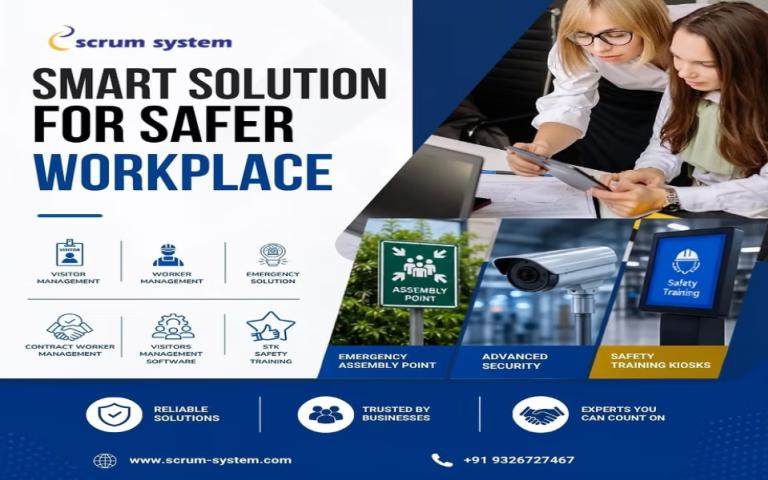
A modern workplace brings together people with different responsibilities, schedules, and reasons for being on the premises. Employees may attend meetings, visitors may arrive for appointments, and service teams may carry out routine tasks. When these activities are handled through simple and consistent processes, the workplace can become easier to manage.
Why Everyday Organization Matters
Workplace organization is not just about maintaining a clean physical environment. It also involves making information, responsibilities, and procedures easy to understand.
A few useful practices include:
- Keeping records organized
- Communicating responsibilities clearly
- Providing simple instructions
- Maintaining accessible workplace information
- Reviewing routine procedures
- Encouraging employees to communicate issues
- Keeping common areas easy to navigate
These habits can help reduce unnecessary confusion during busy working hours.
Creating a Clear Visitor Process
Visitors can have many different reasons for entering a workplace. They might attend meetings, deliver materials, participate in interviews, or provide services. Each situation may be different, but the basic arrival process can remain simple and consistent.
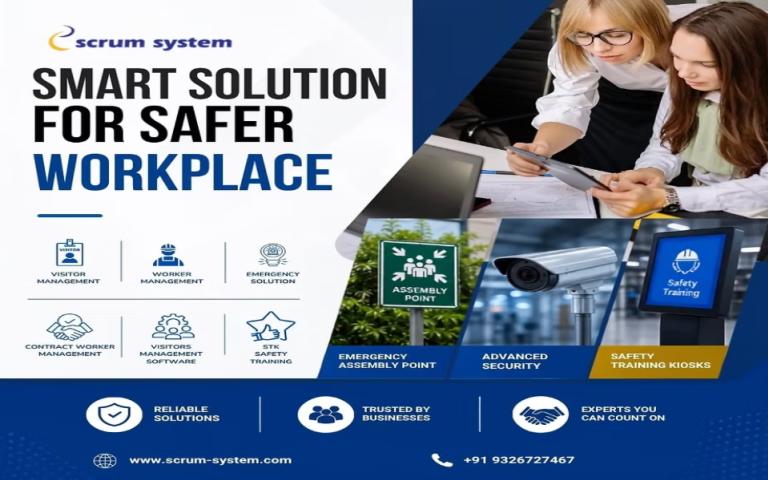
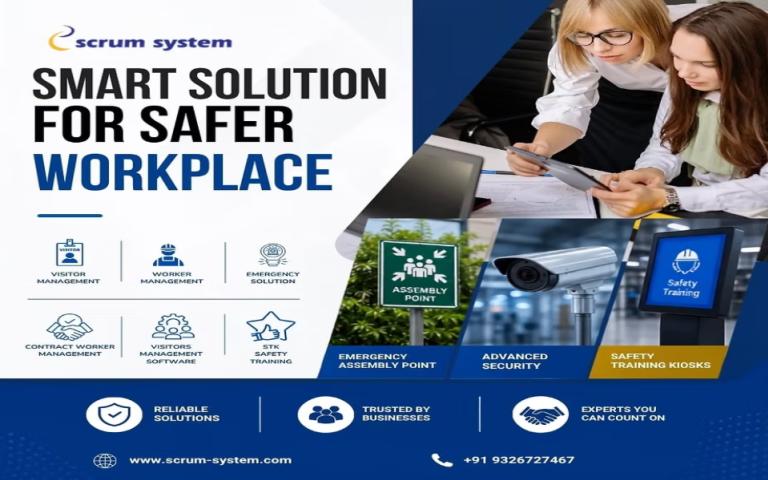
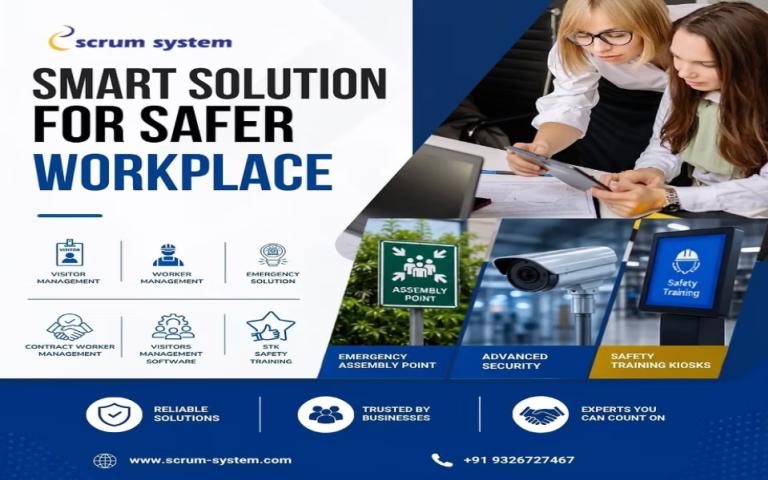
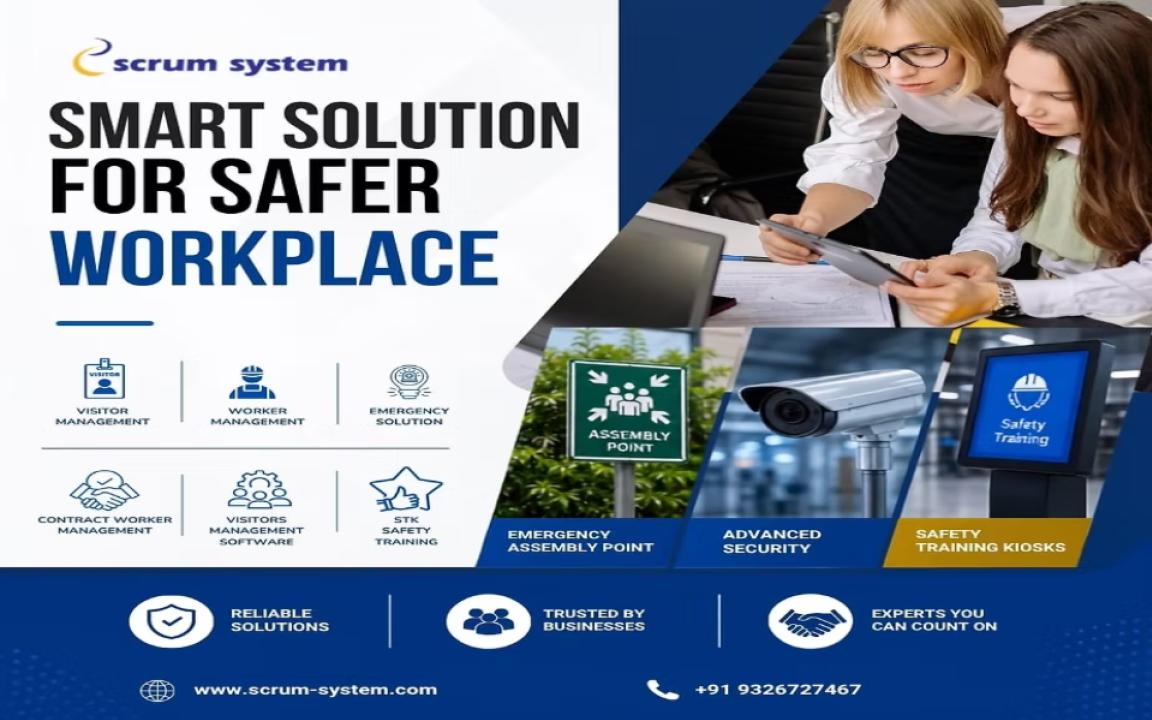
A visitor management system can help organizations maintain an organized approach to visitor registration and routine entry activities.
A welcoming process should also consider the visitor's overall experience. Clear signage, helpful communication, and an appropriate waiting area can make it easier for guests to understand what they need to do.
Supporting Better Workplace Administration
Administrative activities often involve maintaining information, coordinating people, and responding to routine requests. When these activities follow clear procedures, employees can spend less time searching for information or clarifying basic responsibilities.
Simple organization can help with:
- Maintaining accurate records
- Sharing relevant information
- Coordinating different departments
- Tracking routine activities
- Reviewing previous information when required
The purpose of these practices is to make everyday work more manageable.
Reviewing Processes Regularly
Workplace requirements can change over time. A procedure that worked well previously may need adjustments as teams, schedules, or daily activities change.
Organizations can periodically ask:
- Is the current process easy to follow?
- Do employees understand their responsibilities?
- Is important information easy to find?
- Are visitors receiving clear instructions?
- Can any unnecessary steps be removed?
Regular reviews can encourage practical improvements without making workplace procedures unnecessarily complicated.
Building a Comfortable Working Environment
An organized workplace benefits everyone who uses it. Employees can understand their responsibilities more clearly, while visitors can navigate the environment with greater confidence.
Ultimately, effective organization comes from small and consistent practices. Clear communication, accessible information, straightforward procedures, and regular reviews can work together to create a workplace that is easier to understand, easier to navigate, and more comfortable for everyone.