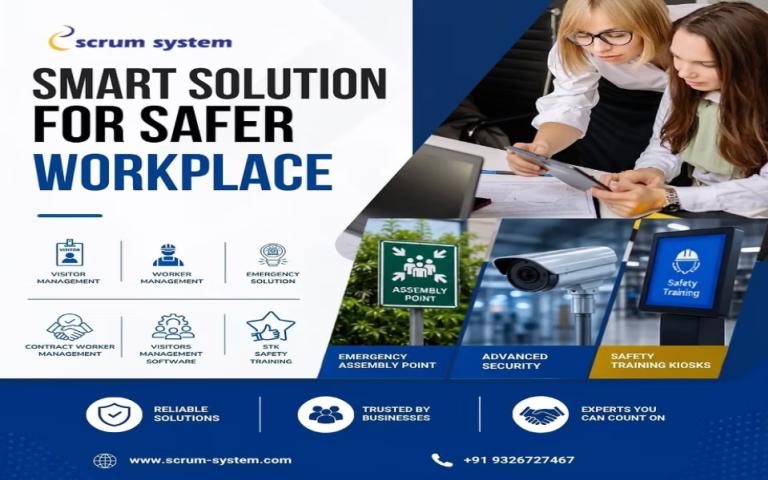
Workplace safety is not limited to emergency situations. It is also influenced by the small habits and routines followed every day. Clear communication, organized information, and awareness of workplace activities can help create an environment where people understand their responsibilities and feel more prepared.
Why Everyday Safety Matters
A safe workplace begins with awareness. Employees should know the basic procedures that apply to their surroundings and understand how to respond when something unusual occurs.
Some useful workplace practices include:
- Keeping walkways and exits clear
- Communicating safety instructions clearly
- Maintaining important records
- Conducting regular awareness activities
- Reporting hazards promptly
- Keeping emergency information accessible
- Reviewing workplace procedures periodically
These simple measures can support a more organized approach to everyday safety.
Managing People Within the Workplace
Workplaces often have a steady flow of employees, guests, service personnel, and other individuals. Understanding who is present can be useful for general organization as well as emergency preparedness.
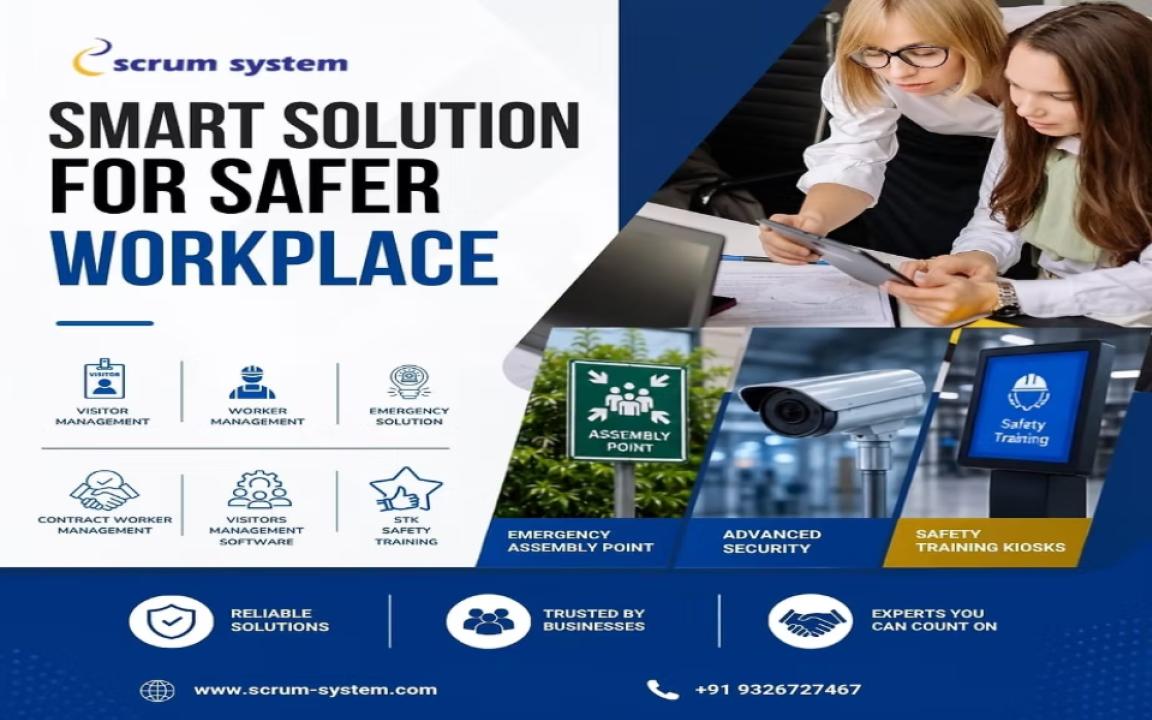
A visitor management system can help maintain a structured process for recording visitor activity and supporting routine entry procedures.
A consistent process can also make it easier for employees to understand how visitors should be received, where they should wait, and whom they should contact when assistance is required.
Supporting Emergency Preparedness
Emergency preparedness requires more than having written instructions. People should also be familiar with the actions they may need to take during an unexpected event.
A clearly identified smart assembly point can provide a designated location where people can gather after leaving an affected area.
Regular drills and awareness sessions can help employees become more familiar with evacuation routes, gathering procedures, and their individual responsibilities.
Simple Ways to Improve Awareness
Organizations can encourage better safety awareness through practical activities such as:
- Sharing short safety reminders
- Conducting periodic emergency drills
- Keeping signs and instructions visible
- Discussing common workplace hazards
- Reviewing procedures after drills
- Encouraging employees to communicate concerns
These activities do not need to be complicated. Consistency is often more important than complexity.
Building a Safety-Minded Environment
A safe workplace develops through cooperation between people, processes, and everyday habits. Employees need clear information, visitors need understandable procedures, and emergency arrangements should be familiar before an incident occurs.
Regularly reviewing workplace practices can help identify areas that may need improvement. Over time, these small steps can contribute to a more organized environment where people are better prepared, informed, and aware of their surroundings.